Kenyan presidential politics is a
game of coalition arithmetic, elite bargains and ethnic mobilisation—often
conducted at the edge of institutional stability.
President William Ruto’s emerging
reelection strategy for 2027 fits squarely within this tradition, but it also
carries risks that may exceed his past political calculations. In fact, odds
are it won’t succeed.
The oft-repeated phrase ‘41 against
1,’ attributed to the 2007 election cycle, captured a belief—never
substantiated by concrete evidence—that Raila Odinga sought to mobilise Kenya’s
non-Kikuyu communities against Kikuyu political dominance. Ironically, Ruto
himself was Raila’s key ally at the time.
Regardless of whether such a strategy
existed, the 2007 election nearly plunged the country into a civil war. President
Mwai Kibaki’s hurried swearing-in triggered widespread violence, forcing
international intervention and the formation of a coalition government with
Raila to avert civil war.
Ruto’s career since then has been
defined by tactical realignment rather than permanence. He abandoned the former
ODM leader to form an alliance with Uhuru Kenyatta, winning the disputed 2013
election.
That partnership, too, eventually collapsed. After the 2017 election,
Uhuru’s political détente with Raila—the famous 2018 handshake—effectively
sidelined Ruto, despite his continued formal role as Deputy President. Uhuru
later endorsed Raila to succeed him in 2022.
Against all odds, Ruto prevailed.
His victory hinged on an extraordinary political maneuver: mobilising Kikuyu
and broader Mt Kenya voters. Central to that success was his running mate, Rigathi
Gachagua, who cast himself as the uncompromising defender of Kikuyu interests.
That alliance unraveled with
startling speed. Less than a year into office, Ruto engineered his deputy’s
impeachment, assuming Gachagua’s political oblivion would follow.
Instead,
Gachagua emerged emboldened, consolidating Kikuyu disaffection and becoming a
persistent thorn in the President’s side. By most credible accounts, the former
Mathira MP has since succeeded in turning a significant majority of Kikuyu
voters against Ruto.
It is this reversal that appears to
have pushed the head of state toward a modified version of the old ‘41 against
1’ logic. The new approach is subtler. Rather than openly mobilising all other
communities against the Kikuyus, Ruto appears intent on politically isolating Kikuyu’s
influence while simultaneously fragmenting it.
By courting select Kikuyu politicians
and some ‘money speaks louder’ bloggers, he seeks to retain symbolic
representation and pockets of support even as Mt Kenya, as a bloc, drifts away.
This strategy seems to rest on three
pillars. First is the attempted neutralisation—or co-optation—of Raila’s base
through the weakening of the ODM.
Talk of a merger or electoral pact between
ODM and Ruto’s UDA would once have seemed solidly implausible, but Kenyan
politics has repeatedly shown that yesterday’s rivals can become today’s
allies. Even partial success here would significantly blunt opposition
momentum.
Second is the deliberate
fragmentation of the opposition. Kenyan elections are rarely won outright; they
are often lost through division. A splintered opposition—ethnic, regional, or
personal—has historically favoured incumbents.
You can almost cut with a knife
Ruto and his foot soldiers’ glee at the prospect of the opposition fielding
more than one serious candidate which will no doubt make it very easy for him
to sneak back to State House.
Third, and most controversially,
critics believe Ruto may lean on state machinery to tilt the electoral field in
2027. Given Kenya’s electoral history, such fears resonate even in the absence
of definitive proof.
There is only one happening that would put these concerns
to rest, and that is the opposition uniting behind one candidate. That happens,
the President may start packing even long before the election.
Will this gamble, a modified 40 vs 1
strategy succeed? That is far from certain. Unlike 2022, Ruto now faces a
consolidated, emotionally mobilised Kikuyu opposition led by a figure deeply
versed in both grassroots politics and elite power. That Gachagua and Uhuru may
once again reunite makes the prospect even more dead on arrival.
Attempting to marginalise Mt Kenya
while selectively harvesting its support would more likely backfire than
deliver the hoped-for outcome.
There is no strategy one can
publicly note that can overcome Ruto’s challenges to avoid being ‘Wantam’. But
that’s not to say defeating him will be a walk in the park.

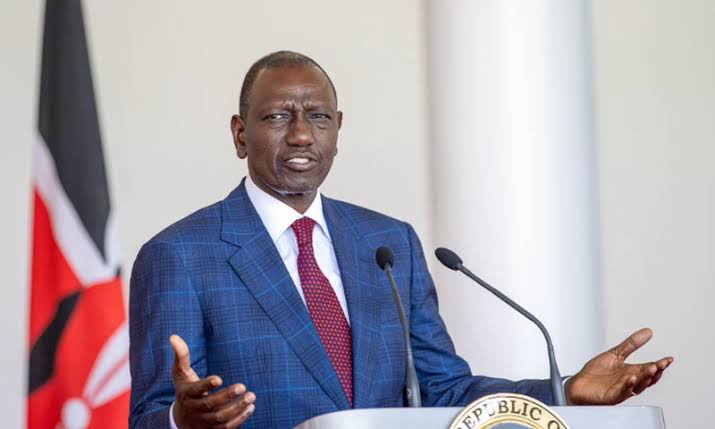
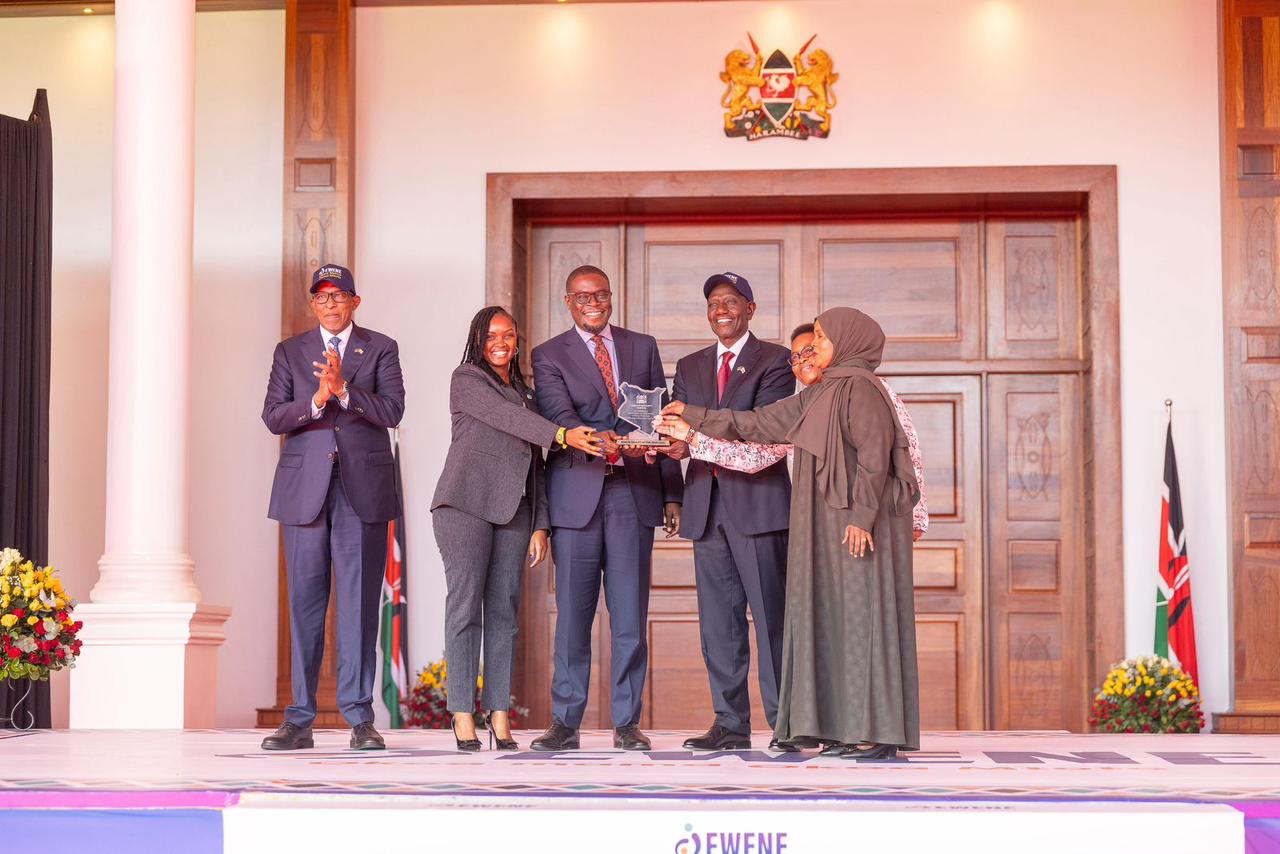
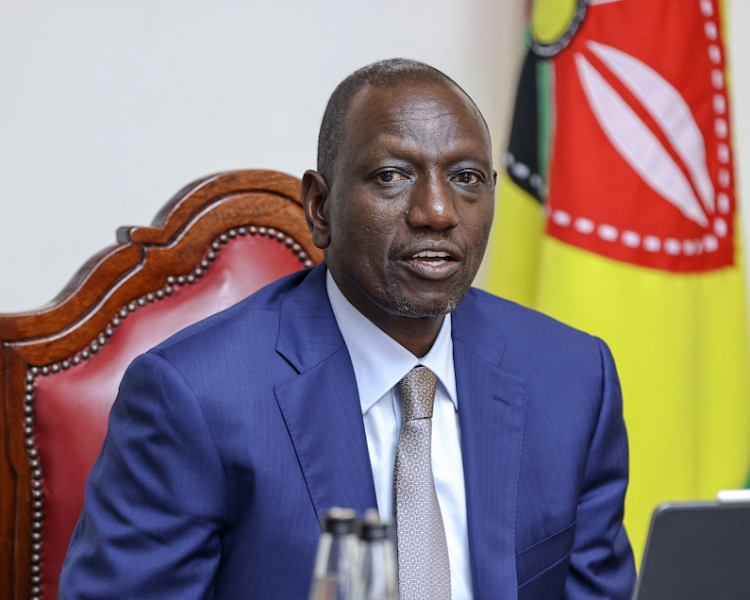 President William Ruto /FILE