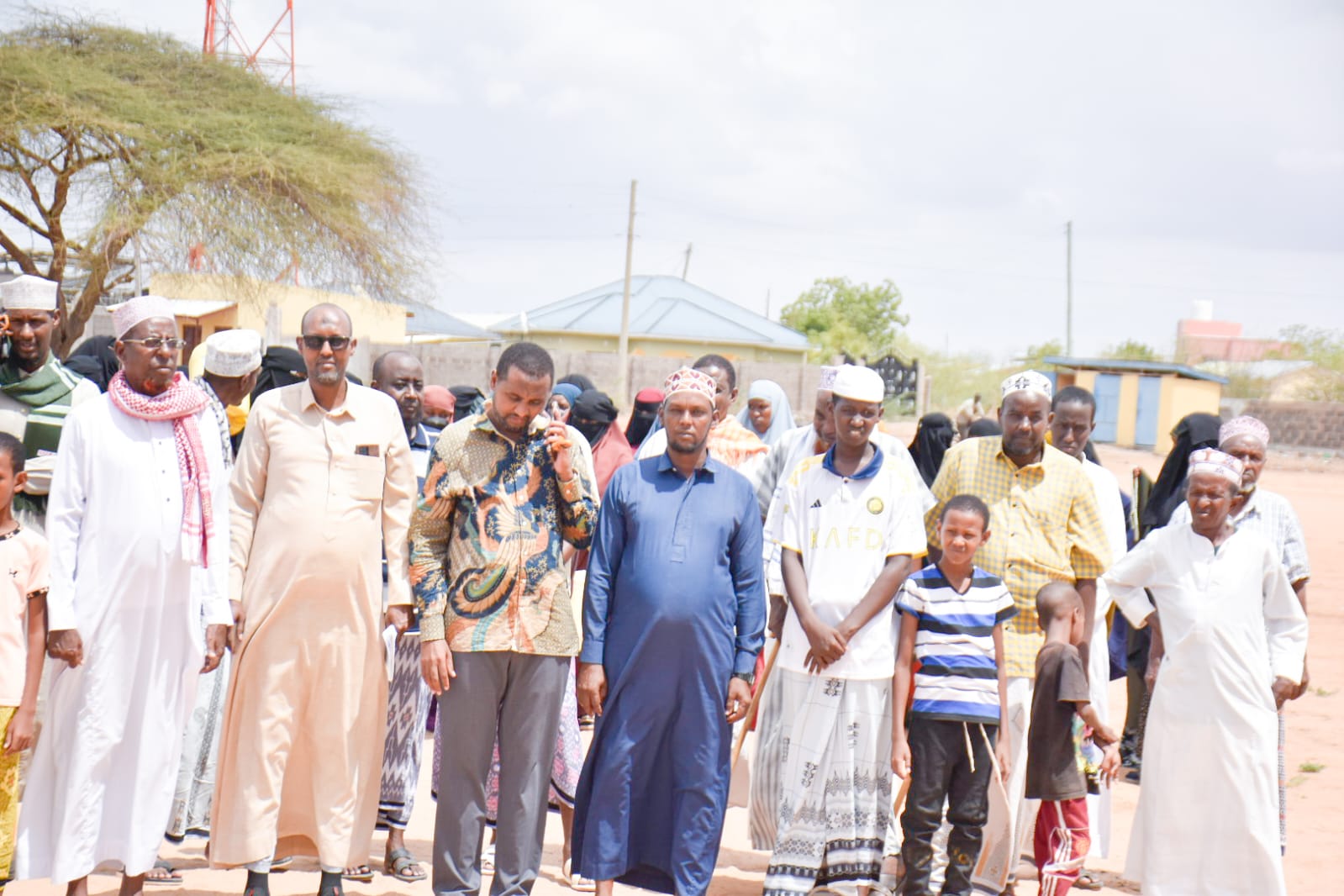
Garissa residents urge for more boreholes as water shortage bites
The water shortage has affected the smooth running of schools and hospitals
8mon agoSTEPHEN ASTARIKONorth-eastern
For years, women in Marsabit village measured their days in queues, not hours


Audio By Vocalize
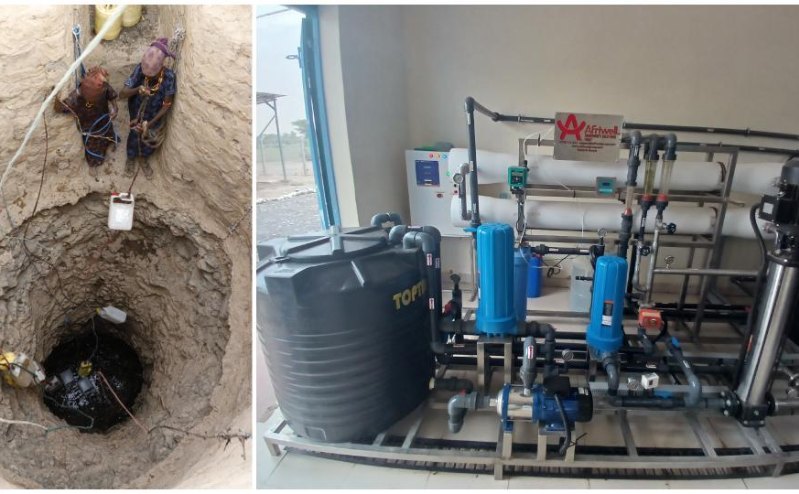
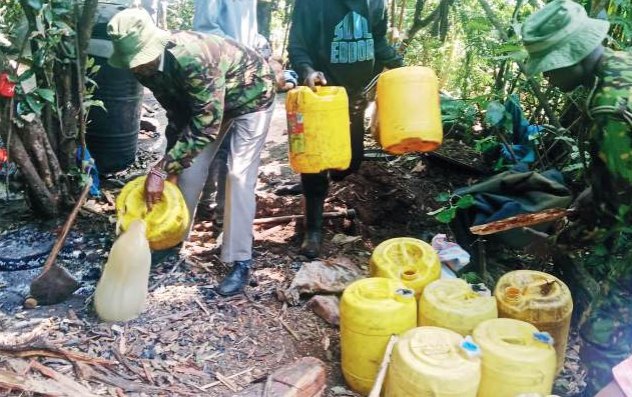
Before dawn, they would gather around hand-dug shallow wells carved into the sandy riverbeds of North Horr in Marsabit county. Armed with ropes and empty jerricans, they patiently waited for their turn to lower containers into the narrow wells and draw whatever water was available.
Sometimes they waited the entire day. Other times, they spent the night beside the wells, hoping to fill a single 20-litre jerrican before returning home.
“We wasted many hours queuing for water instead of doing other chores,” recalls Qalla Elema, a mother of three.
The water was often salty and contaminated, making it unsafe. Yet for the pastoralist community, these wells were the only source of water for drinking, cooking, washing and watering livestock. Strong winds carried debris into the wells. During rainy periods, run-off washed human and animal waste into the water. The result was water that tasted unpleasant and exposed families to health risks.
The situation was made worse by high salinity levels. Residents often walked up to 20km to El Mudha and El Gufu in search of water with lower salt content for domestic use. “It was very difficult. We could not even maintain small kitchen gardens. Sometimes we had food, but without water, we couldn’t cook,” Elema said.
Children were equally affected. Many spent long hours herding livestock under the scorching sun with little access to drinking water. Cases of stomach illnesses, vomiting and diarrhoea were common. “My children would complain of stomach aches every time they drank the water,” Elema said.
Fetching water also came with serious dangers, particularly for women. Guyo Gonjoba, chairman of the community’s water committee, said women who spent nights waiting for water risked attacks from snakes, scorpions and wild animals.
“I know of two recent cases where women died after being bitten by snakes,” he said.
For many residents, the struggle for water became a daily reminder of how isolated their community was. “As pastoralists, we felt forgotten, marginalised and neglected,” Gonjoba said.
CHANGING THE NARRATIVE
That reality began to change when Pastoralist Community Initiative and Development Assistance (Pacida), a public benefit organisation, intervened to address the community’s chronic water shortage by drilling a borehole.
When water was finally struck, the community celebrated. After years of depending on shallow wells, the borehole appeared to offer a permanent solution. However, the excitement was short-lived.
Although the borehole produced an impressive yield of over 40,000 litres of water per hour, tests revealed that the water contained high levels of salinity, making it unsuitable for drinking. “The community was disappointed. But we understood that nobody was to blame. Water had been found, but it was too salty,” Gonjoba said.
Rather than abandon the project, Pacida worked with partners to find another solution. With support from Caritas Austria, funding was secured for the construction and installation of a reverse osmosis water desalination plant that began in 2025.
The Sh24 million project included a 25-kilowatt solar power system, a 3,000 litres per hour desalination unit, a 65,000 litres steel storage tank on a 15m high steel tower, a water kiosk with a water ATM, a water collection tank, distribution pipelines, an operator’s house, a water disposal system and perimetre fencing.
Today, the plant produces about 3,000 litres of safe drinking water an hour. More than 900 households in El Boru Magadho and neighbouring settlements, such as Galas and Barambate, now benefit from the project. Residents also travel from distant areas including North Horr, Gas and Malabot to access the clean sweet water.
“It has really improved the water situation in our community. The water is now free from contamination, germs, impurities. This is a landmark change,” Gonjoba said during the handover ceremony of the project to the community in March 2026.
LIFE-CHANGING
PROJECT
Pacida programmes coordinator Samwel Lentoror said access to reliable water has transformed everyday life in the village.
Women and girls who previously spent hours searching for water now have more time for education, livelihoods and family responsibilities.
“Beyond meeting a basic need, the project has restored dignity, hope and opportunities for long-term social and economic development,” he said.
Lentoror said improved access to safe water is expected to reduce waterborne diseases, improve hygiene and lower healthcare costs for households. Reliable water also supports livestock production, protects household assets during drought and creates opportunities for income-generating activities.
To ensure similar projects remain operational in the long term, community members have been involved throughout the planning and implementation process. Water management committees have been trained on governance, operations and maintenance, while local technicians are trained to acquire the skills needed to manage the system.
Pacida offers support during the initial stages, and later the project is handed over to the community to manage. They also work closely with county governments during planning, implementation, monitoring and handover to strengthen sustainability, local ownership and alignment with county priorities.
As an organisation, Pacida has partnered with other organisations to install two similar projects in Bubisa, one in Turbi ward, and the second one for the El Molo community in Loiyangalani, which is regarded as the smallest ethnic group in the country.
Even with the success of these projects, large parts of Marsabit county still lack reliable access to safe water. Recurrent droughts, growing demand and high maintenance costs continue to strain existing infrastructure.
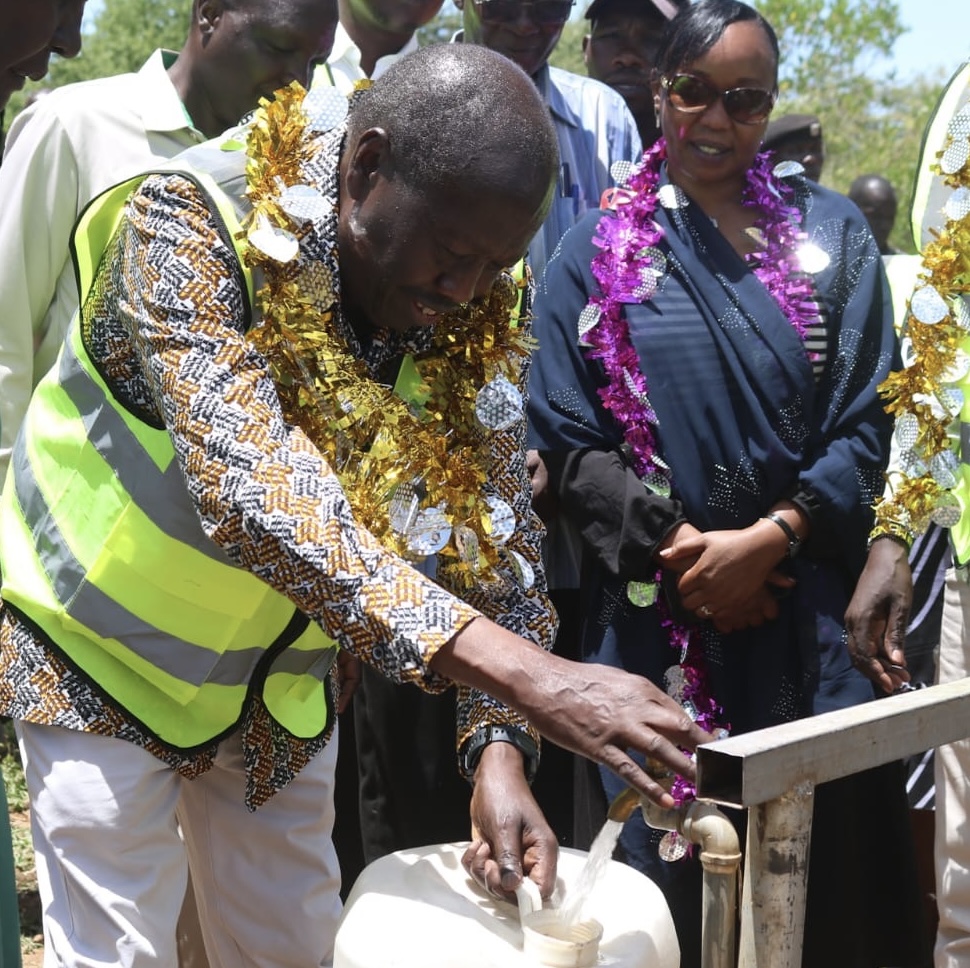
For communities such as El Boru Magadho, it marks the end of years spent searching for a basic necessity and the beginning of new possibilities. Today, water flows from a kiosk where residents once feared drinking from shallow wells.
Standing beside the water kiosk, Gonjoba reflects on the journey his community has taken. “We are proud of what has been achieved here,” he says. “For many years, we felt forgotten. Now our children can drink safe water without fear. That is something we never imagined would happen in our lifetime.”
The water shortage has affected the smooth running of schools and hospitals