For many young Kenyans,
perfume is no longer just a fragrance, but confidence in a bottle; a way to
change your vibe as easily as you change your clothes, whether it’s a bold
scent for a big meeting or a sweet vanilla fragrance for a Sunday brunch.
“You don’t
have to smell like your problems,” says Brian, a Nairobi-based office worker
with a growing collection of nine perfumes.
Like many fragrance enthusiasts
today, Brian no longer relies on a single signature scent.
Instead, he rotates
between multiple fragrances depending on the weather, occasion, mood, and even
how he wants to be perceived.
“When your
scent introduces you before you even speak, it changes how you carry yourself.
It’s like a boost of confidence,” he said.
According
to Brian, different perfumes create different impressions, with stronger scents
often associated with confidence and softer fragrances feeling calmer and more
relaxed.
To him, perfume has become an accessory, something as intentional as a
watch or a carefully curated outfit.
What was
once considered a luxury reserved for special occasions is now evolving into a
growing culture of fragrance collecting among young Kenyans.
From Arab perfumes
and scent layering to TikTok fragrance reviews and “what are you wearing?”
scents, many consumers are now building collections of their own.
Popular
fragrance content creator Hassan Hussein, popularly known online as
@sanseinscents, says social media has played a major role in transforming
perfume culture from a niche interest into a growing online trend among young
people.
He explains
that platforms such as TikTok and Instagram have made fragrances feel more
accessible and aspirational, with many people now discovering perfumes through
online reviews, aesthetic packaging, and influencer recommendations.
“If people
see someone with a collection of 10 or even 100 perfumes online, they also want
to be part of that trend,” he said.
Hassan
noted that many buyers now make “blind purchases” based purely on online
recommendations without ever smelling the fragrance themselves first.
He also
believes the rise of affordable Middle Eastern perfumes has significantly
contributed to the growth of perfume collections among young people.
“They’re
affordable, long-lasting, and people feel like they can now own multiple scents
without spending too much,” he said.
Beyond trends, Hassan says fragrances have
also become closely tied to confidence and self-expression. “People want to be
remembered as the person who always smells good,” he added.
That
accessibility is exactly what drew Josephine Waithera into perfume collecting.
She says the rise of affordable Arab fragrances has made it
easier for people to enjoy luxury-smelling scents without the high designer
price tags.
With a
growing collection of about 12 perfumes, Waithera says owning multiple
fragrances no longer feels out of reach.
“You don’t really have to break the
bank to smell good anymore,” she said.
According
to her, layering perfumes and experimenting with different scents has also
become part of the experience.
“I like smelling edible, so I gravitate towards
vanilla scents because they pair well with almost everything,” she added.
Not
everyone, however, is drawn to growing perfume collections.
According to Gloria
and Sylvester, who are both university students, one signature scent is more
than enough.
Gloria says she prefers sticking to a single fragrance she
strongly identifies with rather than constantly switching between different
perfumes.
“Once I
find a scent I really love, I stick with it. Why fix what’s not broken?” she
said.
She added that even when she buys other perfumes, she always finds
herself reaching for the same scent because of the familiarity and attachment
she has built with it.
Sylvester
also shares similar sentiments, saying he prefers having one consistent
fragrance rather than owning multiple perfumes because he likes being
associated with a particular scent.
The
growing interest in perfume collections is also being reflected in consumer
buying habits.
Faiza, owner of The Beauty Cabin, says more customers are now
purchasing multiple perfumes suited for different settings and experiences
instead of sticking to one signature scent.
She notes
that the growing accessibility of affordable fragrances has made it easier for
consumers to experiment with scents without spending excessively.
According to
her, social media and changing fragrance trends have also encouraged more
people to explore perfume collections and scent layering.
“Perfume
trends spread very quickly online through influencers, reviews, and lifestyle
content,” she said.
As perfume
culture continues to grow both online and offline, fragrances are becoming more
than just beauty products for many young Kenyans.
From confidence and
self-expression to memory and personal identity, perfume is increasingly being
treated as a way for people to express themselves, one scent at a time.

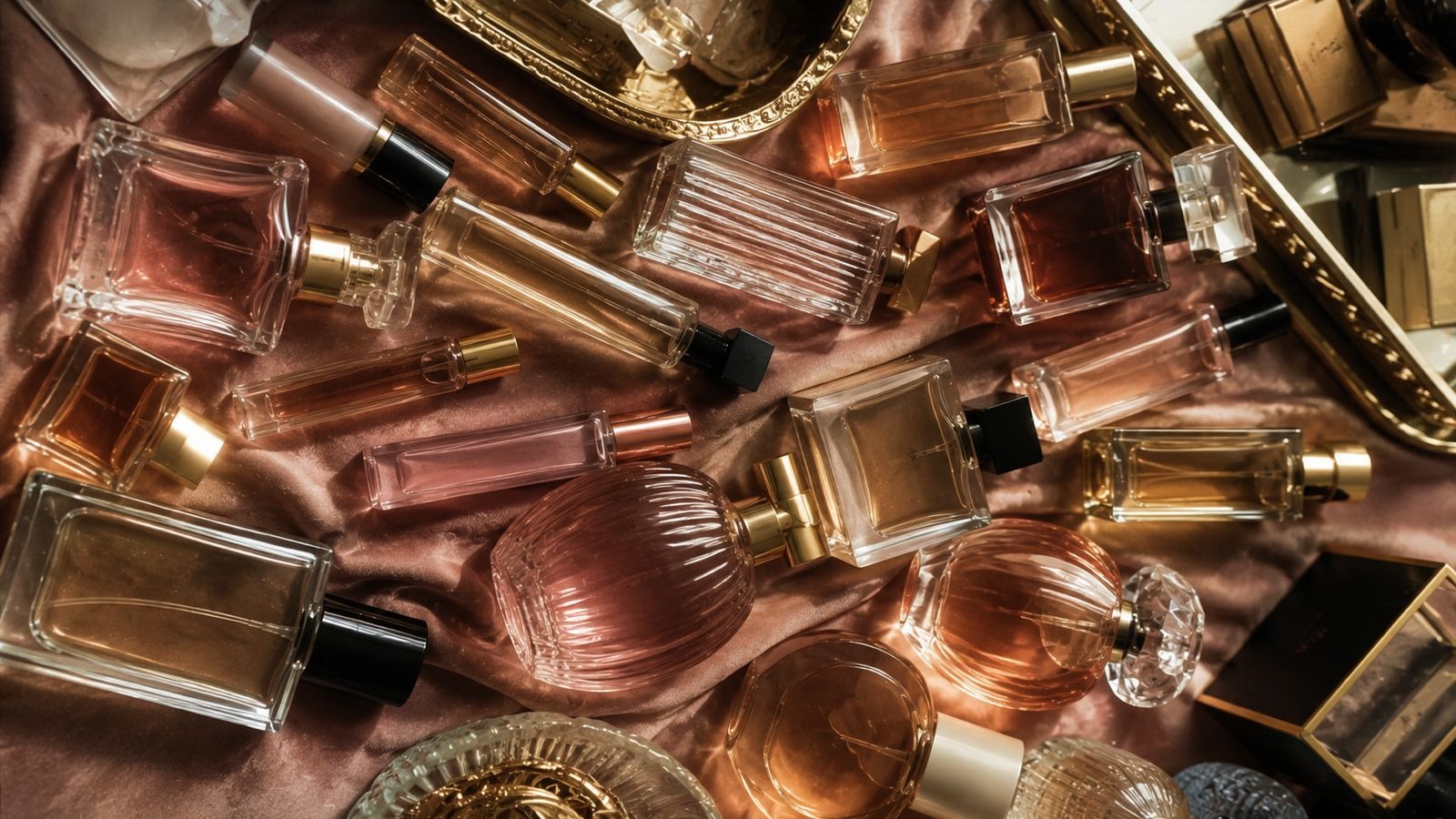 Bottles of perfume/HANDOUT





![[PHOTOS] The new Ngong –Naivasha Road viaduct](https://cdn.radioafrica.digital/image/2026/06/64d4f771-4432-4aee-ba3c-2f304c4436ec.jpg)