The law establishes the Social Health Authority that is a key driver of the Universal Health Coverage.
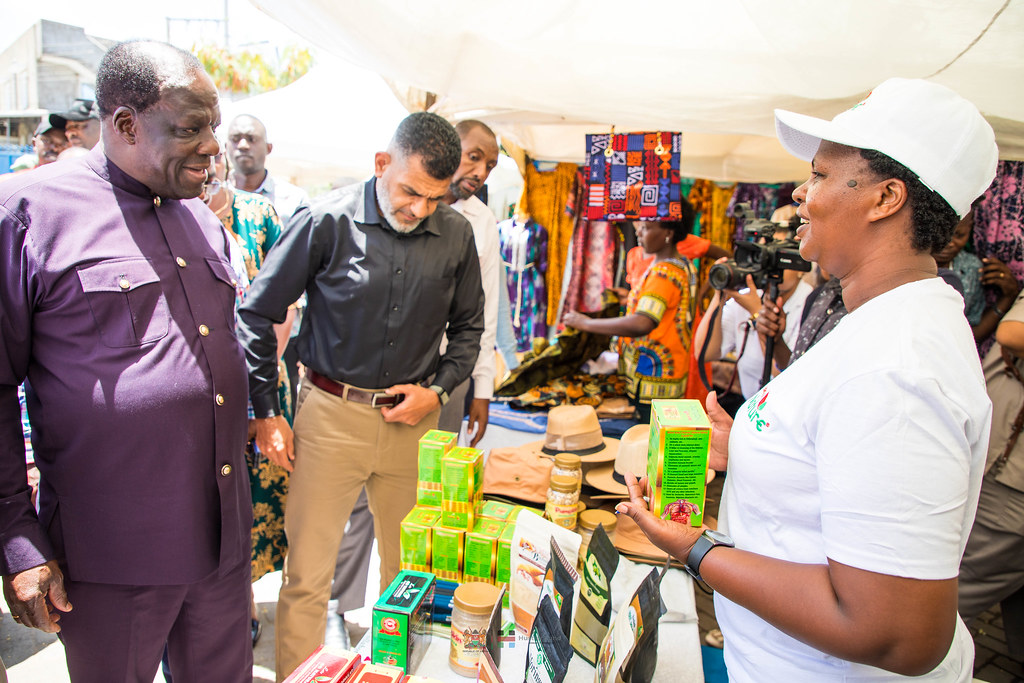
The authority replacing the National Health Insurance Fund is headed by Timothy Olweny as the chairperson. He spoke to the Star health reporter Magdaline Saya.
Excerpts:
What progress has been made since the authority came into place?
The transitioning from NHIF to SHA is supposed to take, according to the law, a maximum of one year. There has been significant progress, so things are on course in terms of the transition. The key thing is to ensure that we have a seamless transfer and continuation of services to the current members of NHIF, who are going to be the members of SHIF.
When do we expect to see change in terms of registration and contributions?
Registration is going to commence this month, and then subsequent to that in the new financial year is when we are going to have the new rate of contributions commence. It was set for the beginning of the new financial year for a reason. That is the time we can have funds allocated to the SHA through Parliament. It also gives us enough time to ensure we get all the new schemes in place. That is why we have chosen to take our time to make sure we implement it in the right manner.
Were there any issues from Kenyans during public participation forums on the new regulations?
The scheme in general has received support from the public because they appreciate what we are trying to do. The only modification that was highlighted was the requirement to have a marriage certificate before you are registered together with somebody as your spouse. It became apparent to us that a lot of Kenyan families don’t have documents such as a marriage certificate.
After a lot of feedback, we agreed we are going to modify that to say proof of marriage. Some people might come with affidavits or a letter from the chief. It is not our mandate to decide, but that is vested with other bodies in government.
How will the issue of polygamy be handled in the new fund?
One of the discussions of the scheme was how we define a household, so the perspective in the end was that they are regarded as one household because we are not going to spilt up families. But the contributions are going to be paid from the income of that family. If you got a household that is larger, if it has got multiple sources of income, we will aggregate those sources of income and that is the basis that determines the premium to be paid.
What we are saying is that the same principle applies even if it is a monogamous marriage. So, in a polygamous setup it is the same. We put the incomes of all the people who are earning within that household, aggregate them and that becomes the household income.
Is the concern by health unions that the new fund will not cater to them comprehensively like NHIF valid?
I would say it is a justified concern but it is a discussion that should be held between the employer and the unions. If you look at the genesis of the so-called comprehensive schemes, they were enhanced schemes in which the employers decided to give an additional benefit to their employees.
At the moment the law does not allow the SHA to manage any enhanced schemes so even if we were willing to do it we cant. But in my view the package being offered by SHA is comprehensive hence no need for concern.
What is your message to Kenyans who are still skeptical as a result of the NHIF shadows?
NHIF has been given a bad name by some very bad employees, first of all those employees will not be onboard to SHA. In terms of fraud, we are going to put in place measures to ensure even if people attempt to engage in fraud they don’t get paid, I keep saying the deterrent to fraud is to make sure they don’t benefit from it. There are going to be consequences where people who engage in fraud are held to account and the funds recovered.
What next after the court suspended Section 26(5) of the Social Health Insurance Act, which makes registration and contribution a precondition for dealing with or accessing public services?
The intention was not to deny people government services, the intention is to make sure that everybody enrols with the social health insurance scheme. What has happened in the past is when someone anticipates the need to benefit from NHIF is when they pay premiums and after they have benefited they opt out.
The aspect of adverse selection where you have people who are paying when they only feel they want to benefit is what we are trying to kill. The reason why we had section26(5) was to make sure that anybody who ideally should be able to pay should pay.
Parting shot
The problems we had in our healthcare system were clear, the solutions have been crafted to solve these problems, the ideas that we have and the concept is conceptually sound and everything ideologically aligned to UHC.