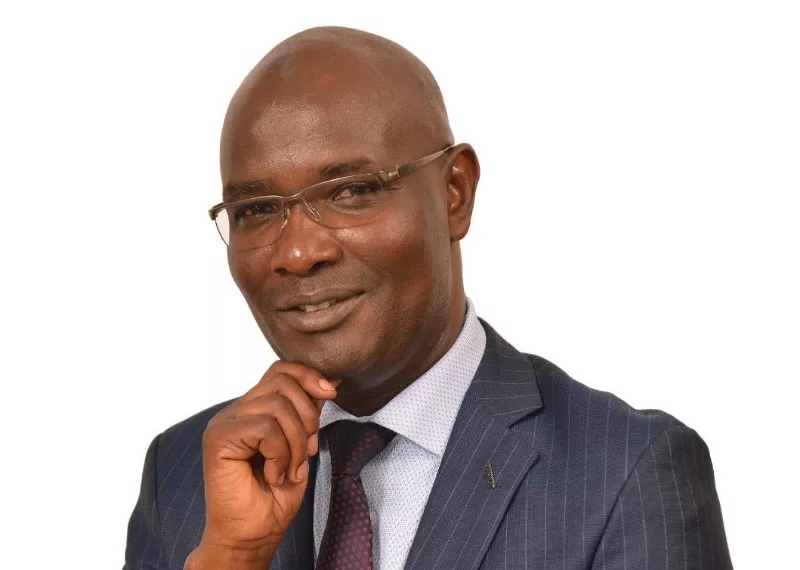
 Eliud Murithi, an acclaimed author on mental wellness. /HANDOUT
Across Kenya, a quiet challenge is unfolding in classrooms, homes, churches, universities, and communities. While young people continue to excel in academics, sports, innovation, and entrepreneurship, many are silently struggling with anxiety, depression, loneliness, substance abuse, and the pressures of an increasingly demanding world.
Mental health is no longer an issue affecting only a few. It has become a national conversation that requires compassion, understanding, and collective action.
The rise of social media, unemployment, examination pressure, financial hardship, family conflicts, and uncertainty about the future has placed enormous emotional burdens on Kenya's youth. Many young people carry invisible wounds, often choosing silence because of fear, stigma, or misunderstanding. Yet behind every statistic is a son, daughter, student, neighbour, or friend whose greatest need may simply be someone willing to listen.
The Greek philosopher Aristotle observed, "Educating the mind without educating the heart is no education at all." His words remain relevant today. Academic excellence alone cannot prepare young people for life's complexities. Schools must also cultivate emotional intelligence, resilience, empathy, and character. A learner who feels safe, valued, and emotionally supported is more likely to flourish both inside and outside the classroom.
Similarly, the African philosophy of Ubuntu "I am because we are", offers an enduring reminder that human beings thrive in community. In the Kenyan context, this philosophy challenges families, schools, faith communities, employers, and policymakers to recognize that mental well-being is a shared responsibility. When one young person suffers in silence, the entire community is diminished; when one finds hope and healing, everyone benefits.
The Bible also speaks powerfully to the value of caring for the inner person. In Proverbs 4:23, believers are urged: "Above all else, guard your heart, for everything you do flows from it." The verse reminds us that emotional and spiritual well-being influence every aspect of life, from relationships to decision-making.
Likewise, Galatians 6:2 teaches, "Carry each other's burdens, and in this way you will fulfill the law of Christ." These words call communities to replace judgment with compassion. Mental illness should never be viewed as weakness or a lack of faith. Instead, those experiencing emotional distress deserve understanding, professional support, and the reassurance that they are not alone.
For many Kenyan families, conversations about mental health remain difficult. Some interpret emotional struggles as personal failure or spiritual inadequacy, while others fear discrimination if they seek professional help. These misconceptions often delay treatment, allowing manageable conditions to become severe. Mental health deserves the same seriousness as physical health. Just as one would seek medical attention for malaria, diabetes, or a broken bone, seeking counselling or psychological care should be viewed as an act of wisdom rather than shame.
Educational institutions also have a critical role to play. Guidance and counselling services should be strengthened, peer support groups encouraged, and teachers equipped to recognize signs of emotional distress among learners. Parents, too, can create safe spaces by listening without immediate criticism and encouraging honest conversations about life's challenges. The philosopher Søren Kierkegaard wrote that "Life can only be understood backwards; but it must be lived forwards." Many young people facing despair struggle to imagine a hopeful tomorrow. Their stories remind us that encouragement today may shape the future they one day look back upon with gratitude.
Faith communities across Kenya have equally significant responsibilities. Churches, mosques, and other places of worship remain trusted institutions where many young people seek guidance. By combining spiritual care with informed mental health awareness, religious leaders can help reduce stigma while encouraging those in need to access appropriate professional support. Prayer and counselling need not compete; they can complement one another in promoting holistic healing.
Jesus himself demonstrated deep compassion toward those who were weary and burdened. In Matthew 11:28, He says, "Come to me, all you who are weary and burdened, and I will give you rest." This invitation continues to offer hope to those carrying emotional pain, reminding them that seeking rest, healing, and support is not a sign of weakness but of courage.
Kenya's greatest resource is neither its minerals nor its technology; it is its people. The dreams of young innovators, teachers, farmers, artists, engineers, entrepreneurs, and healthcare workers will shape the nation's future. Protecting their mental well-being is therefore not merely a health priority; it is an investment in national development.
Helping young minds thrive begins with simple but powerful actions: listening without judgement, speaking openly about mental health, strengthening support systems, expanding access to quality mental healthcare, and creating communities where every young person knows they are valued.
As the wisdom of Proverbs 17:22
reminds us, "A cheerful heart is good medicine, but a crushed spirit dries
up the bones." In nurturing the emotional well-being of Kenya's youth, we
nurture the future of the nation itself.
The writer is an acclaimed author on mental wellness and was overwhelmingly nominated The Star Person of Year 2025 for his Mental Health Advocacy