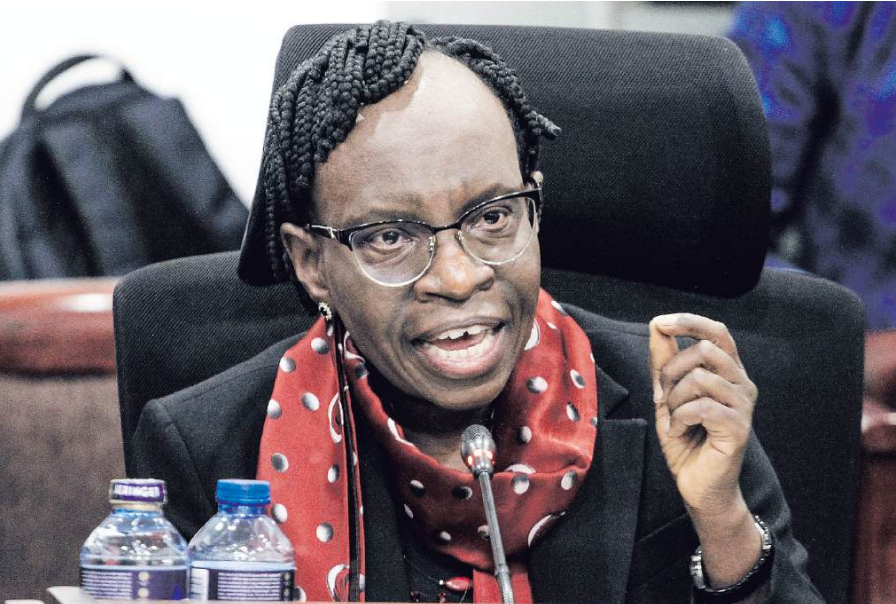
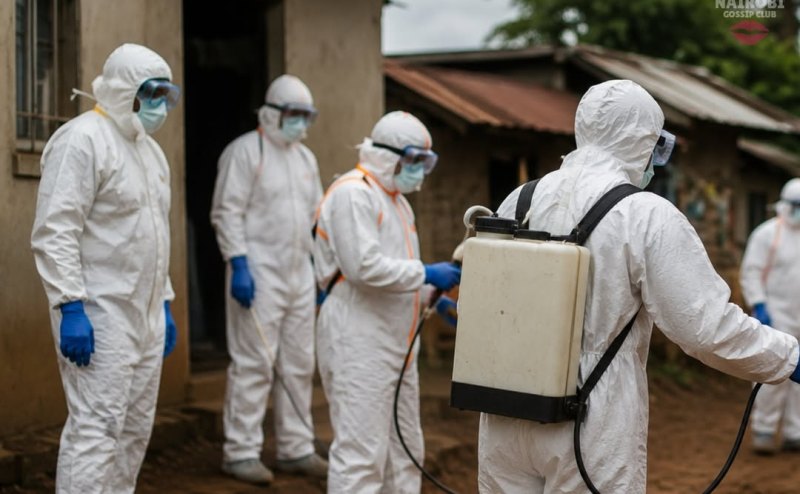
 Prof Noah Sitati /HANDOUT
The world is once again entering an El Niño phase, and climate scientists are increasingly concerned that it could become one of the strongest climate events witnessed this century.
Forecasts from the United States National Oceanic and Atmospheric Administration (NOAA) indicate a high probability that the current El Niño will intensify significantly in the coming months, potentially triggering widespread weather extremes across the globe.
El Niño is a naturally occurring climate phenomenon characterized by unusually warm ocean temperatures in the central and eastern Pacific Ocean. Although it develops thousands of kilometres away from Africa, it has profound effects on weather systems across the globe.
For East Africa, particularly Kenya, Tanzania, Uganda, Ethiopia, Somalia, Rwanda, Burundi, and South Sudan, the development is both a cause for concern and a call to action.
While El Niño can bring much-needed rainfall after prolonged droughts, it can also unleash devastating floods, landslides, disease outbreaks, infrastructure damage, crop losses, and displacement of communities.
The critical question facing governments, development partners, humanitarian agencies, and communities is not whether El Niño will arrive—it already has.
The question is whether East Africa is prepared. The 2024 East Africa floods affected approximately 1.6 million people across the region and caused at least 473 confirmed deaths, according to humanitarian assessments. More than half of all recorded fatalities occurred in Kenya.
During a strong El Niño event, large amounts of heat and moisture are released into the atmosphere, altering rainfall patterns, temperatures, and storm systems worldwide.
Scientists estimate there is more than a 60 percent chance that the current El Niño could develop into a very strong event, comparable to the historic 1997–1998 El Niño that caused widespread flooding and economic losses across East Africa and over 6,000 deaths. That event remains one of the most memorable climate disasters in the region's history.
Kenya alone experienced massive floods that destroyed roads, bridges, schools, and health facilities. Thousands of livestock died, crops were washed away, and outbreaks of malaria, cholera, and Rift Valley Fever affected both people and livestock.
Why East Africa should pay attention
Unlike Southern Africa, where El Niño
often causes drought, East Africa typically experiences above-average rainfall
during El Niño years, particularly during the short rains season between
October and December.
This presents both opportunities and risks. The positive side is that increased rainfall can replenish rivers, dams, groundwater reserves, and grazing lands.
Following several years of severe drought that affected millions of people and caused significant livestock losses across Kenya, Ethiopia, Somalia, and northern Tanzania, improved rainfall could help ecosystems and communities recover.
However, excessive rainfall can quickly transform from a blessing into a disaster. Recent years have demonstrated the vulnerability of East African countries to climate extremes.
In 2024 alone, flooding affected hundreds of thousands of people across Kenya, Tanzania, and Burundi, resulting in loss of life, destruction of homes, displacement of families, and significant economic damage. A strong El Niño could amplify these impacts.
Kenya is likely to be among the countries most affected by a strong El Niño event. Areas particularly vulnerable include: The Lake Victoria Basin, Coastal counties, The Tana River Basin, Nairobi and other urban centres, Landslide-prone regions of Central, Rift Valley and Western Kenya and Arid and semi-arid lands (ASALs).
Heavy rainfall may result in flooding. Rivers such as the Tana, Athi, Nzoia, Nyando, and Ewaso Nyiro could overflow, affecting settlements, agricultural land, and infrastructure.
Informal settlements in major towns and cities may also experience severe flooding due to inadequate drainage systems. Steep slopes in counties such as Murang'a, Nyeri, Kirinyaga, Elgeyo Marakwet, West Pokot, and parts of the Rift Valley may face increased risks of landslides and mudslides.
Standing water creates breeding grounds for mosquitoes, increasing the risk of malaria and dengue fever. Flooded water sources can also lead to outbreaks of cholera, typhoid, and other waterborne diseases.
Roads, bridges, schools, irrigation systems, and power infrastructure may be damaged, disrupting transportation, trade, and access to essential services.
In wildlife-rich landscapes such as Amboseli, Maasai Mara, Tsavo, Laikipia, and the Southern Kenya–Northern Tanzania (SOKNOT) landscape, changing rainfall patterns and flooding can alter wildlife movements, potentially increasing human-wildlife conflict as animals move into farms and settlements.
Agriculture remains the backbone of East Africa's economy, employing more than 60 percent of the region's population. A strong El Niño could have mixed effects on agricultural production. In some areas, increased rainfall may improve crop yields and pasture availability. Farmers may benefit from better soil moisture conditions and increased water availability for irrigation.
However, excessive rainfall can destroy crops through flooding and waterlogging, delay planting and harvesting, increase crop pests and diseases, damage storage facilities, disrupt agricultural markets and transport networks while pastoral communities may initially benefit from improved pasture and water availability.
However, livestock diseases such as Rift Valley Fever often
increase during wet periods, posing significant risks to both animal and human
health.
Wildlife and ecosystem impacts
East Africa hosts some of the world's most important wildlife populations and protected areas. Extreme weather associated with El Niño can have significant ecological consequences.
Flooding may damage habitats, alter migration routes, and increase mortality among vulnerable wildlife species. Protected areas such as the Maasai Mara, Serengeti, Amboseli, Tsavo, Mkomazi, and Ruaha ecosystems could experience changes in wildlife distribution and behaviour.
On the other hand, increased rainfall may also improve vegetation productivity, replenish wetlands, and support ecosystem recovery following prolonged drought periods.
For conservation organizations, El Niño presents an opportunity to
strengthen ecosystem monitoring, landscape restoration, and climate adaptation
initiatives.
What should Governments and communities do now?
The most important lesson from previous El Niño events is that preparedness saves lives and reduces economic losses.
Governments should immediately: strengthen early warning systems, identify and secure flood-prone areas, inspect and reinforce critical infrastructure, prepare emergency response plans, improve drainage systems in urban areas, strengthen disease surveillance systems, support climate-smart agriculture initiatives, and finally, pre-position relief supplies in vulnerable regions.
Communities can also take proactive measures including clearing drainage channels, avoiding settlement in flood-prone areas, protecting water sources, preparing emergency household plans, and monitoring weather advisories issued by meteorological agencies.
Farmers
should consider adjusting planting schedules based on seasonal forecasts and
adopting climate-resilient agricultural practices.
Turning a threat into an opportunity
While El Niño is often associated with disasters, it can also provide opportunities for recovery and resilience building. Increased rainfall can support reforestation, landscape restoration, groundwater recharge, and agricultural production if properly managed. For East Africa, the challenge is not simply responding to El Niño but using it as a catalyst to strengthen climate adaptation and disaster preparedness systems.
Climate scientists warn that global
warming is increasing the intensity and frequency of extreme weather events. As
a result, El Niño impacts may become more severe and less predictable in the
future. The current El Niño therefore serves as a reminder that climate
resilience is no longer optional—it is an urgent development priority.
A call for preparedness
East Africa has experienced devastating droughts, floods, and climate shocks in recent years. Communities are still recovering from the economic and social impacts of these events. A strong El Niño could place additional pressure on already vulnerable populations, particularly in rural and marginalised areas.
The science is clear: El Niño has begun, and there is a growing possibility that it could become one of the strongest events of the century.
The
coming months provide a critical window for governments, humanitarian agencies,
conservation organizations, businesses, and communities to prepare. Preparedness
today will determine whether East Africa experiences another climate
disaster—or demonstrates how resilience, planning, and collective action can
transform a looming threat into an opportunity for recovery and sustainable
development.