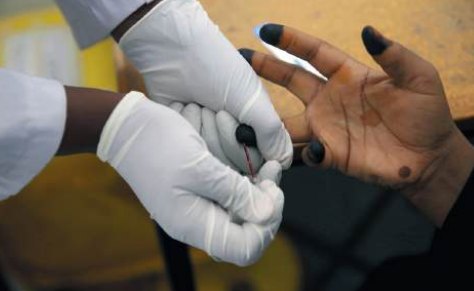
Nearly 14,000 Kenyans contracted HIV last year, new government estimates show.
The figures also show the epidemic continues to hit children, adolescents and young women the hardest.
The preliminary figures released on Thursday put the number of new infections at 13,936, with children and young people accounting for more than half of all new cases.
“While this represents ongoing programmatic and structural gaps, it reflects a substantial 56 per cent decline from the 32,027 new infections recorded in 2020, signalling that scaled-up prevention frameworks are yielding strong results,” the National Syndemic Diseases Control Council (NSDCC) said.
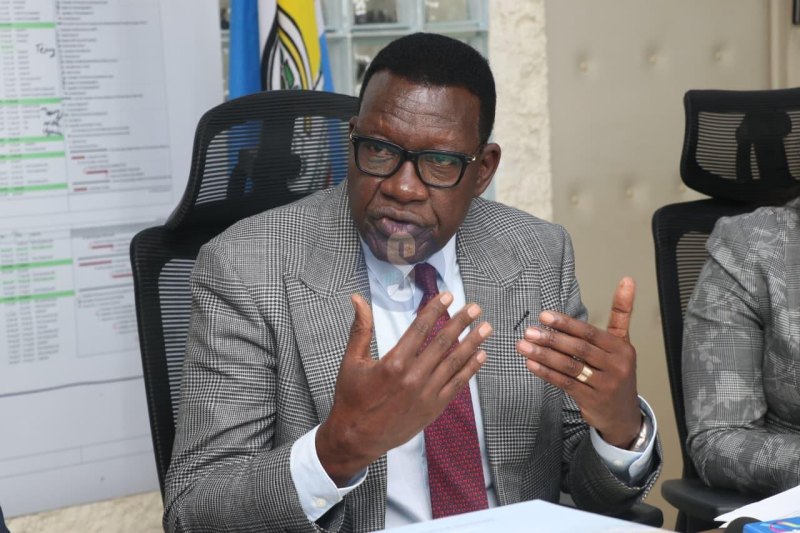
Dr Douglas Bosire, the NSDCC CEO, said this represents the steepest decline in Kenya's epidemic history.
“The 95-95-95 treatment targets have been maintained, with viral load suppression holding in a majority of counties. The prevention of mother-to-child transmission cascade was protected in 44 of 47 counties despite the 2025 funding disruption,” he said.
The county distribution remains uneven. Nairobi county leads with 1,516 new infections.
Kisumu follows with 1,057, Homa Bay, with 985 and Migori, with 970, recorded the next highest numbers.
Wajir has the lowest burden, with only 10 new infections.
According to the estimates, adults aged 15 years and above accounted for 10,540 of the new infections, while 3,396 infections occurred among children aged below 15 years. Adolescents and young people aged 15–24 years accounted for about 4,321 new infections.
The report notes the burden of new infections remains uneven across age groups and sexes.
“The distribution of new HIV infections, however, continues to reveal persistent age and gender disparities. Adolescent girls and young women remain disproportionately affected, highlighting the critical need for sustained, age-responsive and targeted structural prevention efforts,” the report says.
The findings suggest that while Kenya has made remarkable progress in reducing HIV transmission, targeted interventions will be needed if the country is to meet its goal of ending HIV as a public health threat.
“These shifting epidemiological trends call for intensified, gender-responsive and sub-nationally tailored HIV prevention interventions to sustain momentum, address regional inequities and effectively close emerging gaps,” the report says.
Dr Bosire said more than half of people living with HIV in Kenya now have at least one non-communicable disease.
He said HIV-positive women face a cervical cancer risk six times higher than their HIV-negative peers, accounting for more than 5,200 new cases and 3,800 deaths each year.
“Tuberculosis claims 23,500 lives annually, of which 20,000 are attributed to HIV and Aids co-infection. Kenya’s disease burden is one interconnected syndemic, not six separate conditions each requiring its own programme,” he said.
The estimates also highlight continuing challenges in preventing HIV transmission from mothers to their babies. Although the national mother-to-child transmission rate has declined from 9.3 per cent in 2024 to 8.04 per cent in 2026, it remains above the global target of less than five per cent.
The report identifies interruptions in treatment among mothers as a major factor behind new infections among children.
“About 38 per cent of new HIV infections among children were due to mothers dropping off ART during breastfeeding,” the report says.
It adds that infections also occurred because some women living with HIV did not receive antiretroviral treatment during pregnancy or breastfeeding, pointing to gaps in continuity of care and follow-up services.
The new figures come as Kenya rolls out the Kenya Aids Integration Strategic Framework 2026–2030, which seeks to accelerate progress against HIV while integrating HIV services into the broader health system.
Under the framework, Kenya aims to reduce annual new HIV infections to fewer than 1,000 among adults and fewer than 200 among children by 2030.
Health CS Aden Duale, who presided over the launch of the framework, called for a rethink of HIV financing.
“In our facilities, especially, we have more non-health staff. It should be the other way round. We have more sweepers. It should be 70 per cent health staff and the other 30 per cent,” he said.