


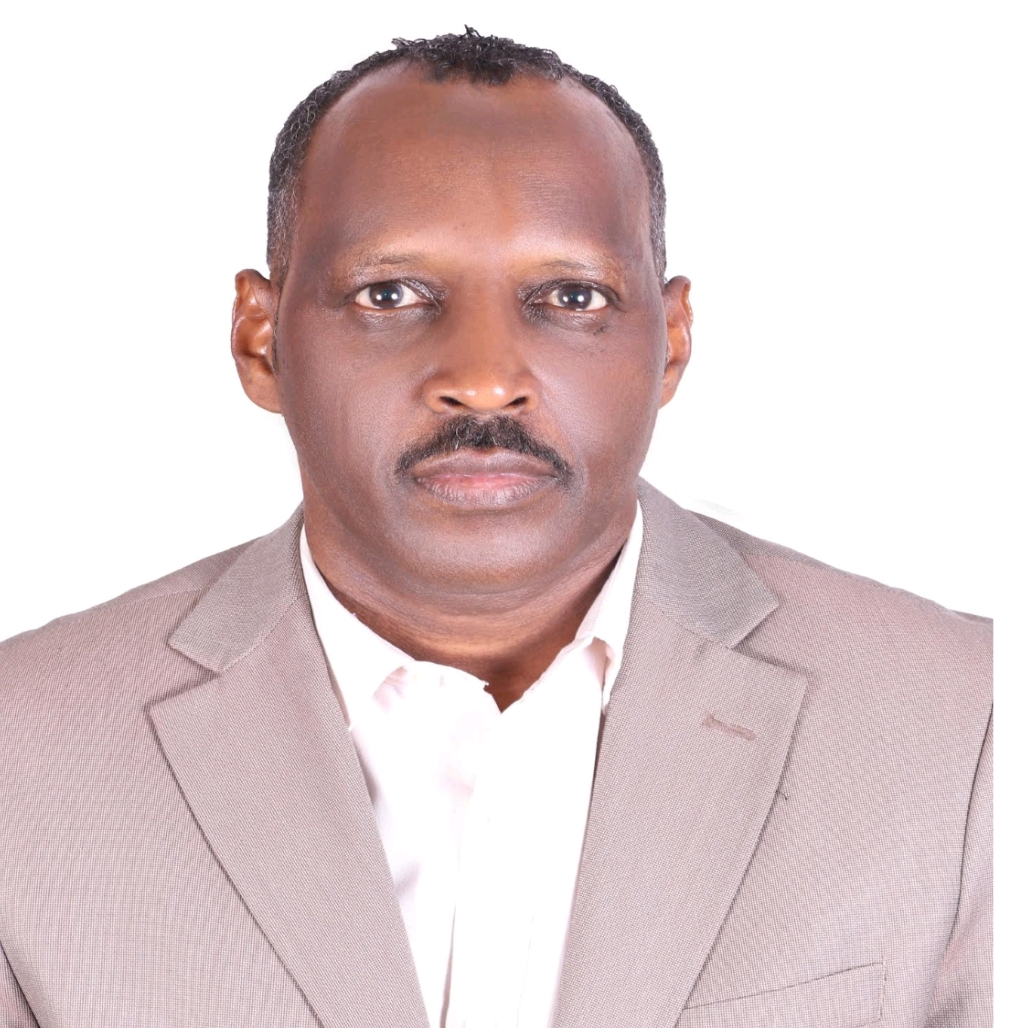
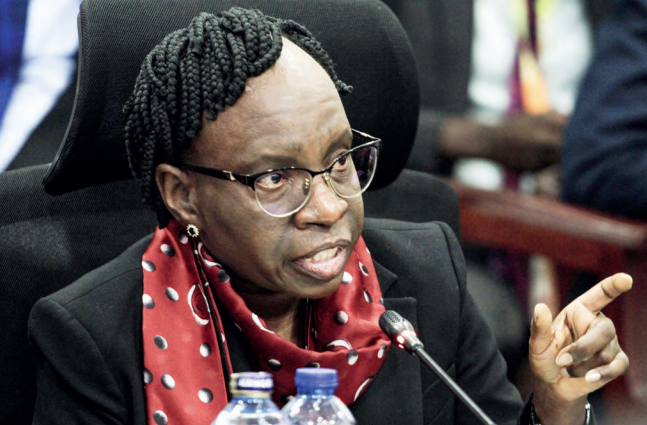
 Hon.Salah Maalim Alio-Chair Land Sector Forum (LSF), Frontier Counties and CECM Lands,Housing and Urban Development,County Government of Mandera./HANDOUT
For decades, Northern Kenya existed at the periphery of the Kenyan state — geographically distant, politically misunderstood, and economically neglected.
From the days of the colonial administration to post-independence Kenya, the region endured systematic marginalisation anchored in the infamous Sessional Paper No. 10 of 1965, which concentrated national development in areas considered to have “high economic potential". Northern Kenya was left behind.
Sixty-three years after independence, however, a new political and developmental awakening is unfolding. The rise of Northern Kenya is no longer accidental; it is deliberate, strategic, and increasingly irreversible.
The recent 63rd Madaraka Day celebrations held in Wajir County marked a defining national moment. For the first time in Kenya’s history, a national celebration of such magnitude was hosted in Northern Kenya. What many initially dismissed as a symbolic political event quickly transformed into a powerful statement of inclusion, national unity, and state commitment.
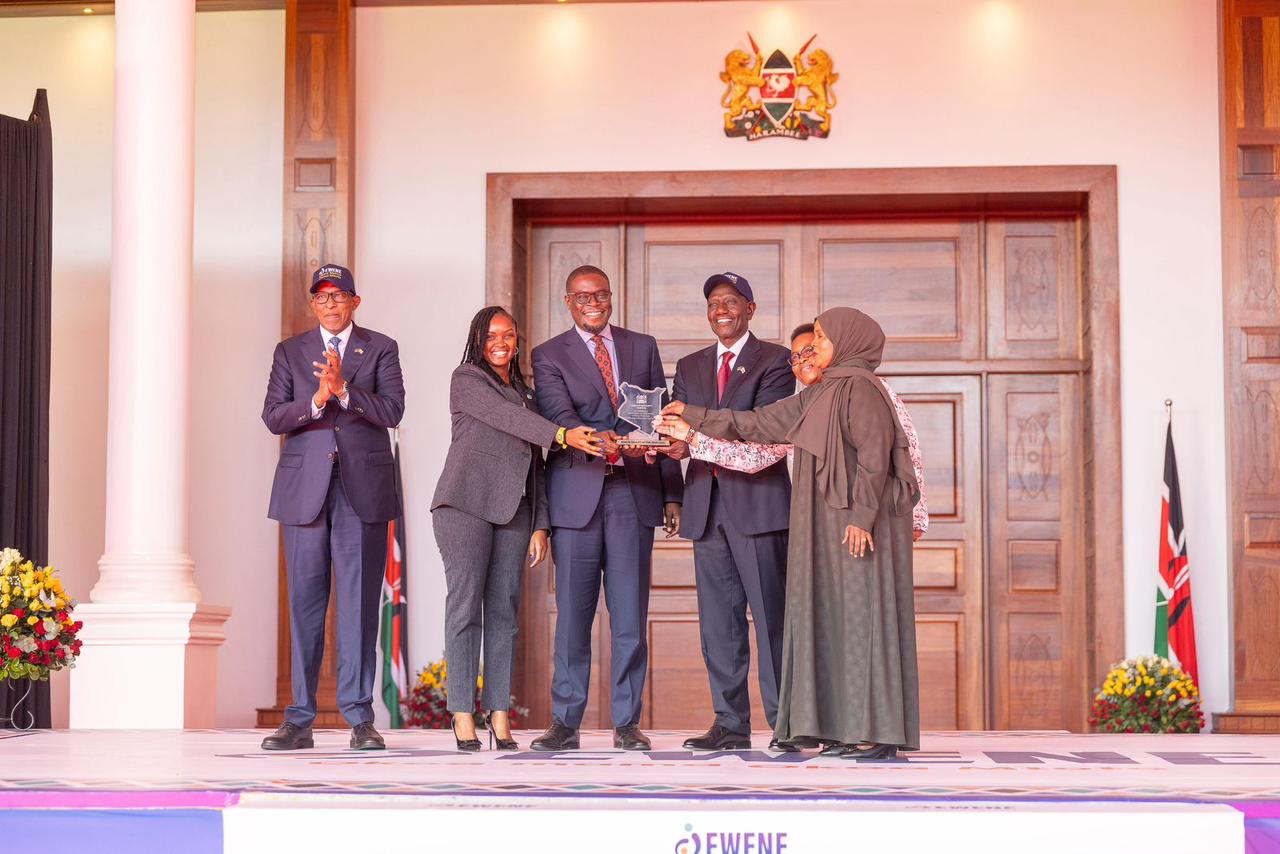
Under the leadership of President William Ruto, Wajir witnessed rapid infrastructure transformation within a remarkably short period. Roads were upgraded, security installations strengthened, the airport modernised, and a new 10,000-seater stadium constructed in record time. More importantly, the President spent three days in the region, slept at the newly established State Lodge in Wajir, and directly engaged with local communities. That gesture alone carried immense political and psychological significance for a people long accustomed to exclusion from the national conversation.
For many residents of Northern Kenya, President Ruto’s public acknowledgment of historical marginalisation amounted to an important national apology — one that recognised decades of inequality and deliberate segregation. But apologies alone do not change regions; political goodwill does.
What previous governments failed to plan or execute over decades is now beginning to take shape under the Kenya Kwanza administration. The long-discussed Horn of Africa Gateway Development Project has gained momentum because the missing ingredient — political commitment — has finally been injected into the process. President Ruto has taken the transformation of Northern Kenya as a personal mandate.
Yet infrastructure alone does not explain the current rise of the region. Three major factors stand out.
First is the emergence of a national leadership Dr William Samoei Ruto, committed to integrating all parts of Kenya into the mainstream economy and governance structure. The current administration has consistently demonstrated a willingness to invest in historically neglected areas, not merely for political convenience but as part of a broader national cohesion agenda.
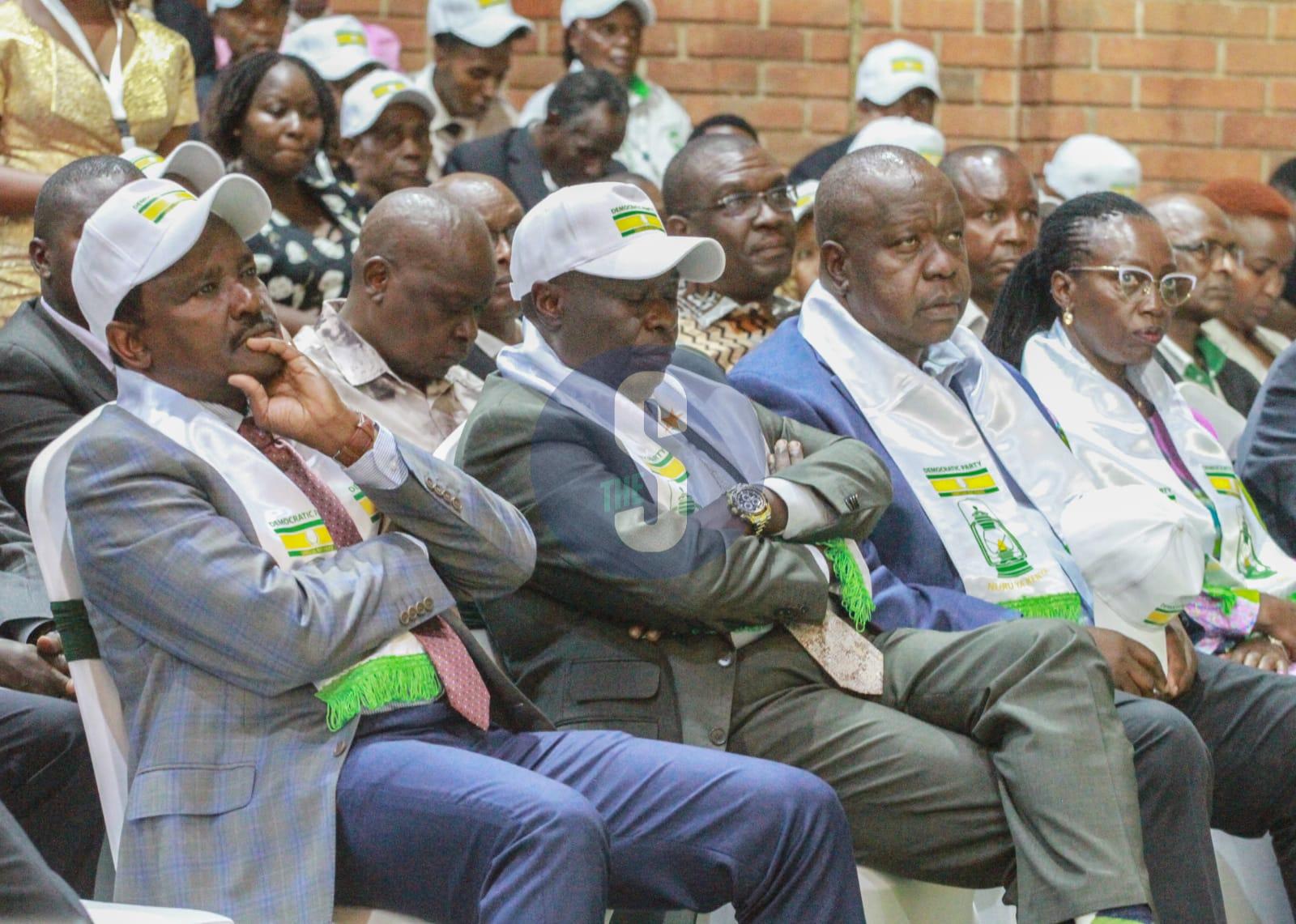
Second is the evolution of Northern Kenya’s own political leadership. Unlike previous eras characterised by fragmentation and clan-driven rivalries, a new generation of leaders is increasingly aligning around a shared regional agenda. Figures such as CS Health Hon.Aden Duale, H.E. Mohamed Adan Khalif, Governor Mandera ,H.E. Ahmed Abdullahi, Governor Wajir and Chair Council of Governors and Mandera Senator Hon. Ali Roba and UDM Party leader are increasingly shaping national conversations and positioning Northern Kenya as a critical pillar within Kenya’s political architecture.
These leaders represent more than political power; they symbolise a region finding confidence in its voice after decades of silence.
Third is the growing emergence of professionals from Northern Kenya who are serving in senior government positions with competence, loyalty, and strategic influence. From public administration to infrastructure planning, security, diplomacy, finance, and health, professionals from the region are now contributing directly to national governance and policy implementation.
This combination of political goodwill, visionary leadership, and professional capacity is creating a new trajectory for Northern Kenya.
The story of Northern Kenya
should no longer be told through the lens of drought, insecurity, and
underdevelopment alone. A different narrative is emerging — one of opportunity,
connectivity, inclusion, and strategic importance within the Horn of Africa.
After 63 years of independence, Northern Kenya is finally rising. Not by coincidence. Not by charity. But by design.
The writer is the County Executive Member for Lands and Urban Development-Mandera County.



![[PHOTOS] Red carpet in Pretoria as Ruto begins South Africa visit](https://cdn.radioafrica.digital/image/2026/06/abe3e750-6e5a-4394-a45c-899768be6240.jpeg)