


This year, Kenya marks its 63rd Madaraka Day celebrations in Wajir County, a historic and symbolic moment that carries profound meaning not only for the people of Northern Kenya, but for the nation as a whole.
Since the first Madaraka Day in 1963, commemorating the moment Kenya attained internal self-rule from British colonial administration, the annual celebration has stood as a reminder of freedom, dignity, authority, and self-governance. The very word Madaraka embodies power and the right of a people to determine their own destiny.
Yet, for the residents of Wajir and the larger Northern Kenya region, this year’s celebrations transcend the traditional national holiday festivities. They represent something far deeper: recognition, inclusion, hope, and the long-awaited promise of equal nationhood.
Across Wajir County, the atmosphere is unmistakable. From local leaders to ordinary wananchi, there is visible excitement, pride, and emotional connection to this year’s event. Streets are buzzing with activity, businesses are adorned with national colours, and communities are embracing the occasion with unmatched enthusiasm. It is not merely another Madaraka Day celebration; it is a moment many in the region feel they have waited for over a century to witness.
Indeed, even on a national scale, this year’s preparations appear unprecedented. Rarely has the country witnessed such immense mobilisation and infrastructural investment ahead of Madaraka Day celebrations. Northern Kenya, often overlooked in the country’s development discourse for decades, now finds itself at the centre of national attention.
The timing could not be more significant. Sixteen years after the birth of devolution under the 2010 Constitution, the fruits of decentralised governance are gradually transforming previously marginalised regions. In Wajir and across Northern Kenya, development is no longer an abstract promise but an emerging reality visible to the naked eye.
President William Ruto’s administration has undertaken deliberate and ambitious development initiatives that are reshaping the region’s infrastructure and economic prospects. Among the most notable is the continued tarmacking of the Isiolo–Wajir–Mandera road corridor — a critical artery expected to unlock trade, mobility, and regional integration.
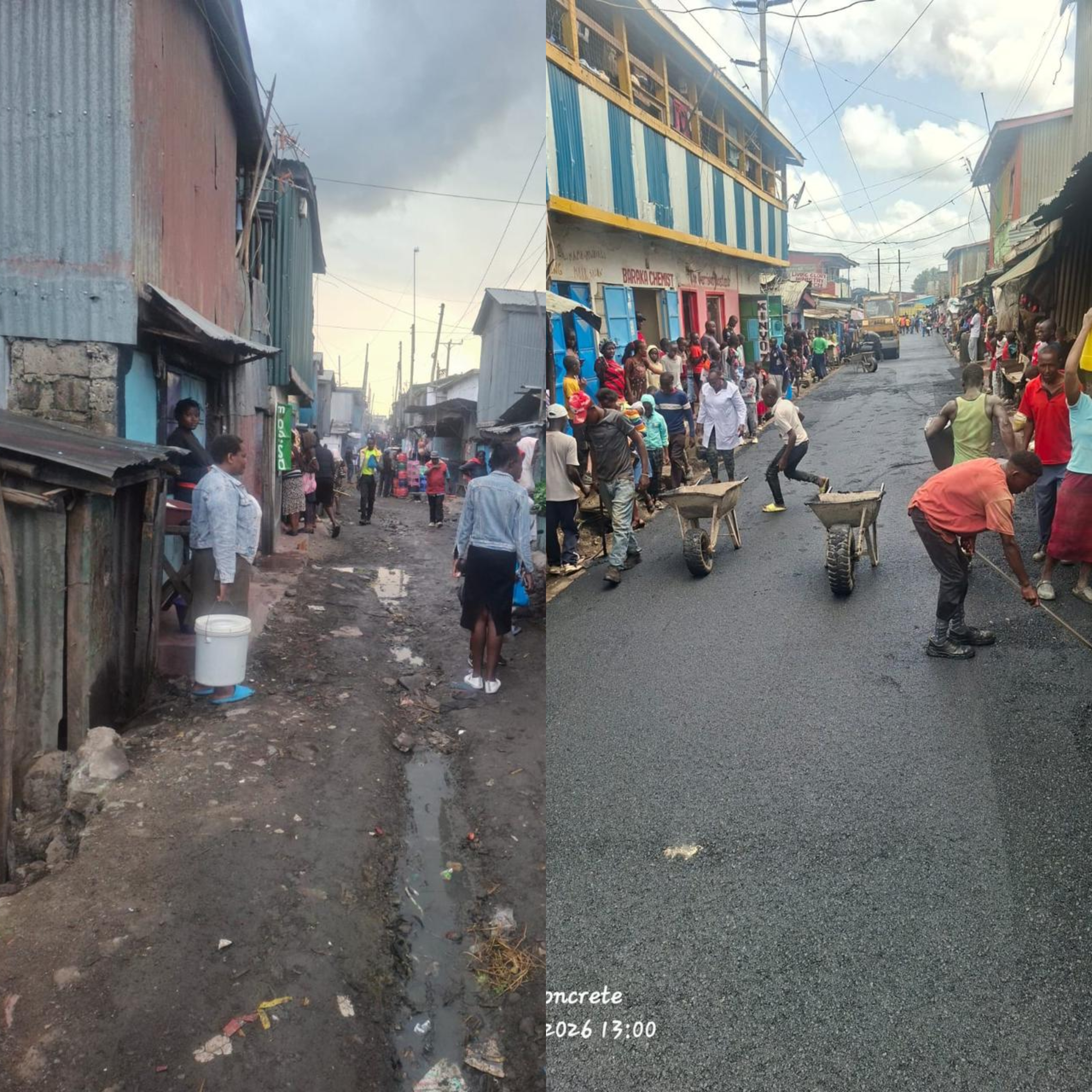
Equally remarkable is the rapid construction of a modern 10,000-seater stadium in Wajir within a record four months, an achievement that has captured national attention. In Wajir town alone, residents are witnessing over 140 kilometres of roads being tarmacked, alongside street lighting and auxiliary urban services — developments many say are being experienced for the very first time since independence.
For a region that has endured decades of neglect, underdevelopment, and limited state investment, these milestones are not ordinary projects. They are symbols of visibility, dignity, and belonging.
Devolution, too, deserves considerable credit. County governments across Northern Kenya have steadily expanded infrastructure, improved urban planning, enhanced drainage systems, and modernised healthcare facilities. In Wajir, according to the county government, investments in state-of-the-art health institutions have contributed significantly to reducing maternal mortality rates from nearly 1,000 deaths per 100,000 live births to approximately 402, a transformative achievement by any standard. These are not merely statistics. They are lives saved, opportunities created, and futures restored.
What Northern Kenya is celebrating this Madaraka Day goes far beyond the ceremonial speeches and public holiday associated with June 1st. It is the emotional and psychological affirmation that, finally, the region is taking its rightful place within the Kenyan story.
For many residents, this is the first tangible feeling of inclusion in the national fabric after generations of perceived exclusion. It is the belief that the journey toward equalisation with other parts of the country has genuinely begun.
That is why this year’s celebrations deserve applause from all and sundry, regardless of political affiliation or ideological divide. Development and national inclusion should never be partisan pursuits. They are the foundations upon which true nationhood is built.
As Kenya celebrates 63 years of self-rule, Wajir offers the country a powerful reminder that Madaraka is not merely about political independence. It is also about ensuring every citizen, regardless of geography, feels seen, valued, and included in the nation’s progress.
This year, the people of Northern Kenya are not simply celebrating Madaraka Day. They are celebrating hope. And perhaps, for the first time in a long while, they are celebrating the unmistakable feeling of belonging to one united nation.
Thank you, President William Ruto. And thank you, H.E. Governor Ahmed Abdullahi of Wajir County.
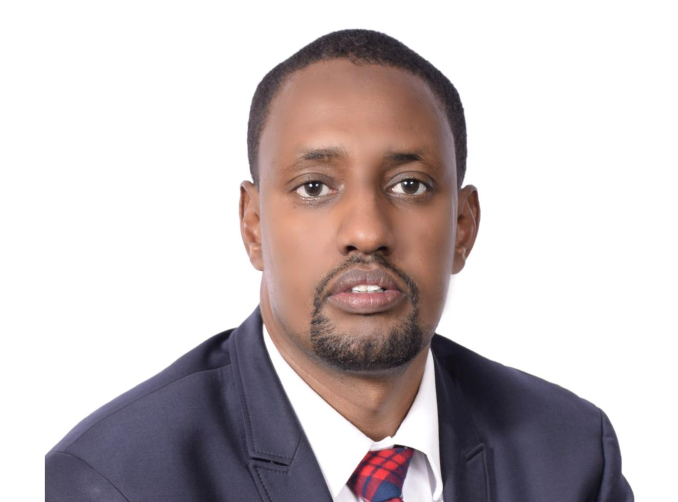
Mohamoud Dagane
The writer is a governance & public policy expert and former CECM for Roads, Transport and Public Works, Nairobi City County.
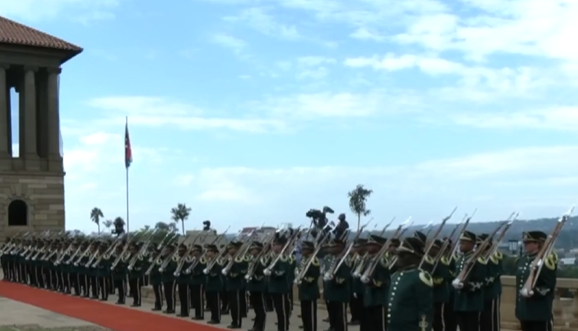


![[PHOTOS] Red carpet in Pretoria as Ruto begins South Africa visit](https://cdn.radioafrica.digital/image/2026/06/abe3e750-6e5a-4394-a45c-899768be6240.jpeg)