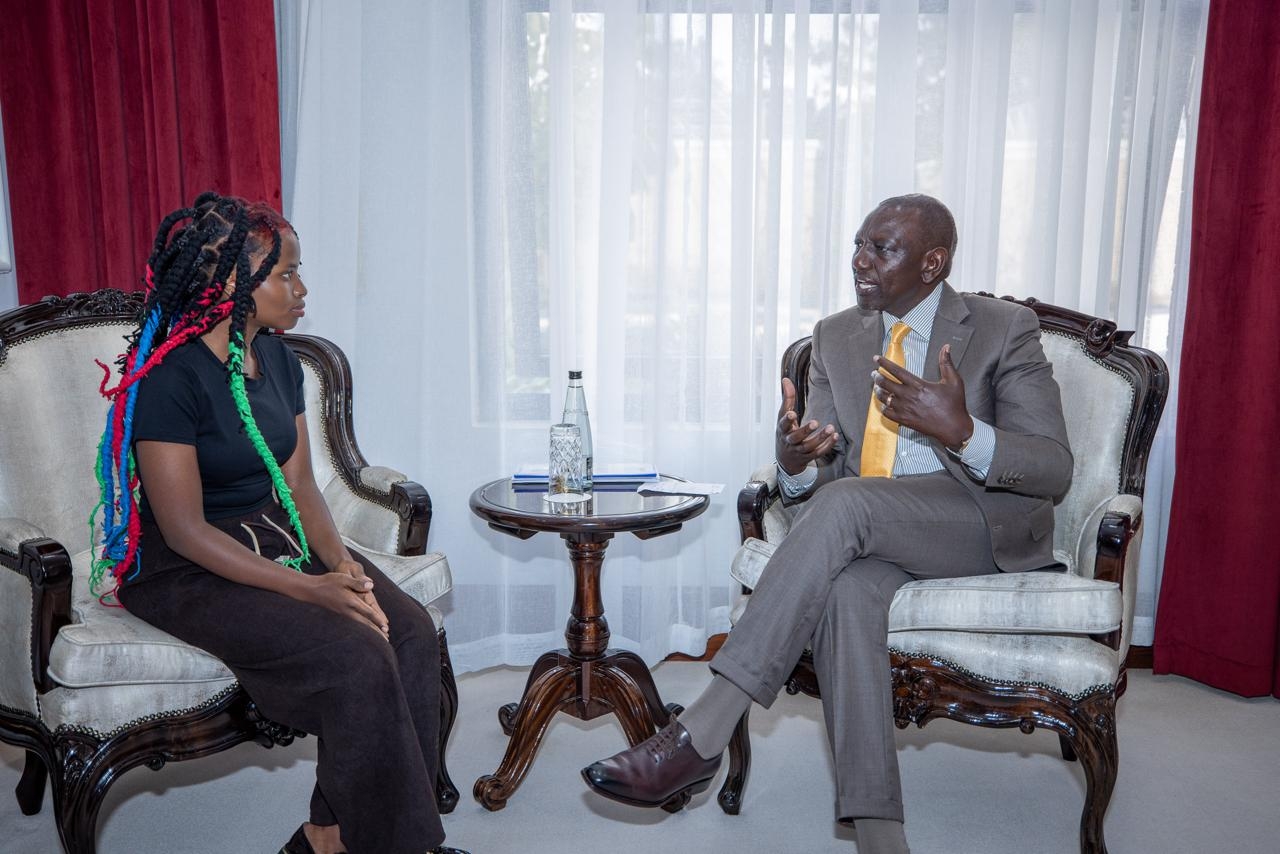



 Queenter Mbori, ED, Association of Media Women in Kenya (AMWIK)/HANDOUT
Fifteen years after Kenya’s transformative 2010 Constitution established the not-more-than-two-thirds gender principle, the goal of fair political representation seems distant.
Women hold only 23.9% of parliamentary seats, which falls short of the required
constitutional threshold. With the 2027 General Election approaching, this gap
highlights both a lack of progress and a significant betrayal of democratic
ideals that require strong, enforceable action.
The Association of Media Women in Kenya (AMWIK) report, Fifteen Years On: An Evaluation of Kenya’s Women Political Representation in Relation to the Two-Thirds Gender Rule, provides a troubling assessment.
It reveals a network of barriers: a patriarchal political culture, filled with violence and intimidation against women candidates; parties that overlook women during nominations; and prohibitively high campaign costs that financially exclude them. These systemic issues have hindered progress, turning constitutional goals into ongoing exclusion.
Kenya's situation is even more pronounced when compared to other countries in the region. While our multi-party democracy is vibrant, we lag our East African neighbours in actual gender representation. Rwanda leads globally at 61% after the 2024 elections, Tanzania remains at 37.4%, and Uganda at 34.1%.
The difference lies in their move from hopeful ideals to strong systems like minimum 30% quotas written into law, special electoral colleges in Rwanda, and performance-linked proportional lists in Tanzania. Kenya’s competitive model seems admirable, but without strict enforcement, it offers more illusion than reality.
The AMWIK report outlines a clear path and a strategy to compliance to the ‘two-thirds’ in due course. To move the needle, Parliament must pass laws that combine direct elections with reserved seats, particularly at the county level. It should also advocate for gender-balanced tickets for presidential and gubernatorial races, ensuring running mates of the opposite gender.
The Office of the Registrar of Political Parties (ORPP) should link party funding to gender-responsive nomination rules, supported by penalties for non-compliance.
The Independent Electoral and Boundaries Commission (IEBC) should enforce these rules as conditions for elections. To eliminate financial barriers, the IEBC needs to set limits on nomination fees and campaign spending, while Parliament should strengthen swift justice against gender-based political violence.
Women themselves can play a crucial role in shifting the balance. The report indicates that more women running for office leads to better outcomes, especially when candidates consistently run in the same constituency to boost visibility.
Aspiring candidates should strategically use digital and mainstream media to counter biased narratives that focus on traditional societal roles instead of leadership skills. Clear guidelines for gender-responsive coverage that highlight manifestos and qualifications would enhance this effort, making media a powerful tool in elections.
The 2027 election represents the next test of our constitution. Leaders, political parties, and electoral bodies must commit to making the Two-Thirds Principle a priority, transforming Kenya from a place of high expectations to one of real inclusivity.
The AMWIK report is available here: https://amwik.org/wp-content/uploads/2025/12/AMWIK-RESEARCH-FINAL.-1.pdf
The writer is the, Executive Director, AMWIK