


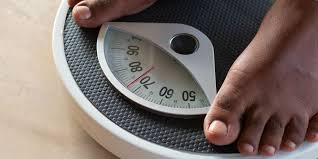
Successful weight management goes beyond dieting; it requires a purposeful combination of healthy eating and regular physical activity.
Although many people express a desire to lose weight, research shows that only about half of those attempting weight loss actually engage in physical activity.
Even more concerning, only half of the active group meets the minimum recommended levels of exercise for meaningful health benefits.
To prevent weight gain and support weight loss, experts recommend incorporating at least 30 minutes of moderate-intensity physical activity each day, on top of normal daily movements.
Although this commitment may seem small, its impact on long-term health and weight outcomes is significant.
One of the most effective strategies for sustainable weight management is pairing a balanced eating plan with consistent physical activity.
Individuals who combine diet and exercise tend to lose more body fat, preserve more lean muscle mass, and are less likely to regain lost weight compared to those who rely on dieting alone.
Even when weight loss is similar between the two groups, people who incorporate exercise often stay committed to their diet plans longer and maintain their progress more effectively.
Physical activity offers benefits that extend far beyond the number on the scale.
Regular movement helps the body expend more energy while simultaneously encouraging better dietary control.
More importantly, exercise has powerful metabolic and cardiovascular effects that improve health even when weight loss is minimal or absent. Individuals who exercise consistently often experience reduced abdominal fat, improved insulin sensitivity, better blood pressure control, and enhanced cardiorespiratory fitness all factors that lower the risk of chronic diseases.
A common question for many people is: What type of physical activity is best? The answer is simple—choose something you genuinely enjoy.
Whether it is brisk walking, dancing, swimming, cycling, aerobics, home workouts, or team sports, the most effective physical activity is one you can perform regularly and enthusiastically. Enjoyment increases consistency, and consistency is what drives results.
Similarly, the schedule or format of exercise is highly flexible. It does not matter whether someone prefers a single continuous 30-minute session or several shorter bursts spread throughout the day. Studies show that both approaches offer comparable fitness and weight-management benefits.
The key is simply to stay active and avoid prolonged periods of sitting.
Even light physical activity is better than none. Small steps; choosing the stairs, completing household chores briskly, walking to nearby destinations, or stretching between tasks can accumulate into meaningful improvements over time.
In a world where sedentary lifestyles and unhealthy eating habits are increasingly common, integrating physical activity into daily life is both a practical and essential approach to achieving a healthy weight.
Combining mindful food choices with enjoyable, consistent exercise supports
long-term weight control, enhances overall well-being, and builds a stronger
foundation for lifelong health.
The
writer: A licensed nutritionist and health educator.