Bill bans out-of-court settlement for sexual offences
Gender rights advocates have been against traditional mechanisms, arguing they re-traumatise victims by subjecting them to biased processes
by MOSES OGADA
Audio By Vocalize
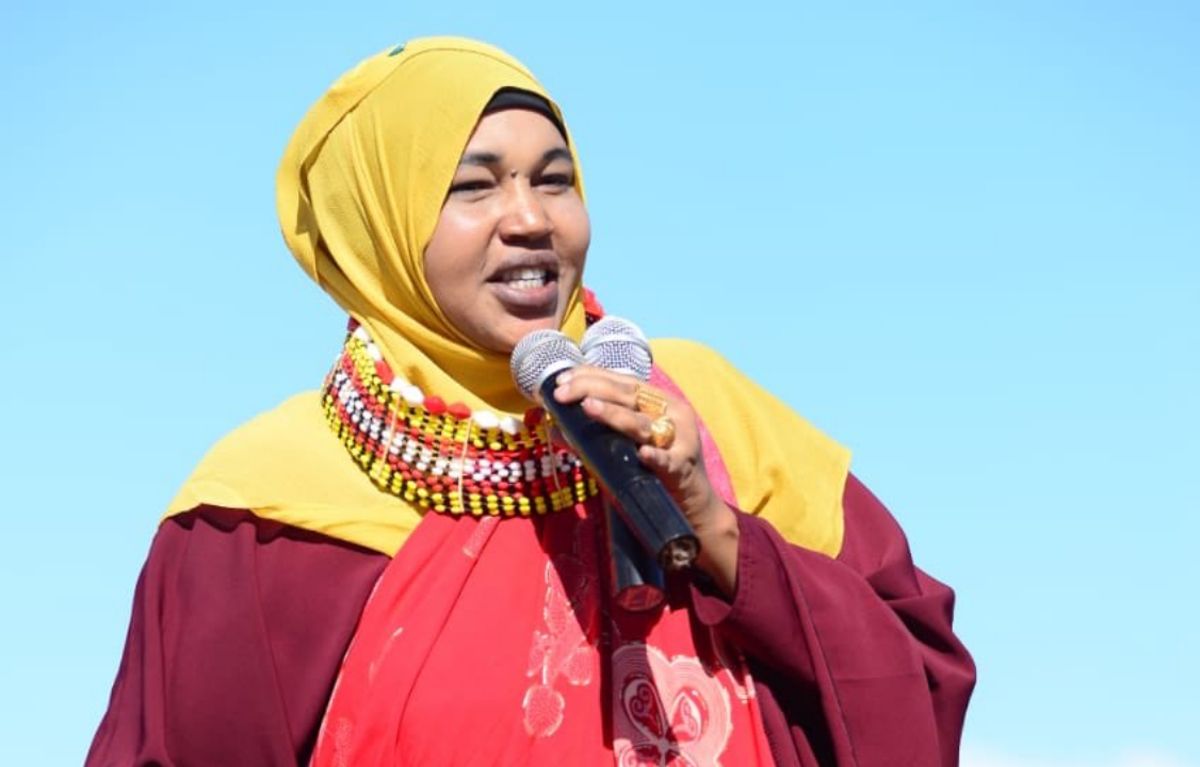
Garissa Woman
Representative
Udgoon Kuno
/HANDOUT
Persons implicated in sexual offence crimes will have to clear their names in court following a new legislative proposal which seeks to reshape how such cases are handled.
The new Bill seeks to outlaw all out-of-court settlements and to have such crimes prosecuted exclusively through the formal judicial system, just as other capital crimes are.
The Sexual Offences (Amendment) Bill, 2025, sponsored by Garissa Woman representative Udgoon Kuno, introduces a single, but significant, change to the existing law.
“Notwithstanding any other written law, the offences specified under this Act shall be prosecuted exclusively through the judicial system,” the proposed law reads.
The Bill introduced in the National Assembly further declares, “Any agreement, settlement, or process purporting to dispose of offences under this Act outside the formal judicial process shall be void and of no legal effect”.
If enacted, it could bring an end to the longstanding, controversial practice where perpetrators of sexual assault negotiate private settlements with victims or their families to avoid criminal charges.
In many cases, the affected parties leverage wealth, social status or community pressure to have victims let go of their claim for justice for the heinous sexual crimes.
The arrangements, sometimes involving elders or community leaders, have seen cases withdrawn from the police or from the courts, denying the victims formal justice and allowing the perpetrators to escape state punishment.
Udgoon says the Bill is to “strengthen the legal framework governing the prosecution of sexual offences in Kenya”.
“The Bill seeks to ensure that offences specified under the Sexual Offences Act are adjudicated exclusively through formal judicial processes,” she said.
The amendment will safeguard the rights of victims from processes that are repugnant to justice and morality.
“It is to ensure that justice is administered in a manner consistent with the constitution,” Udgoon said in the bill’s memorandum of objects and reasons.
In the current law, it is incumbent upon the Director of Public Prosecutions to decide whether police investigations (into sexual offences) should be continued.
“The decision as to whether the prosecution or investigation by any police officer of a complaint that a sexual offence has been committed should be discontinued shall rest with the Director of Public Prosecutions,” it reads.
This means that the DPP’s office and all other parties would be bound and prohibited from accepting any alternatives to a full trial.
The constitution provides for alternative justice systems, but says traditional dispute resolution mechanisms shall not be used in a way that contravenes the Bill of Rights.
Gender rights advocates have long condemned out-of-court settlements in sexual offence cases, arguing they breed a culture of impunity and re-traumatise victims by subjecting them to biased processes.
Their main outcry has been that traditional mechanisms provide an escape route for perpetrators.
Cases of negotiations have been reported and where families fail to cooperate, evidence has been interfered with, sometimes made to disappear.
Chief Justice Martha Koome, in September, posited that sexual offences in Kenya amount to crimes against humanity.
While calling for citizen action, she argued that such acts remain unacceptable under the law, religious teachings and cultural norms.
MPs’ attempts to legislate measures to fill the evidential gaps and ensure justice for victims have failed on many occasions.
Githunguri MP Gathoni Wamuchomba’s proposed law that would have staged a regime for tight handling of evidence in sexual offences cases did not see the light of day.
Most recently, MPs rejected a proposed law which was aimed at criminalising sextortion—a form of blackmail where someone threatens to share sexual images unless you meet their demands.
Ex-Busia Woman representative Florence Mutua’s bid to prohibit plea bargaining in sexual harassment cases also hit a snag.
A task force, which was formed to look into femicides in the country, also decried the legal lacunae and proposed radical steps, including chemical castration of perpetrators.
The team said they were frustrated by out-of-court settlements that hindered the prosecution of defilement, rape and sodomy.
It asked MPs to pass a law “explicitly prohibiting informal or customary resolution of criminal gender-based violence, including femicide and sexual offences”.
INSTANT ANALYSIS
For now, the proposal stands as one of the most significant legislative interventions against sexual violence in recent years, aiming to slam shut what many see as a glaring loophole in Kenya’s pursuit of justice for survivors. Its passage is likely to spark intense debate, pitting reformers and rights groups against those who may defend certain cultural practices or express concerns over the practicality of prosecuting every reported case.
This is premium content
Subscribe to Continue Reading
Help us continue bringing you unbiased news, in-depth investigations, and diverse perspectives. Your subscription keeps our mission alive and empowers us to provide high-quality, trustworthy journalism. Join us today to make a difference!