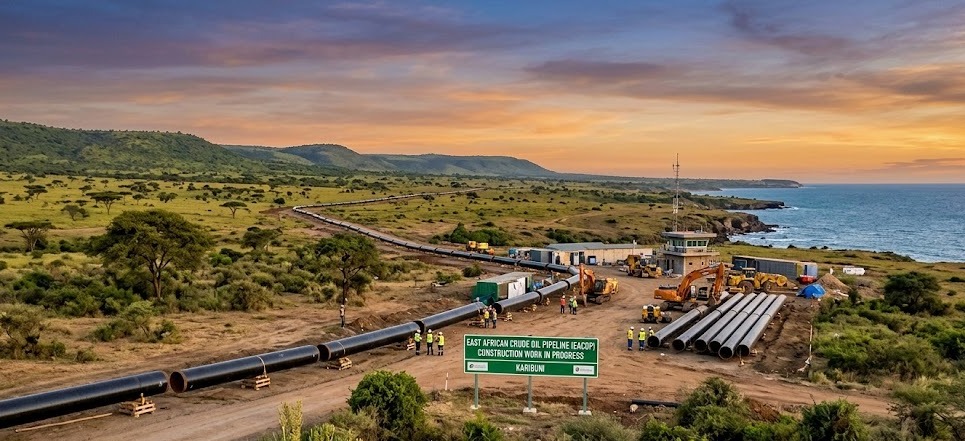
For a country that generates nearly 90 per cent of its electricity from renewable sources, Kenya remains trapped in an expensive dependence on imported fossil fuels.
Every year, billions of shillings leave the economy to pay for petrol, diesel and coal, while taxpayers shoulder the cost of fuel subsidies whenever global prices spike. This is neither economically prudent nor strategically sustainable.
The latest report should serve as a wake-up call. It challenges the seductive but flawed argument that oil extraction will rescue Kenya from its debt burden.
The numbers tell a different story.
The country's greatest wealth lies not beneath its soil, but in its ability to innovate, manufacture and harness its abundant renewable energy resources.
The transition away from fossil fuels must, however, be deliberate and carefully managed. It should protect livelihoods while redirecting public investment towards clean energy, climate-smart agriculture, green manufacturing and the digital economy.
These sectors promise jobs, resilience and long-term economic stability.
Kenya has already demonstrated continental leadership in renewable electricity. What has been missing is the political courage to align fiscal policy, industrial development and energy planning with that reality.
The question is no longer whether Kenya can afford to transition from fossil fuels. It is whether it can afford not to.
Quote of the Day: "Anything is better than stagnation." —British author Arthur Conan Doyle, who brought Sherlock Holmes to life twice, died on July 7, 1930