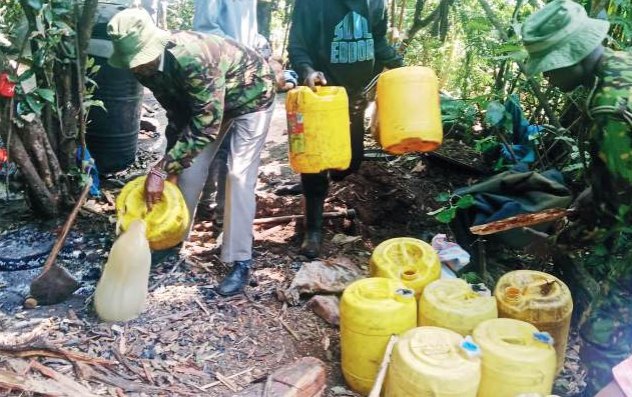
With a population of 54 million, 15 million Kenyans lack access to safe water according to data from the World Bank’s World Development Indicators.
Water is a fundamental resource for life on Earth. Still, it can also be a source of tension and conflict, particularly in regions where it is scarce or where its allocation is contested.
Water resources, particularly rivers and lakes, often cut across national boundaries, making them shared assets for multiple countries. These shared resources are essential to the lives of many and underpin various sectors, including agriculture, energy and health.
As populations grow, climate change intensifies and the demand for water resources escalates, the need for collaborative approaches to water management has never been more urgent.
The philosophy of water cooperation espouses peaceful and effective cooperation to develop these shared waters. It is an essential public good that requires local, national, regional and international commitment to ensure the peaceful management and use of freshwater resources among various players and sectors.
The theme for this year’s World Water Week, Bridging borders: Water for a peaceful and sustainable future, is an essential tool for addressing the complex challenges of water scarcity, environmental degradation and geopolitical tensions.
Kenya has multiple water bodies that span international boundaries and support numerous communities. Without cooperation, these shared resources can become sources of tension and conflict. Water cooperation for us would require the support of multiple stakeholders of our resources. We must engage communities, the private sector, the government and regional and international bodies to manage our resources better.
Effective water management ensures that people have access to enough clean water for drinking, cooking, sanitation and hygiene, which are essential for health and well-being. Access to clean water and sanitation is a fundamental human right and a key determinant of health and well-being.
Effective management includes measures to prevent and control water pollution from industrial, agricultural and urban sources, protecting the environment and public health.
Furthermore, sustainable development is inextricably linked to the availability and quality of water. Practical water cooperation enables communities to manage their water resources to balance economic growth, environmental protection and social equity.
Integrated water resource management, which involves coordinated efforts across agriculture, industry and urban planning sectors, is crucial for achieving the Sustainable Development Goals.
Water cooperation is not just a technical or environmental issue; it is a cornerstone of peace, sustainability and human well-being. By fostering collaboration over competition, protecting ecosystems and ensuring equitable access to water, we can build a future where water resources are managed sustainably, and all people can thrive.
As the pressures on our planet’s water resources continue to increase, the importance of these efforts to properly manage and develop them is growing. We should not take this dilemma lightly and encourage continued engagement and cooperation beyond this week’s celebrations.
Group Corporate Relations director EABL