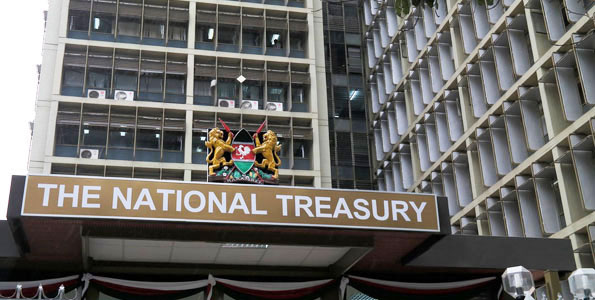
In the coming weeks, Kenya’s Treasury faces a slew of financial demands on the public purse; covering recurrent expenses, disbursing capitation grants to public schools, addressing the shortfall in university funding, supporting county governments, and servicing our debt, particularly to China. Kenya’s finances are stretched to the breaking point, and the risk of defaulting on our debt is alarmingly high.
As the Finance Bill returns to Parliament, Kenyans must brace for the repercussions that lie ahead, particularly for county governments. For context, in the last Parliament, the Senate went through 11 sessions to agree on how the money should be divided among the 47 counties.
This painstaking process resulted in the Third Generation Formula, which established a base allocation of Sh370 billion to counties. However, the Treasury later attempted to inflate this figure by bundling conditional and unconditional grants into the shareable revenue, an accounting trick that was swiftly detected and rejected by the Senate.
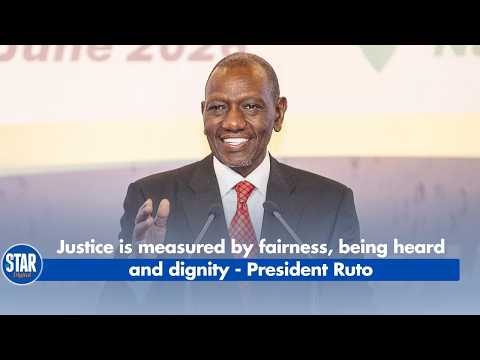
The Division of Revenue Bill allocates funds between the national and county governments while the Commission on Revenue Allocation advises on the amount that should be allocated to the counties, a process that requires thorough deliberation in both the Senate and the National Assembly. At the moment, President William Ruto has refused to sign the County Allocation of Revenue Act, the legislation that determines each county government's equitable share of revenue.
With the Senate Majority leader now having tabled an amendment to the Division of Revenue Act in the Senate, two potential outcomes are likely. Senators could either assert their authority by rejecting the National Assembly's position, triggering a mediation process or, as they did in the case of Meru Governor Kawira Mwangaza’s disgraceful impeachment, they might capitulate and pass the Bill, effectively denying counties their rightful funds.
The attempts to amend the Division of Revenue Bill are unprecedented. In my view, the Kenya Kwanza brigade is resorting to an extraordinary legislative manoeuvre to cover up its embarrassing mishandling of the Finance Bill, 2024.
This backdoor tactic is not only unconscionable but also unconstitutional, as it violates Article 219 of the Constitution, which mandates that a county’s share of revenue be transferred “without undue delay and without deduction”.
By seeking to shift the financial burden onto county governments whenever there is a revenue shortfall, the national government is abdicating its constitutional responsibilities and undermining devolution.
We are in a governance crisis. The Kenya Kwanza government, which claims to support devolution, has shown through its actions that it does not. Senators aligned with the government appear more concerned with toeing the party line than with fulfilling their mandate to protect county interests. They blindly support Ruto’s directives, often without understanding the broader implications.
Counties have not received their allocations for July and August, and there is little hope they will receive anything for September. The ripple effects are being felt across the country; from unpaid salaries to severely reduced services at county hospitals and stalled development projects. Only a few counties, like Narok and Nairobi, which have their own revenue streams, can manage to keep their heads above water.
The remedy to this quagmire is straightforward. First, Ruto must sign CARA as it stands and ensure that any revenue shortfall is absorbed by the national government. Furthermore, the national government must relinquish control over devolved functions like healthcare.
County governments must also enhance their revenue collection capabilities. Each county needs to conduct spatial planning to assess the number of buildings and properties within its boundaries. This will enable them to accurately estimate their potential revenue from real estate.
This requires strategic planning and better data management to understand the full potential of local businesses and properties. The Kenya Revenue Authority will play an indispensable role in this effort.
Additionally, during the Intergovernmental Budget and Economic Council meetings, governors must stand firm and not succumb to pressure to accept reduced allocations. They should insist on fair and adequate funding, ensuring that counties can continue to deliver services to their residents.
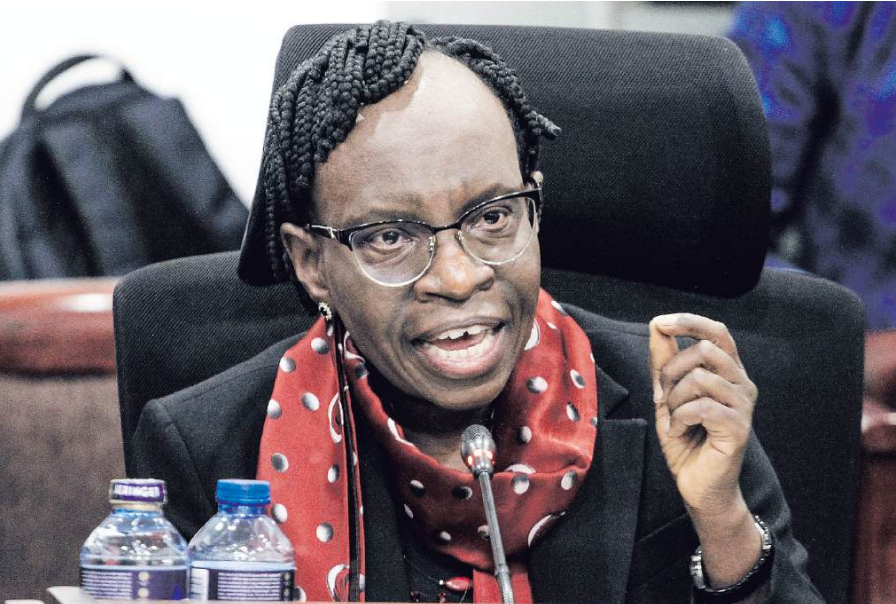
Minority Whip of the Senate and senator of Narok county