

Micro, small and medium-sized enterprises operating in arid and semi-arid areas have been hard hit by the devastating effects of climate change. This is besides financial, technological, regulatory and other challenges.
Yet, MSMEs remain critical to the economic development of most sub-Saharan countries, especially during these times when the world is recovering from the effects of Covid-19 and as the impacts of climate change continue to press world economies.
According to the United Nations, MSMEs account for 90 per cent of businesses, 60-70 per cent of employment and 50 per cent of GDP worldwide, making them a critical part of development in most sub-Saharan countries.
Besides job creation, they can be a significant contributor to the economic transformation of most economies if well-structured and supported. Thus, the UN General Assembly designated the day for awareness creation on the contributions of MSMEs to the achievement of the Sustainable Development Goals, especially SDG 8 (decent work and economic growth) and SDG 9 (industry, innovation and infrastructure.)
In most sub-Saharan countries, most formal jobs are generated by MSMEs, making them key in the development of countries in the future. However, despite the contributions of MSMEs to economic growth and their futuristic potential, several challenges continue to rock them. The challenges are compounded for those in ASALs.
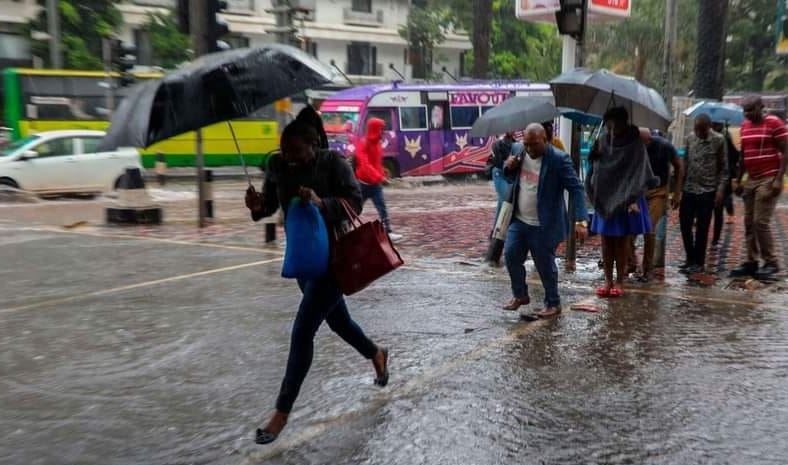
The vulnerability of ASAL areas to climate change in terms of droughts, floods and other extreme weather events further strains the development of MSMEs in these regions. As such, those engaged in livestock rearing, agriculture, small-scale industrial development and other entrepreneurial activities face frequent disruptions, leading to less productivity.
Additionally, MSMEs in ASALs contend with inadequate infrastructure, financial issues and low technological advancements, further straining their abilities to break even and make profits. These MSMEs are disproportionately affected hence providing no help to their communities.
To foster the growth and resilience of MSMEs in ASAL areas, efforts from all stakeholders need to be put into account. There is a need to include the national and local governments, different policymakers, county and national financial institutions, and the community.
Our very first step is to advocate policies that empower them to ensure that they are sustainable and at the forefront of contributing to the development of their communities. Secondly, it would be essential to bring up supportive initiatives best suited to overpass the climatic challenges of the MSMEs in ASALs.
Thus, there is a need for capacity building of MSMEs and the provision of financial support in terms of grants, insurance and climate-smart loans. Capacity building sessions like training and technical assistance, including innovative crop and animal farming techniques and other sustainable practices, would empower MSMEs.
There is a need for deliberate efforts to ensure partnerships in research between humanitarian actors, organisations in research and other institutions to ensure the development of innovative approaches to empowering MSMEs
Priority needs to be made in enhancing access to markets for ASAL MSMEs in collaboration with private sector actors and establishing linkages with other organisations. Creating market opportunities and raising awareness for unique ASAL products is an inclusive way of promoting fair trade practices.
Besides this and as in other already established cities throughout Africa, establishing incubators and entrepreneurship hubs will provide the MSMEs with training programmes and mentorship opportunities to develop their ideas.
Innovative approaches can fully unleash the potential of so many aspiring entrepreneurs and MSMEs. Mobile banking, for instance, has a great potential to initiate financial inclusion for MSMEs because of its quick and relatively cheap services.
MSMEs in ASALs continue to face severe challenges as climate change intensifies, affecting most sub-Saharan countries. There is a need for governments, humanitarian actors and other stakeholders to prioritise access to financial support, capacity-building, and technological support to empower ASAL MSMEs. Moreover, we must advocate policies that strengthen entrepreneurship for women and youth.