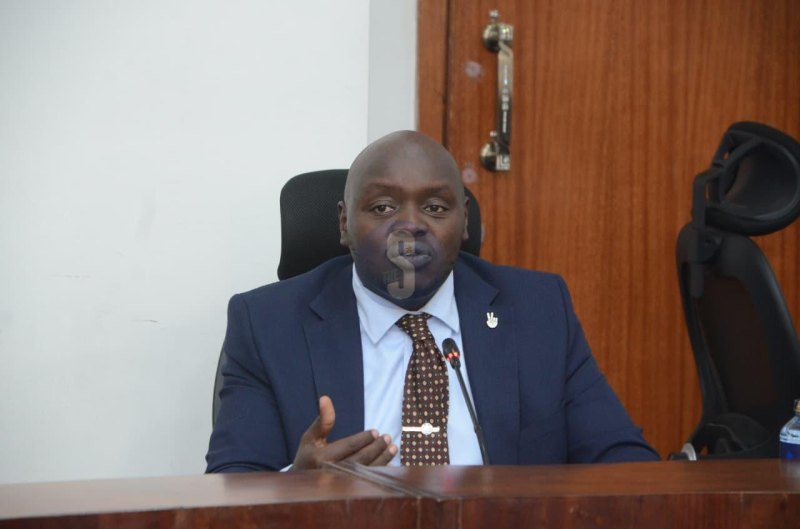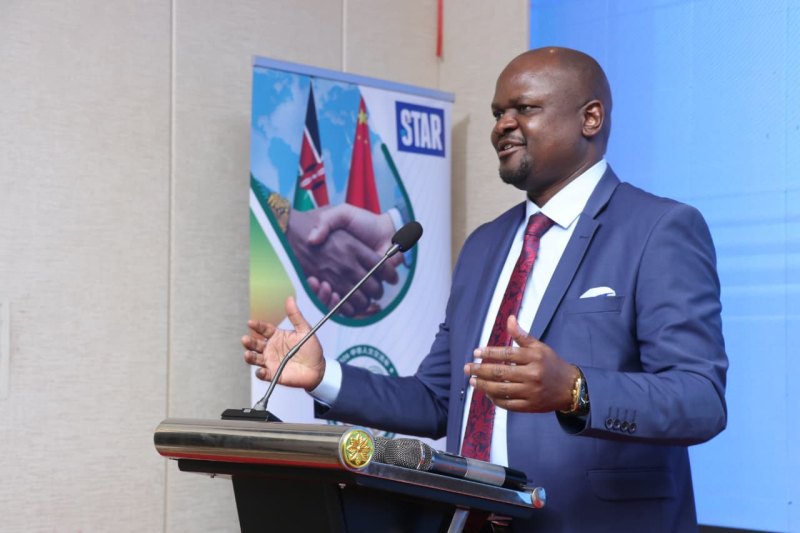
(Keynote Speech by Paul Ilado at the Seminar on China-Kenya People-to-People Connectivity hosted by the Star Publications Limited on June 11, 2026)
Good morning, everyone, and thank you for making time to attend the very first Star event on diplomacy.
I’m grateful to see so many familiar faces from across the media fraternity—journalists, editors, and friends. Events like this don’t happen by accident; they happen because the people in this room believe that media can do more than report events. It can also help shape understanding.
Today’s seminar is focused on a very important theme: the media’s role in fostering people-to-people connectivity, using the Kenya-China relationship as our case study. In simple terms, we are asking: How do we help Kenyans understand each other better? How can we help Kenyans understand China and help the Chinese understand Kenyans better? Not only through official meetings and press releases, but through the stories, voices, and shared experiences that bring ordinary people closer.
For us journalists, this theme matters for one key reason: we are trusted. When we interview a farmer, a business owner, a student, or a city county official, we influence how our audience thinks and feels. Diplomacy is sometimes seen as something done by governments. But people-to-people connectivity is what makes diplomacy real and lasting. It builds familiarity, reduces suspicion, and encourages cooperation.
Why has China become an important part of Kenya and our society? Many Kenyans will answer in different ways—through infrastructure, technology, trade, and investment. But underneath all of that is a deeper story: China has become part of Kenya’s journey toward development. And that is exactly why the media has a duty to cover the relationship with balance, accuracy, and context. People deserve to know both the opportunities and the challenges—not only the headlines.
So what is our role in diplomacy and development? First, we must inform. Second, we must connect—meaning we should highlight human stories, not just politics. Third, we must question responsibly. Development projects, business partnerships, and cultural exchanges should be reported fairly, with facts, and with respect for the communities involved.
The question we may ask is: what do the Chinese in Nairobi and Beijing think about the media and its role in people-to-people connectivity? My observation is that many of them value media engagement that is accurate, respectful, and consistent. They want their intentions and efforts understood, and they want misinformation challenged quickly. But more importantly, they want platforms where Kenyans can see the real people behind the headlines—the engineers, teachers, entrepreneurs, and learners.
How can the media help enhance economic cooperation? By telling stories that build confidence: success stories of collaboration, profiles of Kenyan innovators working with partners, and clear reporting on opportunities—such as investment, skills transfer, and trade links. When accurate information circulates, businesses move with less fear and more clarity.
Of course, we must also talk about media ethics and editorial leadership—especially in a changing media landscape where misinformation spreads fast and audience attention is fragmented. Editorial leadership means setting standards: verifying facts, maintaining balance, giving voice to all sides, and resisting sensationalism. It also means journalists should remember that every story shapes relationships beyond our borders.
Let me end with an example from our own media house. At Radio Africa Group—including The Star—we have been working closely with the Embassy of China in Nairobi. Together, we’ve created opportunities for cooperation that have transformed many of our staff’s views of China. Today, we have many journalists who have visited China, understood the culture directly, and built working relationships. That exposure matters because it improves how we report—less assumption, more understanding.
Thank you once again to all of you for coming. I hope today’s discussions will leave us with practical ideas on how to strengthen people-to-people connectivity, deepen Kenya–China relations, and uphold the highest standards of journalism.
Asante Sana.
Paul Ilado is the Radio Africa Group Editorial Director