Wajir County’s hosting of the 63rd Madaraka Day has emerged
as a defining symbol of Northern Kenya’s economic reawakening. As Wajir
prepares to host the first Madaraka Day celebration in the former Northern
Frontier District (NFD), President Ruto’s inclusivity agenda is finally
transforming a region long left on the margins since independence.
For the first time since Kenya gained independence, Madaraka
Day celebrations will be held in the former Northern Frontier District. On June
1, 2026, all eyes will turn to Wajir County—a region that, for decades,
symbolised state neglect but now stands at the frontier of a new economic dawn.
This moment corrects a historical omission. Founded by the
British colonial administration in 1912, Wajir is the third-oldest town in
Kenya, after Mombasa and Malindi. Despite its deep historical roots and
strategic location in the heart of the former NFD, the region remained largely
disconnected from the national mainstream for over five decades following
independence. While other parts of the country developed rapidly, Northern
Kenya’s vast potential—including Wajir International Airport, which boasts the
third-longest runway in Kenya after JKIA and Moi International Airport—remained
largely untapped. That narrative is now being rewritten.
For residents of the NFD, the 2010 Constitution and the
advent of devolution represented a second liberation. The 63rd Madaraka Day
anniversary in Wajir will mark what many call the region’s “third
independence”—a recognition that political marginalisation is finally being
replaced by tangible economic inclusion. At the center of this transformation
is President William Ruto’s economic inclusivity policy, which treats Northern
Kenya not as a peripheral afterthought but as a core pillar of national growth.
Unlike his predecessors—President Jomo Kenyatta (who never
visited the region), President Mwai Kibaki (who visited once), and President
Uhuru Kenyatta (who visited once, primarily for campaigns)—President Ruto has
become the most frequent visitor to the NFD since the 2010 Constitution. His
consistent presence signals a fundamental shift: Northern Kenyans are bona fide
citizens entitled to the same government services as those in Central, Western,
Rift Valley, Nyanza, Eastern, and Coast regions.
It is worth noting that the late Rt. Hon. Raila Amollo
Odinga also demonstrated a genuine commitment to the region, frequently
visiting Northern Kenya. Together with President Ruto—during their time in the
Grand Coalition Government (Nusu Mkate)—they established the affirmative
action–based Ministry of Northern Kenya, appointing Hon. Mohamed Elmi as its
first minister. Whether the ministry fully achieved its mandate remains open to
debate, but the foundation for structural inclusion was laid.
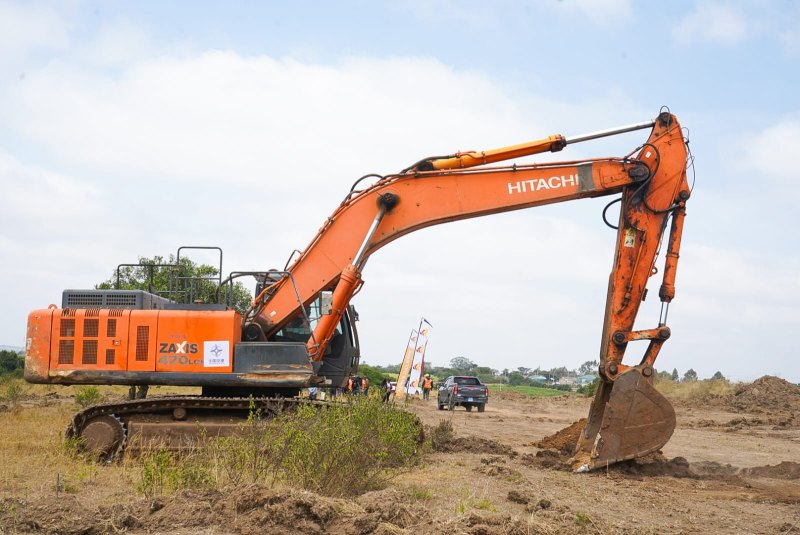
As President Ruto’s first term draws to a close, the
physical landscape of Wajir and its neighboring counties is being reshaped
through transformative infrastructure, most notably the Horn of Africa Gateway
Project. The flagship Isiolo–Modogashe–Wajir–Mandera Road (740 km) is nearing
completion. Funded by the World Bank as a backbone project under the North
Eastern Development Initiative (NEDI), this road will finally link Wajir and
Mandera to Ethiopia and Somalia, transforming the region into a cross-border
trade corridor.
Alongside this, a range of complementary projects is
underway, including the Wajir Sanitation Development Project, off-grid and
hybrid solar initiatives with plans to connect to the national grid from
Garissa or Ethiopia, the Underground Water Project, and the Kenya Urban Support
Programme for Wajir Municipality, funded by the World Bank.
President Ruto has gone further, issuing a series of
directives that will permanently alter the region’s civic and economic
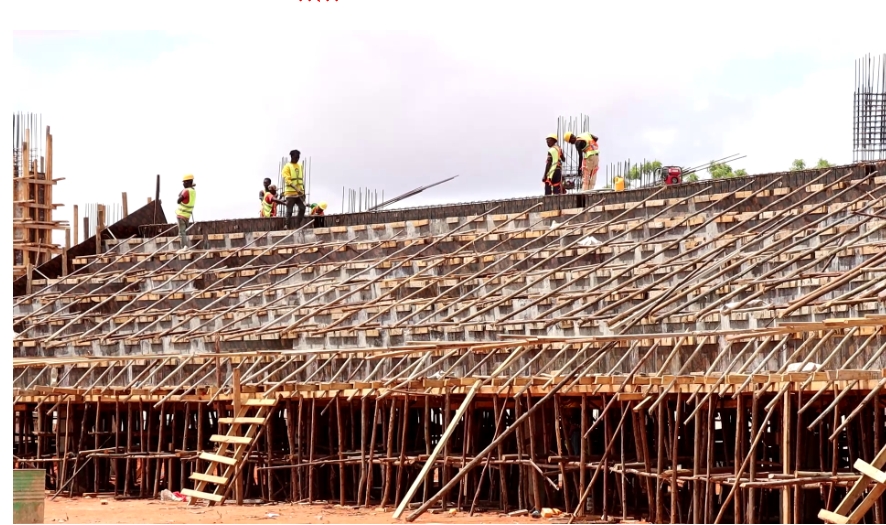
identity. These include a state-of-the-art stadium—the Mini Raila Odinga
Talanta Stadium—which will be the first modern sports facility of its scale in
the NFD. He has also ordered the construction of the first State Lodge in the
Northern Frontier Region, symbolizing a permanent presidential presence in the
north.
Another directive is the commercialisation of Wajir
International Airport, aimed at unlocking its full potential for passenger and
cargo flights and enabling direct livestock and value-chain exports to Middle
Eastern markets. Additional projects include affordable housing, modern
markets, and the upgrading of the Griftu Livestock Training Institute (World
Bank-funded) into a potential Wajir University College.
In a strategic move, the President has also initiated steps
to reopen the Kenya–Somalia border along the Mandera–Wajir–Garissa corridor.
With Somalia now a member of the East African Community (EAC), the border is no
longer solely a security concern but an economic gateway. Wajir is poised to
become a hub for trade with Somalia, opening new markets for Kenyan goods and
services.
The current Governor of Wajir—the first Chairperson of the
Council of Governors (CoG) from the NFD and a former Vice Chair, now serving
his final term—has demonstrated transformative leadership. Under his tenure,
President Ruto will witness firsthand that devolution is delivering for the
people of Northern Kenya. During the Madaraka Day visit, the President is
expected to officiate the opening of the Wajir Cancer Centre, a major medical
facility that will reduce the need for long-distance referrals, as well as the
first Wajir County Assembly complex and official residences for the Governor,
Deputy Governor, and Assembly Speaker.
When President Ruto opens the State Lodge, the commercial
site at Wajir International Airport, and the modern stadium, he will not simply
be inaugurating buildings. He will be re-engineering the once-neglected
Northern Frontier District into an emerging international business hub and a
future food basket for Kenya.
More importantly, he will be sending an unmistakable
message: economic inclusivity is not a slogan but a strategy. For the first
time since independence, the people of Wajir and the wider NFD are not just
watching history from the sidelines—they are hosting it.
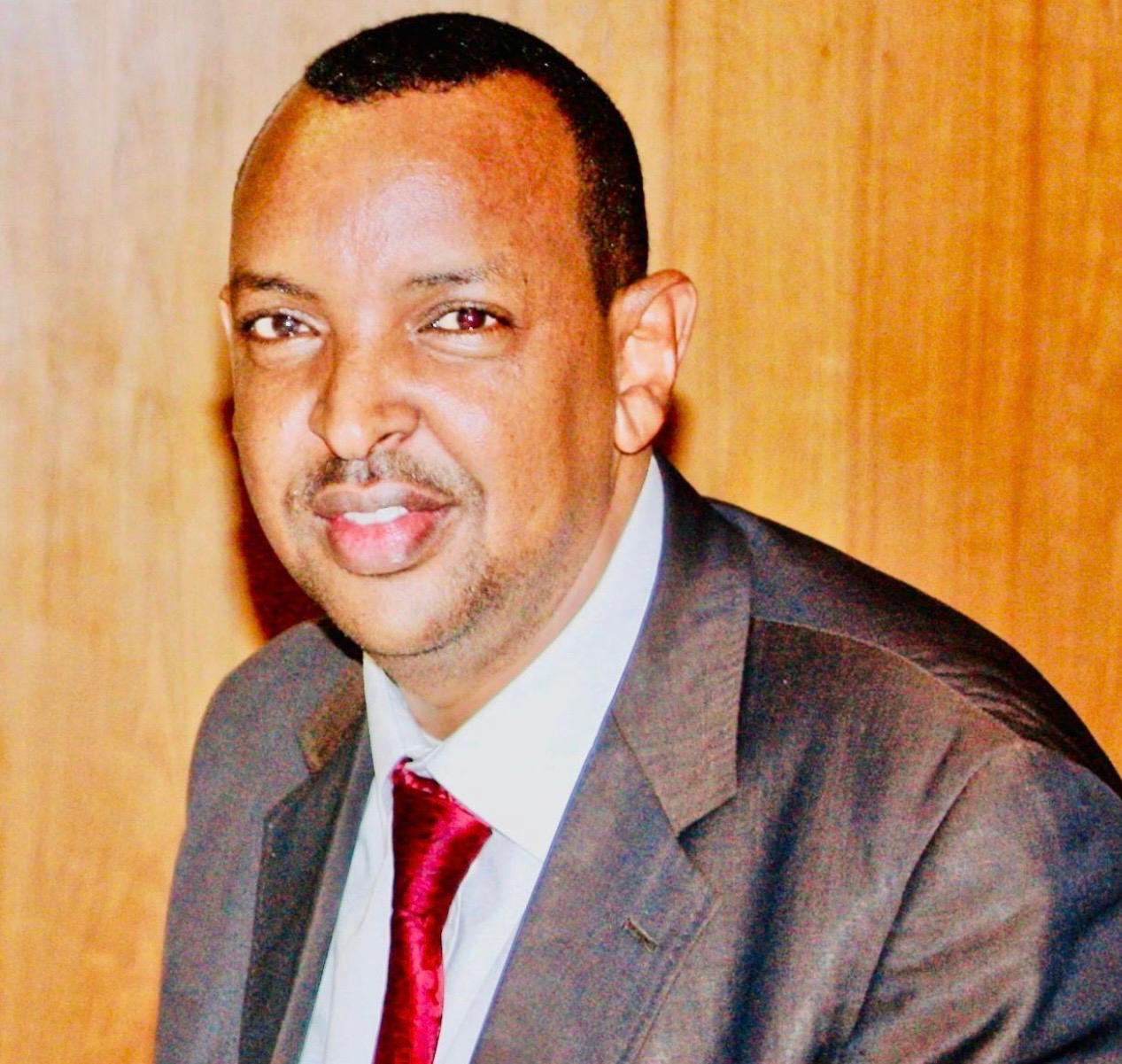
Ibrahim Rashid is a Senior Presidential Adviser - NEDI Directorate