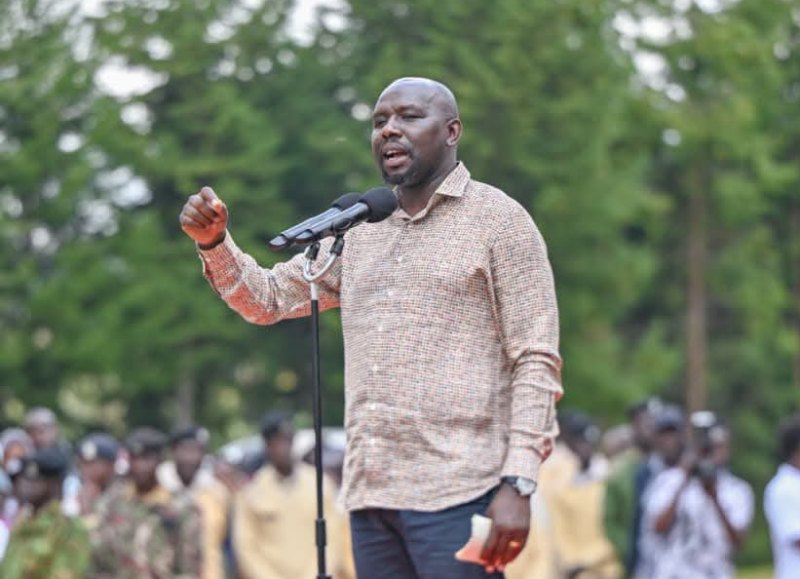
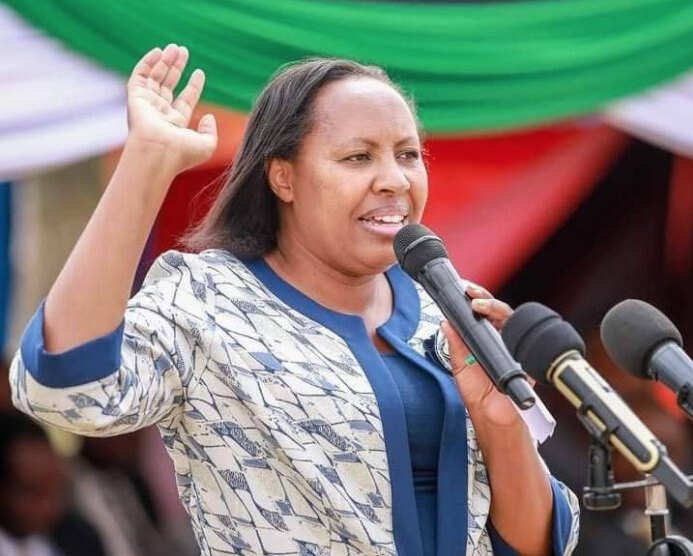
In a significant move aimed at fiscal
responsibility, the government has
announced cuts to its expenditure.
This decision comes amid ongoing economic challenges and efforts
to streamline public spending while
ensuring essential services remain
unaffected.
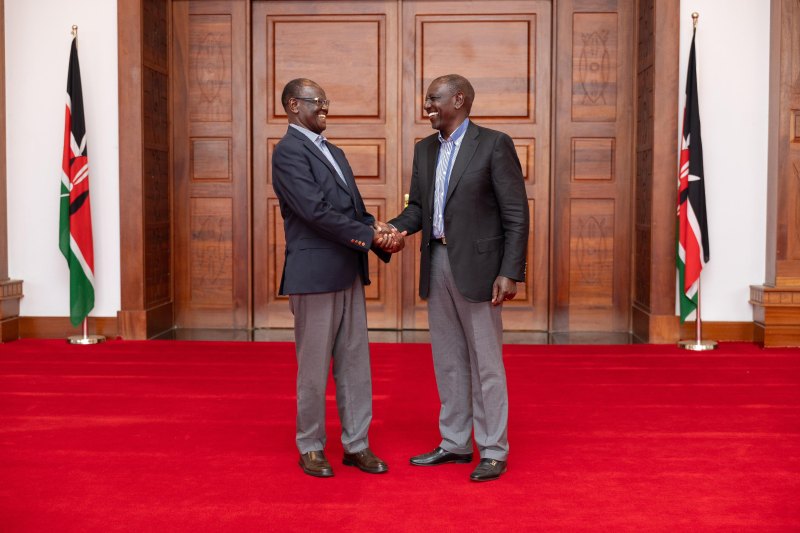
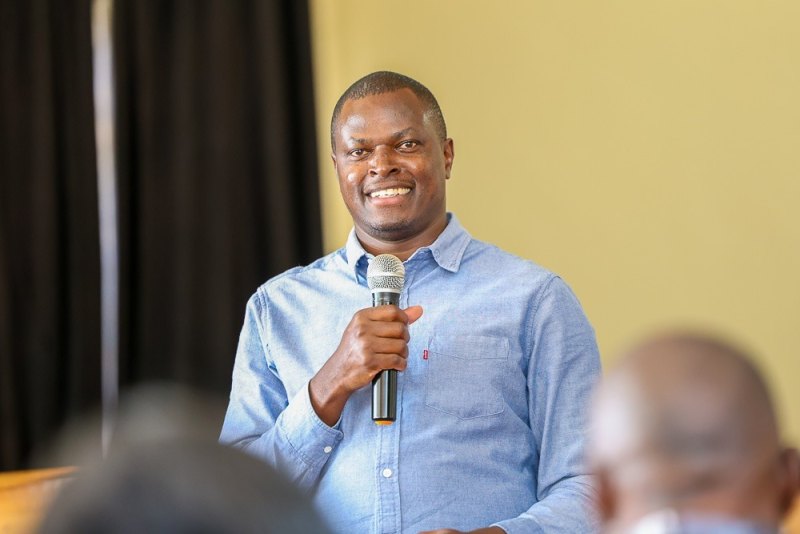
Treasury Cabinet Secretary John
Mbadi emphasised the
need for prudent financial management.
The cuts are part of a broader
strategy to stabilise the economy,
which has faced pressures from rising inflation, external debt and fluctuating revenue streams.
The government has recognised
the critical need to balance its budget while maintaining essential public services.
“We must make tough decisions
to ensure the sustainability of our
fiscal policies,” the CS said.
“These
cuts will help us redirect resources
to priority areas, such as healthcare,
education and infrastructure, which
are crucial for economic growth and
development.”
The Sh100 billion cuts will be
implemented across various sectors,
with specific reductions targeting
non-essential expenditures.
A significant portion of the cuts
will come from reducing administrative costs within government
agencies.
This includes minimising
travel expenses, office supplies and
other operational costs.
Some capital projects deemed on-essential or low-priority will
be postponed or scaled down.
The
government aims to focus on projects that have a direct impact on
economic recovery and job creation.
While no blanket salary cuts will
be imposed, there will be a freeze on
new hiring in the public sector and
a review of allowances and bonuses.
Various subsidies, particularly
in sectors that are not immediately critical, will see reductions.
The
government plans to reevaluate
the effectiveness of these subsidies
to ensure they serve their intended
purpose without straining the budget.
The decision to cut expenditures has sparked a mixed reaction
among economists and industry
stakeholders.
Some experts argue that while the
cuts are necessary for fiscal health,
they may also dampen economic
growth in the short term.
Reduced
government spending can lead to a
decrease in demand, which could
impact businesses and employment.
Economist Dr Jane Mwangi noted, “While it’s crucial to manage fiscal deficits, we must be careful not
to stifle growth. The government
needs to strike a balance between
cutting expenditures and investing
in areas that can stimulate the economy.”
Conversely, others commend the
government for taking decisive action.
“These cuts reflect a commitment to fiscal discipline, which is
essential for long-term economic
stability,” analyst Peter Otieno said.
“Investors will appreciate a government that manages its finances
responsibly.”
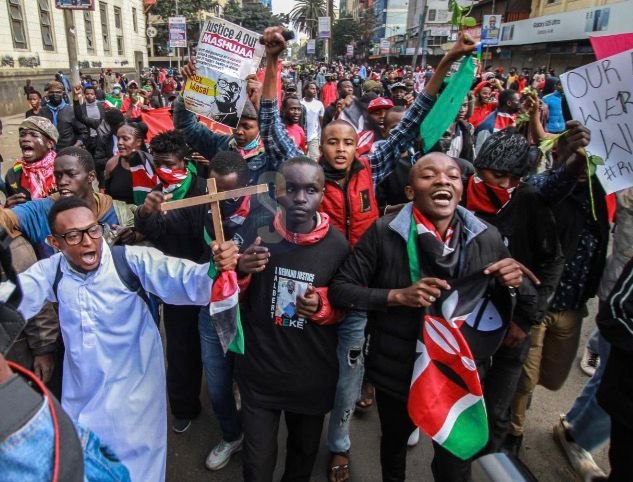
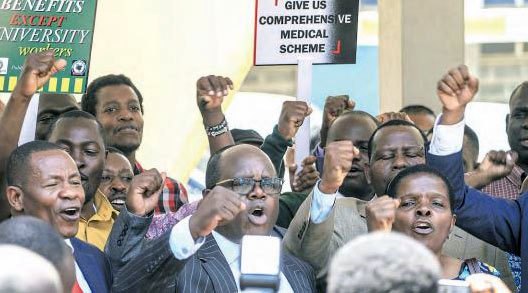
The announcement has elicited
varied responses from the public. Many citizens express concern
about potential impacts on social
services, such as education and
healthcare.
Advocacy groups emphasise the
need for transparency in how the
cuts will be implemented and the
assurance that vulnerable populations will not be adversely affected.
“We urge the government to prioritise the needs of the most vulnerable,” said a representative from a
local NGO.
“While cuts may be necessary,
they should not come at the expense
of those who depend on public services for their survival.”
As the government moves forward with these expenditure cuts,
it has pledged to maintain open
communication with the public and
stakeholders.
There will be regular updates on
the progress of the cuts and their
impact on various sectors.
Additionally, the government is exploring ways to enhance revenue
collection, which includes addressing tax evasion and improving the
efficiency of tax administration.
This dual approach of cutting
costs while increasing revenue is intended to create a more sustainable
fiscal environment.
The CS reassured citizens during
the briefing, stating, “Our commitment to responsible governance
remains unwavering. We will continue to prioritise the welfare of our
citizens while ensuring our economy remains on a path to recovery.”