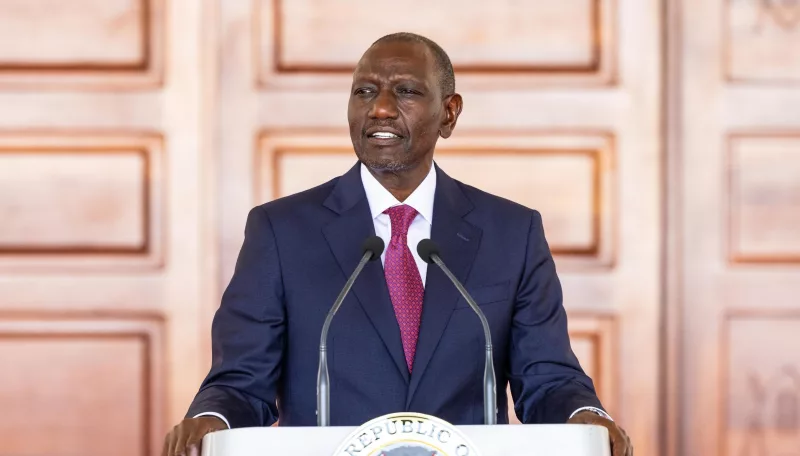
President William Ruto
is facing a series of regional crises even as he struggles to save his
popularity back home.
The escalating conflict
in the DRC and the turmoil in Sudan —
where Ruto is accused of meddling — could also define the President’s legacy.
Ruto is currently the
Chairman of East African Community, a position he would hold for one year.
Ruto has been accused by
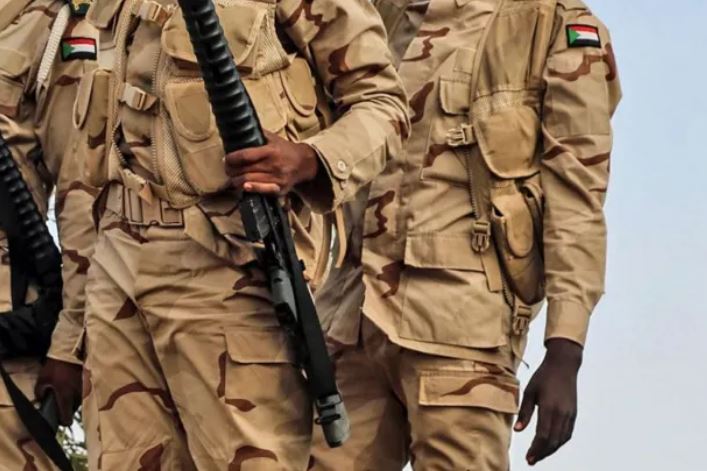
Sudan junta leader Abdel Fattah al-Burhan of siding with and harbouring Rapid
Support Forces led by Gen Mohamed Dagalo Hemedti.
The President allowed
RSF and allied groups to hold meetings in Nairobi where they announced the
formation of a parallel government against the wishes of the Sudan government.
This resulted in Sudan
severing of diplomatic relations with Nairobi.
Sudan immediately
recalled its ambassador for the second time. The first time was in January last
year after Ruto hosted Dagalo in Nairobi and offered an almost head of state
protocol and reception.
This entanglement has
been cited as among the reasons Kenya lost the AUC election in Addis Ababa.
Ruto is also co-chairing
the joint regional EAC-SADC Summit on the DRC crisis with Zimbabwe President
Emmerson Mnagangwa, the Southern African Development Community chairman.
Given the history and
complexity of the protracted DRC crisis, this is a process that will engage the
President throughout the year as EAC chairman.
M23 and allied forces
have taken over Goma, and Bukavu, resulting in a humanitarian crisis that will
further demand his attention.
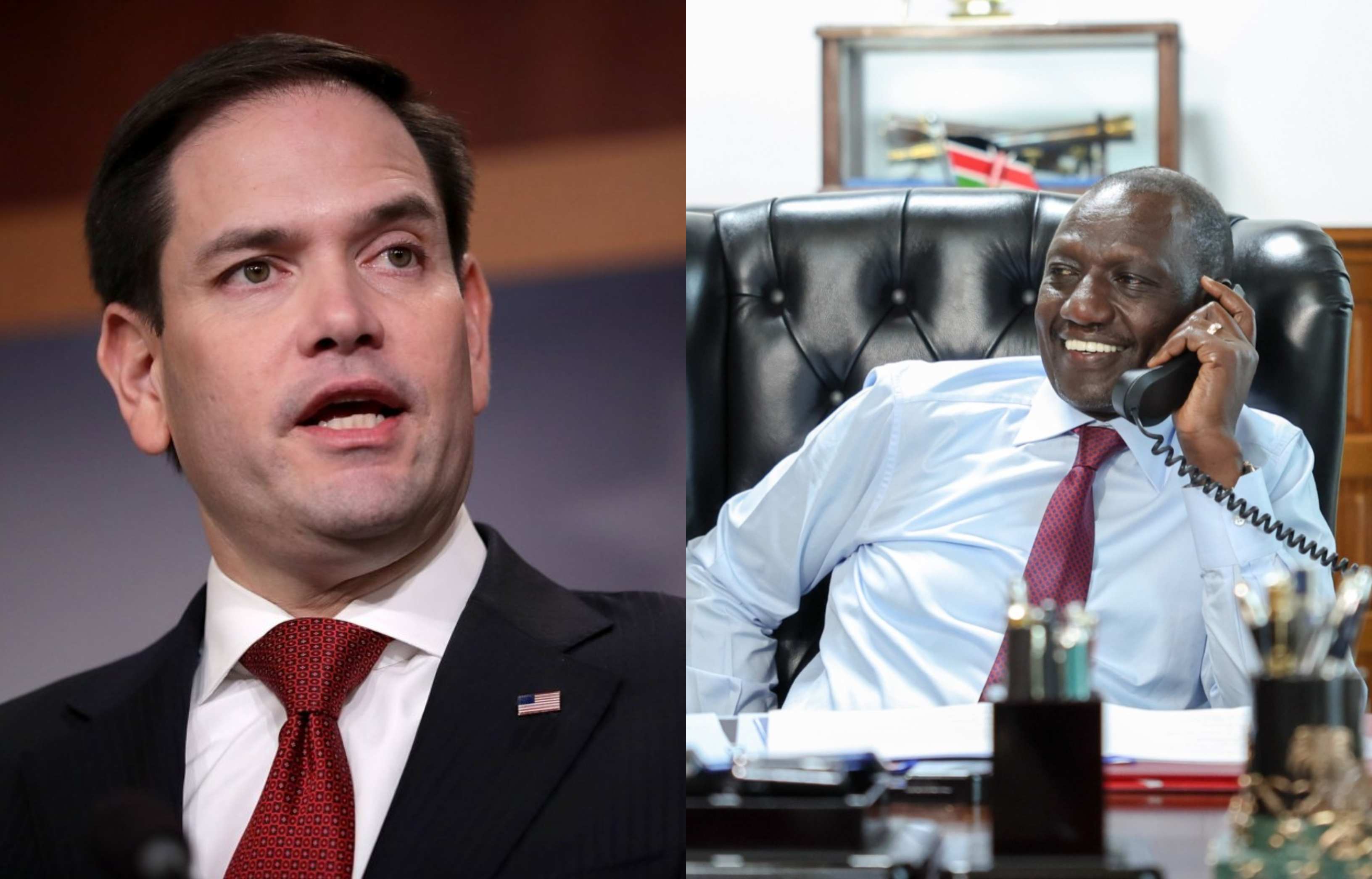
Ruto has so far held
talks with, among other leaders, US Secretary of State Marco Rubio, French
President Emmanuel Macron and UN Deputy Secretary-General Amina J Mohammed on
the regional crises.
On Monday Ruto announced
the appointment of retired presidents Uhuru Kenyatta, Olusegun Obasanjo
(Nigeria) and ex-Ethiopia Prime Minister Hailemariam Desalegn to be the
facilitators of the merged Nairobi and Luanda peace processes in DRC.
Regionally, the
President also has an eye on the South Sudan’s Tumaini Initiative peace talks,
which were adjourned once again to allow for consultations among the opposition
hold-out groups.
Kenya has been leading
the mediation efforts for the past 11 months following a request by South Sudan
President Salva Kiir. The process seeks to end the country’s political
stalemate, which has resulted in a humanitarian crisis and security challenges.
DOMESTIC PRESSURE
The president’s
engagements in regional politics is already generating domestic heat, with
opposition leaders criticising his handling of the DRC and Sudan crisis.
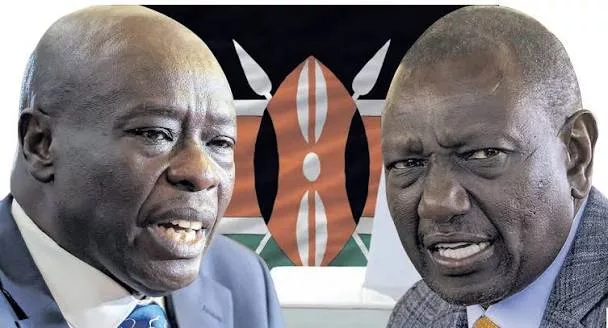
For instance, Gachagua
on Monday accused Ruto of damaging
Kenya's reputation on the global stage.
“He is making all the
wrong decisions. We have a policy of non-interference in the affairs of other
countries. We cannot allow rebels who have been] sanctioned internationally for
genocide to meet in government facilities in Nairobi,” he said.
Gachagua said Ruto had
handled the DRC issue “very badly”.
“I am told many African
presidents are unwilling to get involved in peace initiatives led by President
Ruto because he is conflicted with commercial and personal interests that he
has put above national interest," he said.
Former Vice President
Kalonzo Musyoka has also commented on the matter, accusing Ruto of failing to
support retired President Uhuru Kenyatta when he was the EAC’s peace envoy to resolve the DRC
conflict.
Kalonzo has further said
16-member Southern African Development Community bloc had issues with Ruto’s
leadership, resulting in Raila’s AUC loss.
It is, however, expected
that Ruto would like to leave a regional legacy as EAC chairman, especially
after the AU commission race loss.
Smarting from the AUC
election loss, President Ruto is working on an arrangement to accommodate Raila
Odinga’s interests to benefit from his support base, a key factor in his 2027
re-election bid.
He hosted Raila at State
House Mombasa, where a working arrangement was expected to be signed.
Already, Ruto has formed
a broad-based government with Raila, seeking to salvage his dwindling influence
in key voting blocs such as Mt Kenya region.
Following the
anti-Finance Bill (2024) demonstrations that culminated into anti-government
demos and the unprecedented invasion of Parliament Buildings, the President’s
approval ratings dipped.
This was worsened by the
killings of protesters by the police and abductions.
In Mt Kenya, Gachagua
has vowed to revenge his hounding out of office, and is doing all he can to
make Ruto a one-term president by denying him the estimated three million votes
from the reg
Combined, the
developments risk bogging Ruto down as he races to salvage his re-election bid.

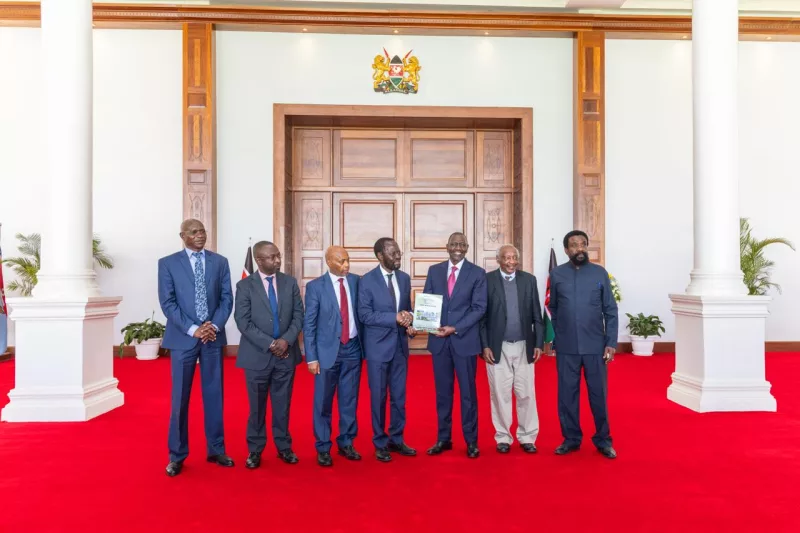
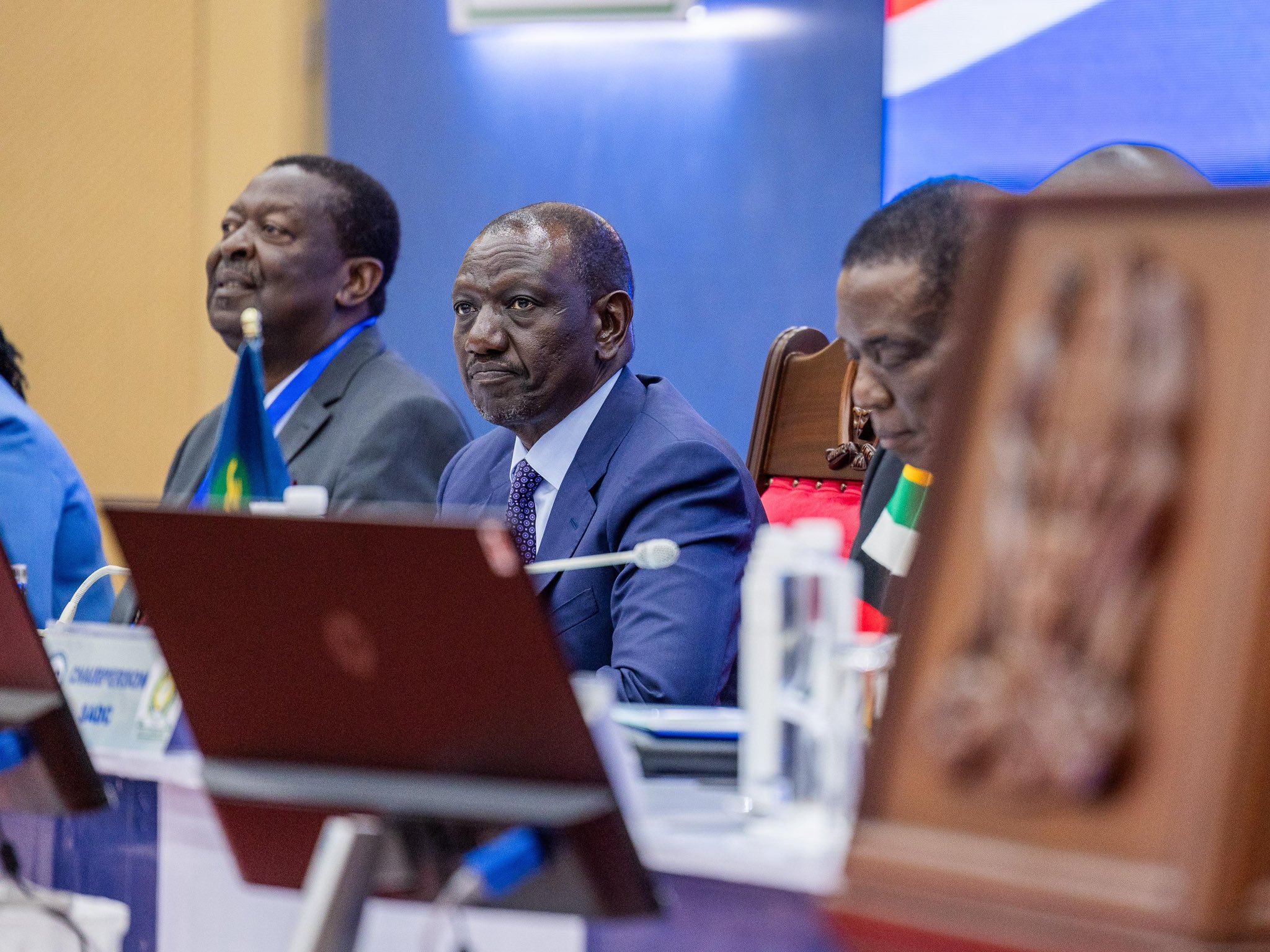 President William Ruto co-chairs the joint EAC-SADC Summit at State House, Dar es Salaam, Tanzania, on February 8, 2025/ PCS