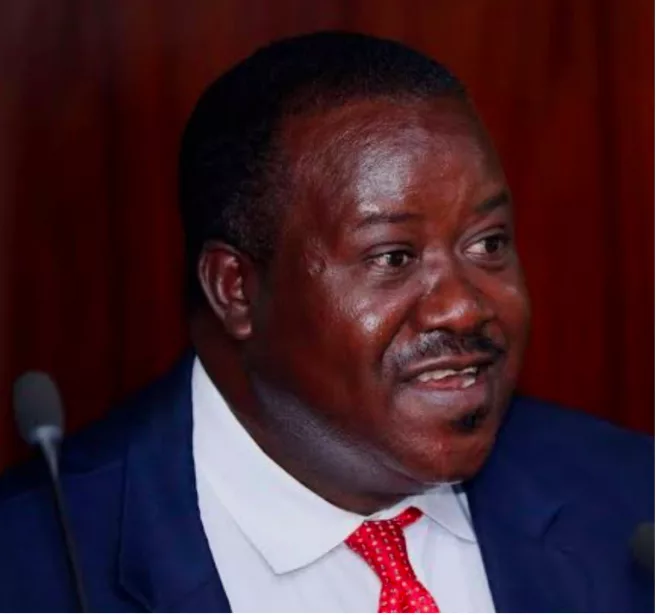

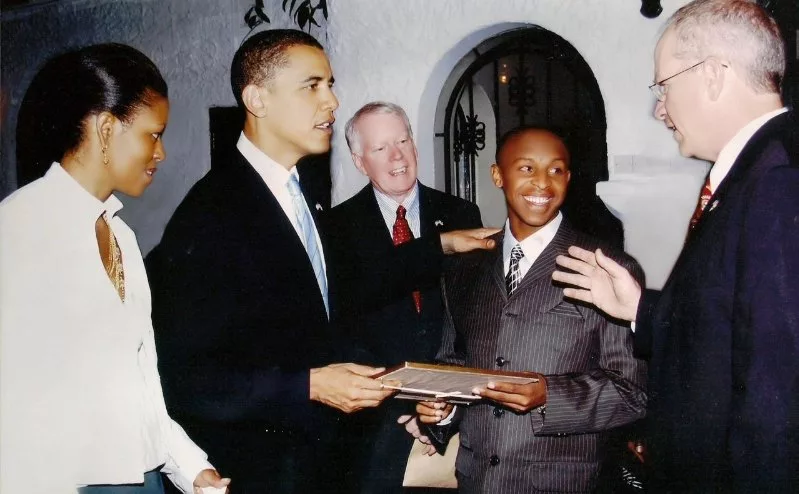
 Michelle Obama, Barack Obama, Amb Michael Ranneberger and Mwangi Mukami at the US embassy in Nairobi in 2006 /COURTESY
Nelvin Agwata remembers exactly where she was standing when Mwangi Mukami asked her the question that undid nine years of quiet grief.
It was last year during one of the Zoom calls that link young people in Nairobi, San Francisco and Accra. Mukami had a habit of asking his mentees what they had always wanted to become, and that day, he directed the question at her.
"I told him I had always wanted to be a doctor but had failed to pursue it," Nelvin recalls.
He did not offer sympathy. He asked something sharper. "So why aren't you doing it?"
She gave him the reasons that had made sense for nearly a decade: lack of money, time and age. She was 31, and neurosurgery had felt like a door that closed the day she scored a B+ at State House Girls in 2012.
She did not qualify to study medicine, settling instead for a degree in Animal Health and Production at Kenyatta University. She graduated in 2017 and drifted into office administration and handling social media accounts for companies.
Mukami was not interested in her excuses. He told her something that has stayed lodged in her mind ever since. "You will still turn 39 whether you study medicine or not. The only difference is that you can turn 39 as a doctor."
Nelvin has now applied to study medicine at Kenyatta University and Moi University. She is waiting for admission letters.
An undergraduate Medical Degree (MBChB) takes six years, while a subsequent Master of Medicine (MMed) in Neurosurgery will cost her another six. But she has already decided to go for it and is raising funds for that. "At this point, nothing is going to change my mind," she says.
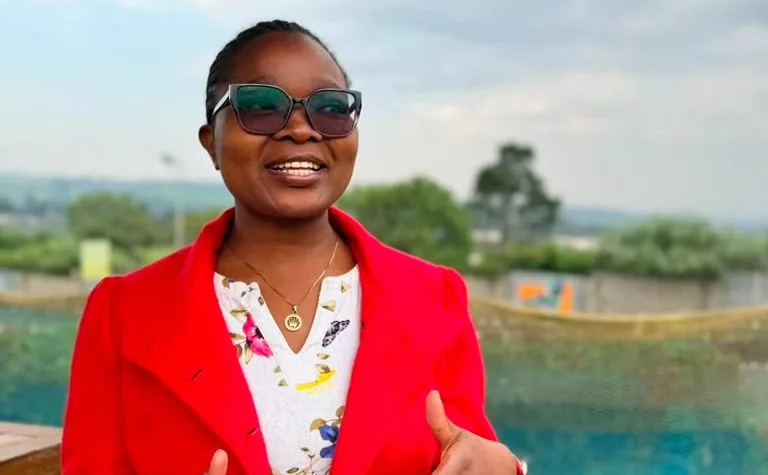 Nelvin Agwata / COURTESY
This is among thousands of similar conversations Mukami has had since he founded the M-Life Foundation in 2015. It captures something essential about the man and the organisation he built: an insistence that a closed door is not always locked, only shut.
Long before Mukami was rewriting other people's futures, his own looked finished.
A yellowed Form 4 report card from Nairobi Milimani Secondary School, dated 2002, tells an unforgiving story. Grade ‘E’ in mathematics, another ‘E’ in Chemistry, 29 per cent in history. Absent in English. At the bottom, a teacher notes that his absenteeism had become unacceptable. "Avoid absenteeism; it is chronic."
Mwangi, born in 1984, was raised by his mother in Nairobi’s Kawangware estate. She had only a little money to keep him consistently in school. He scored a D+ in KCSE, a grade that quietly closes most doors before a young person decides what to do in life.
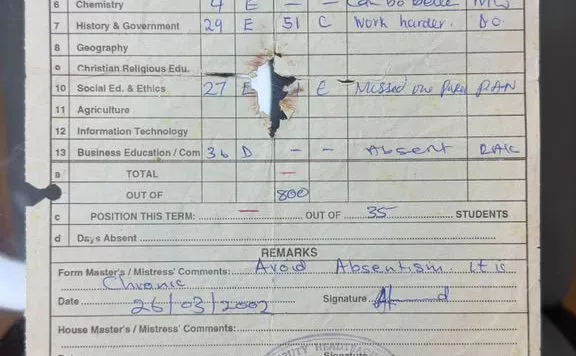 Mwangi Mukami's academic transcripts at Form 4 in 2002 /COURTESY
What his school results do not show is that Mwangi was already, at 17, serving as the first male president of the Kenya Children's Cabinet, a platform built to give children a voice in how the country was governed.
By his early twenties, he had already founded and was leading the Martin Luther King Jr Africa Foundation. He trained young Kenyans in non-violent communication at a time when intelligence reports were warning that political tension could tip Kenya into instability, which eventually happened in 2007-08.
It was his work at the MLK Jr Foundation that put him, in 2006, in a room with a visiting American senator named Barack Obama.
"Spending time with him was inspiring and changed the way I thought about life," Mukami says. "That meeting marked the beginning of our friendship."
He would go on to campaign for Obama in 2007 and 2008 as the senator ran for President, attend the inauguration in Washington, and in 2013, receive the Presidential Volunteer Service Award for his work with the MLK Foundation and the Dreams to Freedom Project.
The award nudged him back towards the classroom he had left behind. He moved to the United States in 2009 and eventually earned three degrees, including a Master of Public Affairs from the University of California, Berkeley.
When he graduated from City College of San Francisco in 2015, President Obama wrote to congratulate him. The letter bears the seal of the White House and the signature of President Barack Obama.
"Congratulations on your graduation," Obama wrote on May 27, 2015.
"This accomplishment reflects the determination and resolve you showed in deciding to cross an ocean to return to school and reach for your full potential. I trust this achievement brings you tremendous pride, and I hope you will continue to take up the charge of trying make the world a better place for the next generation."
Mukami says he took the letter as an instruction and read it several times.
"I took the challenge personally and decided to start M-Life. President Obama challenged me to use my education to change the world, and I felt I had a responsibility to do something meaningful with the opportunities I had received."
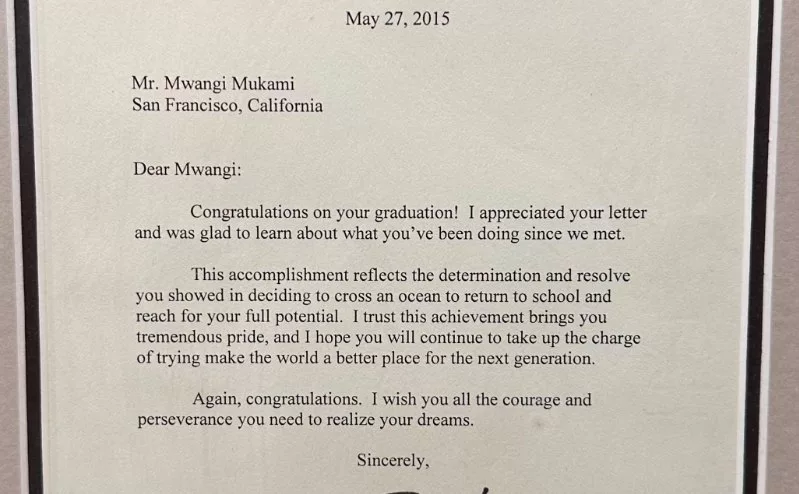 Barack Obama's letter in 2015.
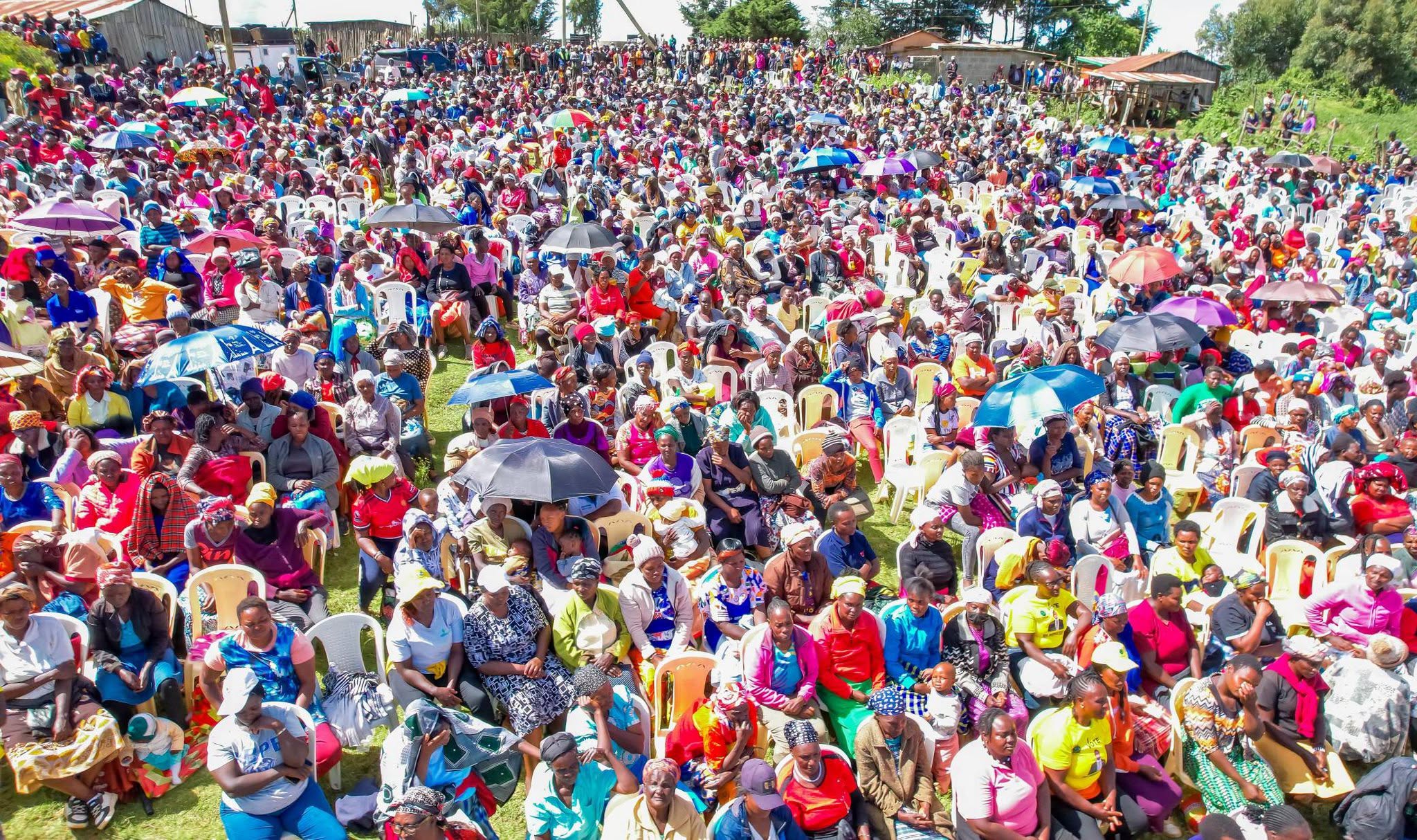
Today, the organisation works with young people in Nairobi, Kilifi, Accra and San Francisco, helping them find scholarships, jobs or business, and confidence. More than 2,000 young people have passed through its programmes, while more than 375 have secured jobs or scholarships in Kenya and abroad.
LOVE, LEARN, LEAD
M-Life is built on three words Mukami repeats like a creed: love, learn and lead. "You cannot change people unless you love them," he says. "You cannot lead until you have learned."
The foundation runs programmes across Nairobi, San Francisco and Accra for a yearly cohort of 75 young people split into scholars, fellows, navigators and seekers, depending on their age and stage of life.
He is careful about how success is counted. "We do not focus on numbers. We focus on outcomes," he says. Even so, the numbers are not small. More than 2,000 young people have passed through M-Life's training programmes, and more than 375 have gone on to secure jobs or scholarships, locally and abroad.
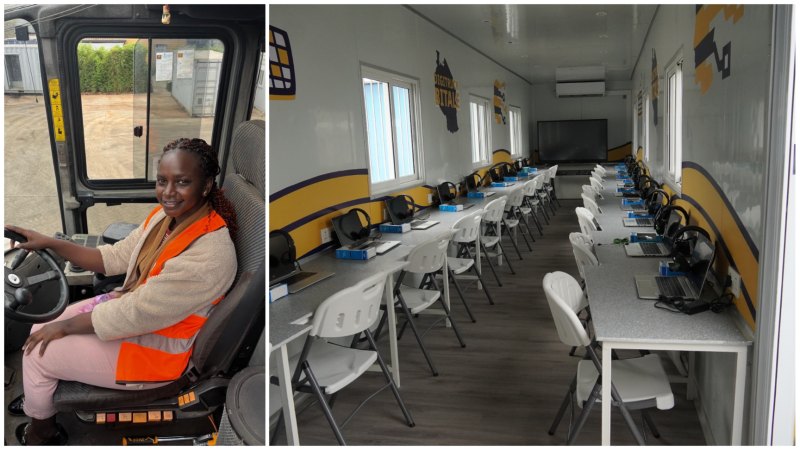
The foundation has also broken ground on a youth innovation hub in Juja, Kiambu county, intended to provide mental health support and technology training in a region where both are scarce.
Every two years, M-Life runs Human, a seven-day immersive journey for people drawn to the movement.
“But traditionally, we take 75 people, 15 scholars, 15
navigators, 15 fellows, 15 seekers, 15 helpers and 15 guardians, and every
year those groups work together to realise a goal that is common to them. And
we take those across three countries, San Francisco, Nairobi and Accra,
Ghana,” Mwangi explains.
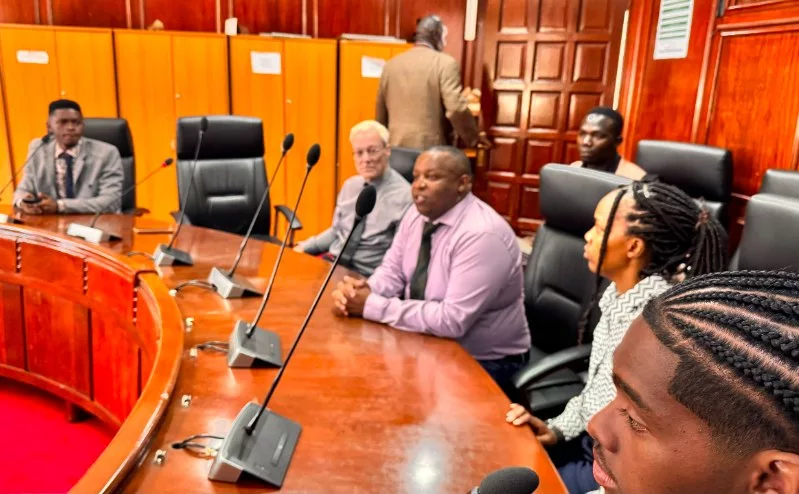 Mwangi speaks at the UN in Geneva / COURTESY
This year's 'Human 26' travels from Nairobi through Amboseli to Kilifi, with days spent inside institutions like Parliament, the United Nations offices and the US Embassy, and evenings spent in reflection.
"We do not believe in conferences where people sit in one room talking all day," Mukami says. "We believe in movement, reflection and direct engagement." He says Human 2028 is already being planned, but this year's edition still needs funding to reach every young person who has earned a place on it.
FOUNDING POSTER
Lewis Kirimi found M-Life almost by accident. A friend invited him to an online church service organised by the foundation in October 2025. "It felt like a community where everybody is valued regardless of who they are or what they do," he says. "I felt welcomed from the beginning."
The 23-year-old from Mwimbi in Meru county had just completed a diploma in Information Technology but had no steady job. He earned a living playing music.
When he told Mukami about his interest in software and design, Mukami asked him a question that has become something of a house motto at M-Life: "What do you know and what can you do?"
Kirimi showed him a basic website portfolio. Mukami saw enough in it to offer him a role as M-Life's visual storyteller. "I was surprised because he did not know much about me, yet he was willing to trust me with an opportunity," Kirimi says.
The learning curve was steep. Early on, Kirimi designed a poster in colours so dark that Mukami teased him about it. "Are we advertising hell or something?" he asked. It became the moment Kirimi understood branding is not about decoration but communication.
He enrolled on Google's design courses, learned photo and video editing, and within six months could hold his own on questions of user experience. "Where does the eye go first? Is the message clear?" he says, echoing the questions Mukami taught him to ask of every piece of work.
Kirimi also applied and was accepted, on a full scholarship, to study communication at Utah-based Brigham Young University.
His goal now is to build his own software company while staying rooted in the community that gave him his first real chance.
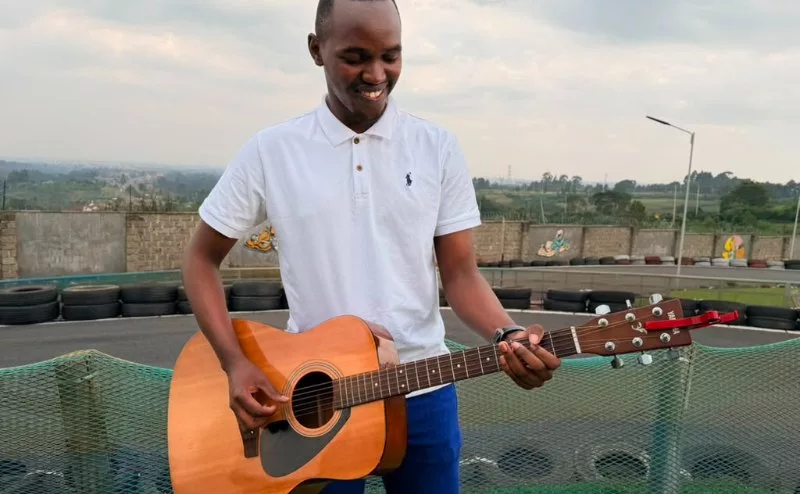 Lewis Kirimi is studying communication at the Utah-based Brigham Young University / COURTESY
RETHINKING EDUCATION
Mwangi says he understands the work ahead is immense. For instance, in the 2025 KCSE, out of 993,226 candidates who sat the 2025 examinations, about half (486,095) scored D+ and below.
The majority of these do not go to college, and there is little information about their welfare every year.
“This [training] programme is not just for teaching people just to see education as a transcript and credentials, but to see education as a gateway to all the opportunities that young people need to realise,” he says, explaining that some are supported to start businesses.
“The idea here is not really to just get numbers in and out, but rather to work with the people we helped over and over, until they realise the goals that matter to them, that matter to us as an institution.”
He says the challenges Kenya faces require a level of commitment that requires young people to be persistent and not walk away because something is difficult.
“And so the fellows and the navigators and the scholars we
are building are the kind of fellows, navigators and scholars who will
literally stay with the same issue over and over until they get it.”
About 65 per cent of the organisation's activities are funded by its beneficiaries, who went through its training and stood up in life. The rest comes from external donors. It is not enough because they wish to enrol more young people.
Mwangi hopes that one day they will be 100 per cent self-funded.
“These are serious people who've taken a vow that now that I've graduated from M-Life, my work is to carry this torch forward by empowering another,” he says.
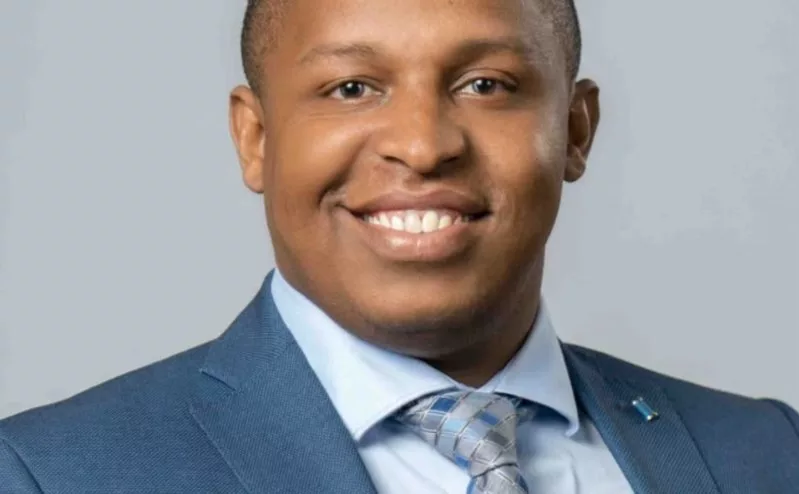
Mwangi Mukami / COURTESY