In 2010, when Golda Sawala arrived in a village in Muhoroni subcounty, Kisumu county, what she witnessed broke her
heart.
Far too many girls were not going to school, their futures cut short
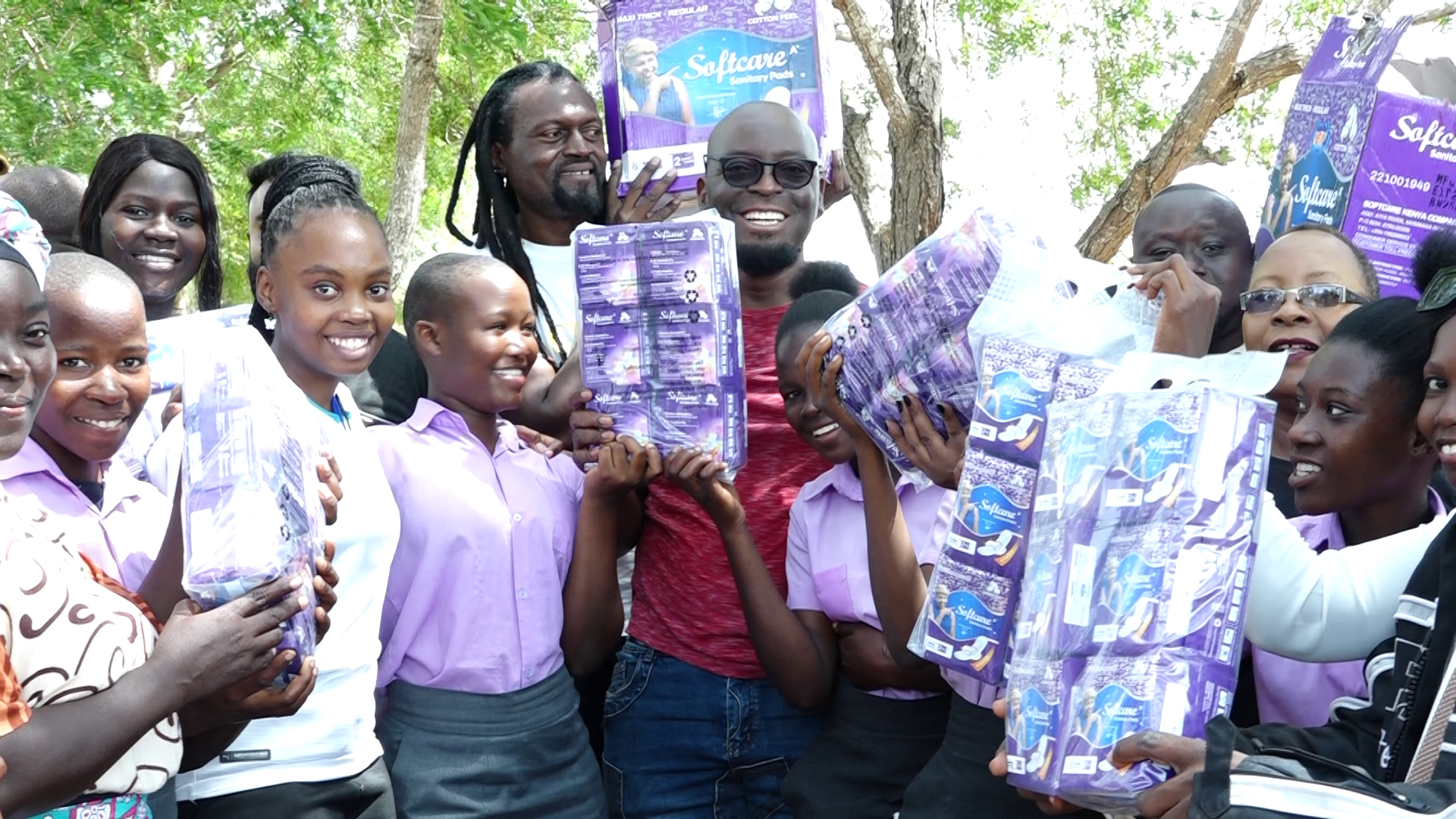
by barriers no child should face—lack of sanitary pads, school uniforms and basic support from home. Most had dropped out, silently carrying the
weight of poverty and stigma.
"Some of these young girls were taking care of their younger siblings while their
mothers searched for food. It was not fair,” Sawala says.
One year later, she took a bold
step. With a few friends and a burning sense of purpose, she founded the Golden
Girls Foundation—a grassroots movement that later transformed lives of thousands of girls across Kenya.
Sawala started small. She sat down with
eight girls and asked them, “If I give you uniforms, speak to your
parents and teachers, provide pads and solar lamps—will you go back to school?”
They all said yes.
The girls kept their promise. That year, they all passed their KCPE exams—surprising a village that never
expected much from its daughters. Slowly, perceptions began to change.
A
Holistic Model for Change
The foundation does more
than hand out products. It tackles the full ecosystem around a girl’s
education, which includes mentoring parents and
building mother-daughter support systems. Its approach is deep and
deliberate.
“Even if you give a girl all the
supplies she needs, if the home environment does not support her, she’ll still
drop out,” Sawala says.
With her husband and
co-founder Ben Obera—an alumni of Israel's Agency for International Development Cooperation (Mashav)—they built a model rooted in community assets.
“We don’t impose change; we grow it from within,” Obera says. Their training with Mashav and the Israeli
Embassy in Nairobi has been instrumental, not just in shaping their philosophy,
but also in bringing volunteers, technical assistance and global partnerships.
The duo later created the Golden Foundation Learning Centre, a school designed around
sustainable development and value-based education.
Pushing
Through Resistance
They, however, experienced some challenges.
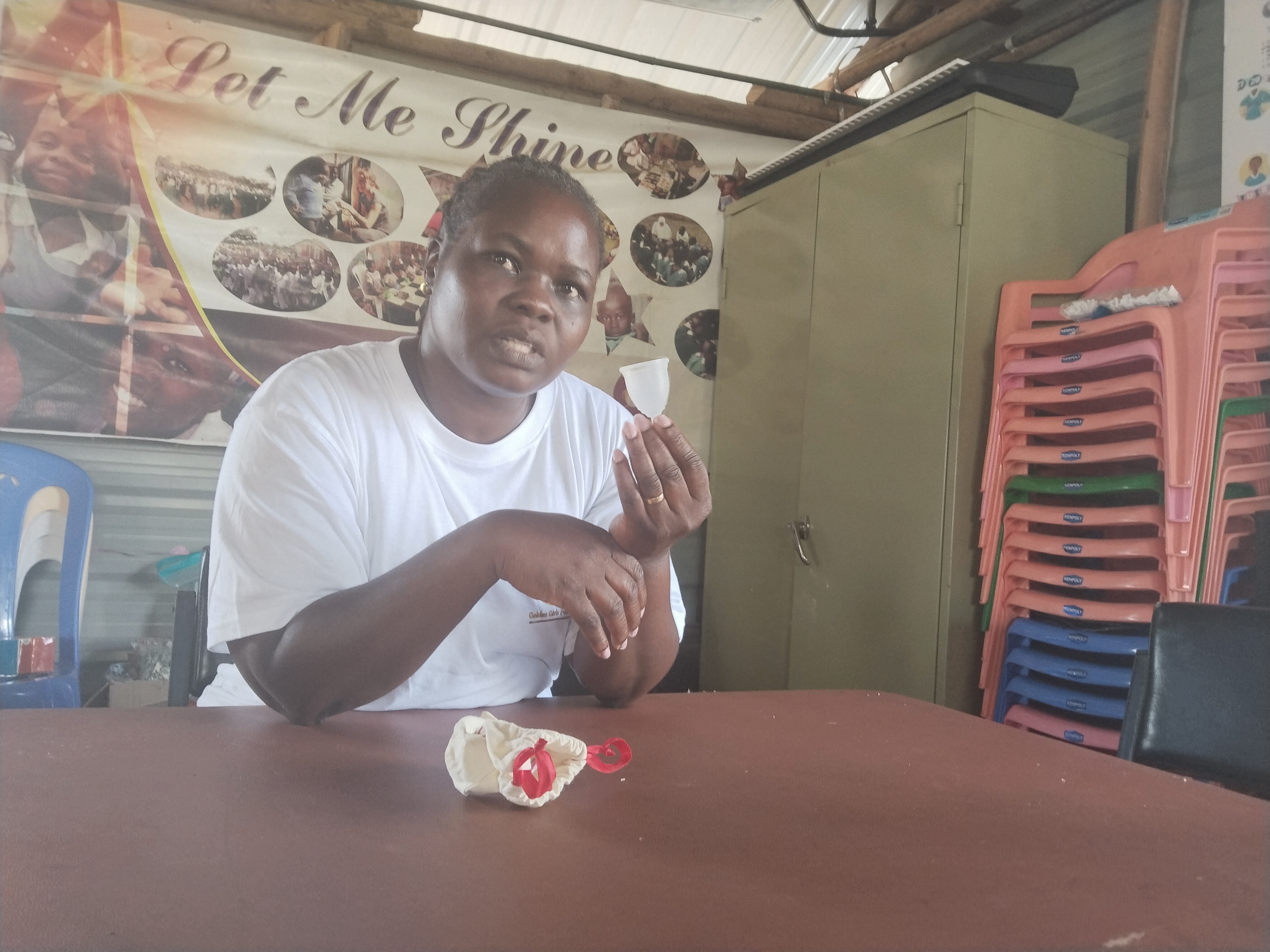
Earlier on, when the foundation distributed menstrual cups, they met resistance.
“Some men accused their wives of using the cups to deny them sex. Others believed the
myths—that they were for masturbation or birth control,” Obera says. “It was
tough.”
To change the negative perception, the foundation held sensitisation meetings with chiefs, elders and community members and slowly, their knowledge of the menstrual cups grew.
Menstrual
Health at the Core
Perhaps the foundation’s most
impactful programme is its partnership with Ruby Life, distributing more than 150,000 menstrual cups to girls in more than 100 schools across
Kenya—from Kisii to Turkana to Samburu to Siaya and Coast counties.
Alongside the cups, storybooks,
school uniforms, undergarments and solar lamps are also distributed.
“We don’t choose schools based on
status. We go where the need is greatest,” says Sawala.
In 2018, her work earned her
international recognition. She was awarded a Points of Light award by
Queen Elizabeth II. A year later, the Kenya Christian Professionals Forum
honoured her again for her leadership in menstrual health.
Volunteers,
Water, and Women’s Work
The foundation got a major boost in
2014, when Edna Halup, a volunteer from Israel, joined the team. What
was meant to be a short visit turned into a multi-year partnership.
“I came for a few months. Then the
work pulled me in,” she says smiling.
From six students, the numbers
ballooned to 200 children and more than 30 women. Halup mobilised her network in
Israel. With the help of Kenyan Ambassador to Israel, a 500-kg container of supplies was shipped to Kenya. Fundraisers also helped purchase land for their school. Halup still returns every year.
“We’re also planning a programme to have Israeli families adopt a girl and support her through school,” she says.
With help from Engineers Without
Borders, the foundation also drilled a borehole, installed water kiosks and improved community access to clean water.
Empowering
Mothers, Mentoring Girls
Golden Girls believes change begins
with women. They train local mothers—regardless of their education levels—to
serve as mentors and community educators.
“We train them not just to support
girls, but to see themselves as leaders,” says Mary Anyango Otieno, a former
beneficiary who is now a mentor.
To empower these mentors further,
the foundation runs adult education programmes, helping women gain
literacy, confidence and purpose.
The ripple effects are undeniable.
Over the past decade, the number of girls finishing school has
surged. In some schools, girls now outperform boys—a reversal of long-standing
trends.
“Teachers used to say girls could not compete,” Obera says. “Right now, they’re the ones winning awards.”
Beyond
the Classroom
The foundation is also building
economic resilience. Women participate in table banking, grow
vegetables, raise poultry and learn to make soap and crafts. These
income-generating activities reduce dependency and reinforce long-term change.
Now, with girls thriving, the foundation is turning its attention to boys.
“We have raised our girls to dream,”
Golda says. “But now we must ensure we don’t leave our boys behind.”
A
Movement Grown from Within
From a conversation with eight girls
under a tree to a nationwide movement, Golden Girls Foundation is a testament
to the power of local leadership, compassion and perseverance.
“We did not wait for permission,” Obera says. “We looked at our community and asked—what do we have and how can we
use it to change lives?”
He says they are guided by the mantra – one girl, one family, one school at a time.