UN Somalia has sponsored more than 400 journalists on climate change and humanitarian crisis reporting.
The training, which comes on the backdrop of the worst drought in 40 years, was organised by Somali Independent Media Association in collaboration with the Office of the Special Envoy on the Humanitarian Crisis and Drought.
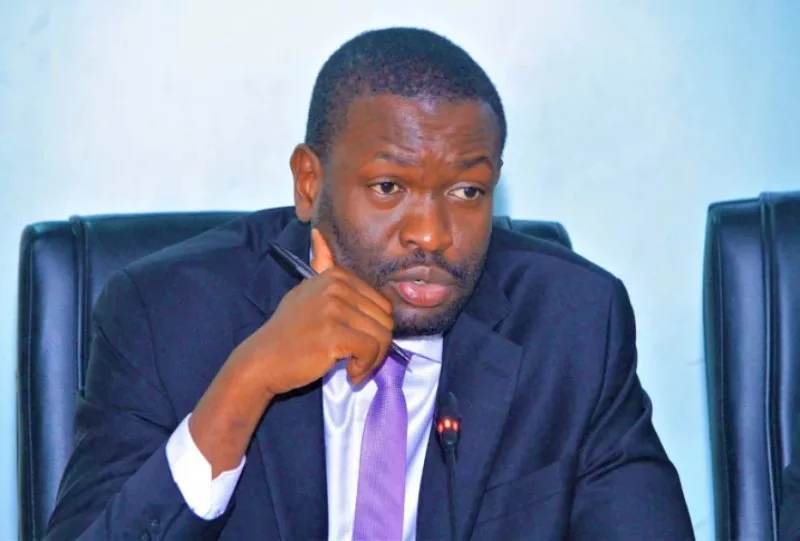
“As we continued with our efforts to address the challenges caused by the drought, we thought there was something that we were missing,” special envoy Abdirahman Abdishakur said.
“We realised that we were ignoring the media, which is the most important vehicle we need to pass crucial and life-saving information and report about our intervention."
Somalia President Hassan Sheikh Mohamud in May appointed Abdishakur to coordinate the humanitarian response as the country continues to face the worst drought in four decades.
The UNSOM-funded training is taking place in all major cities in Somalia and is aimed at equipping and empowering journalists on how to source news and report about the crisis. It is targeting editors and producers.
Somalia Independent Media Houses Association(Simha), an association that supports journalists through training and mentorship, conducted and implemented the training
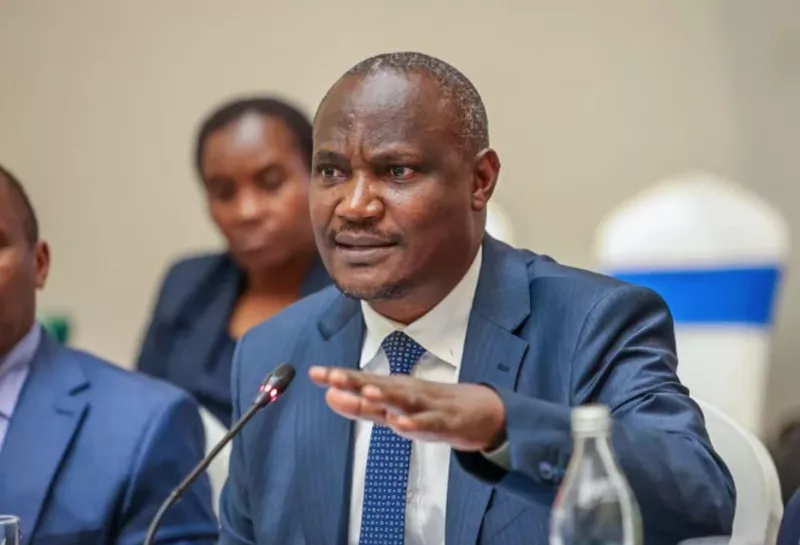
“This was an idea whose time has come. We realised that over the years, Somali journalists have been left alone to deal with the crisis that has been unfolding for decades and without any support and they have faced many challenges when performing their roles, ” Simha chairman Hassan Ali Geesay said.
“We are conducting the training in all the major cities in Mogadishu, Garowe, Baidoa, Dhuusamareeb, Kismayo and Jowhar."
He added that the training also covered fake news
“Countering misinformation and fake news was another objective of this training. We wanted to help journalists understand that their role also includes to detect and avoid spreading fake news,” Geesay added.
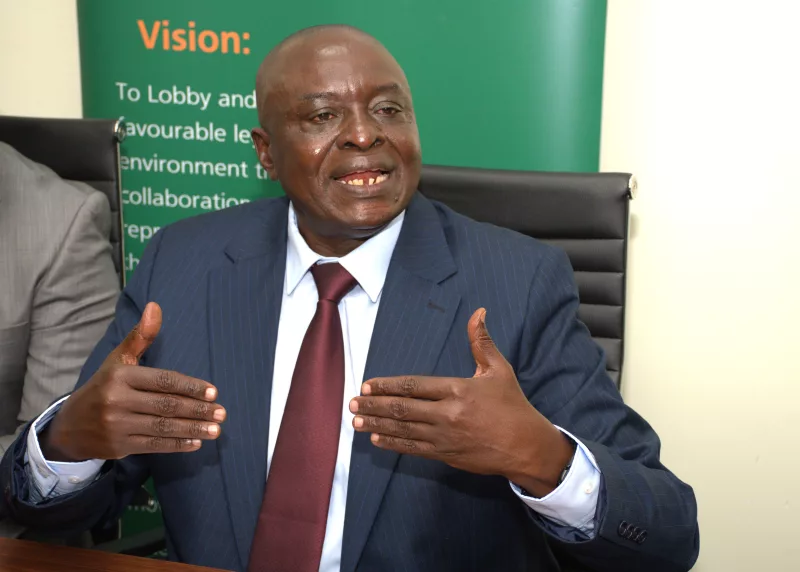
Information minister Daud Aweis tanked UN Somalia office for supporting the training, saying it would encourage journalists to do humanitarian stories instead of focusing on politics
Somalia’s humanitarian crisis has been in the news for the better part of this year as state and no-state actors continue to join the fight against the drought and the causal factors such as climate change.
After five consecutive failed rainy seasons, the protracted conflict and the Covid-19 pandemic, almost half of the Somalia population is in need of food.
Aid agencies say the humanitarian crisis has affected more than 50 per cent of Somalia’s population.
According to the UN, nearly 21 million people are highly food insecure, with some areas of Somalia still projected to face famine, and response plans are only 50 per cent funded.