
Political analyst Prof Herman Manyora has identified
Generation Z, voters from Western Kenya and the country’s middle class as the
key demographics likely to determine the outcome of the 2027 General Election.
Speaking during an interview with NTV, Manyora said the three groups have historically not participated actively in elections but are now emerging as influential voting blocs that could reshape Kenya’s political landscape.
He argued that changing political awareness, increased voter registration and renewed grassroots mobilisation have positioned the three groups to play a decisive role in the next election.
“From June 2024, young Kenyans came on board,” Manyora said, referring to the period when Gen Z-led protests placed young people at the centre of national political conversations.
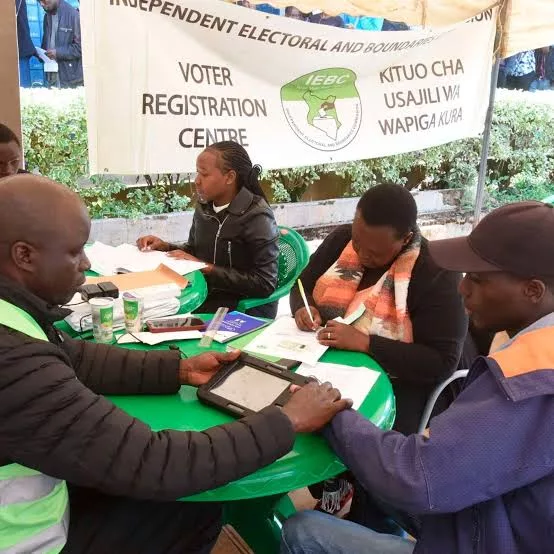
He noted that the recent Enhanced Continuous Voter Registration exercise, which saw about 2.3 million new voters added to the register, was an indication that younger Kenyans were becoming more engaged in electoral politics.
According to Manyora, Gen Z’s growing interest in governance issues and national affairs could translate into higher voter participation in 2027 compared with previous elections.
He also identified Western Kenya as another important demographic that could significantly influence the next election, arguing that the region has for years had a large population that has not fully translated into electoral participation.
“There is another demography that has been there but it was dormant, which Sifuna is forcing to wake up- the people in Western,” Manyora said.
He observed that many people from Western Kenya live outside the region, including in urban centres such as Nairobi, Kajiado and Limuru, but have historically not turned out in large numbers to vote.
“People from Western Kenya are all over the country but have been dormant during elections. They are so many in Nairobi, Kajiado, Limuru,” he said.
Manyora argued that the political activities of Nairobi
Senator Edwin Sifuna could change the voting patterns of the community by
encouraging greater participation.
He said the growing political wave around Sifuna could transform Western Kenya into a more active electoral force, with voters from the region expected to participate more strongly in 2027.
“Western Kenya is now an active demography,” he said.
Western Kenya has already emerged as one of the key battleground regions ahead of the next election. The number of registered voters in the region has increased from about 2.62 million in the 2022 General Election to approximately 2.92 million currently, with projections indicating the figure could rise to 3.36 million by 2027.
Manyora also identified the middle class as another emerging voting bloc that could shape the 2027 contest.
“The third demography is the middle class. They have not been voting as much. It is a new emerging demography,” he said.
He argued that increased political awareness among professionals and urban voters could make the middle class more influential in determining electoral outcomes.