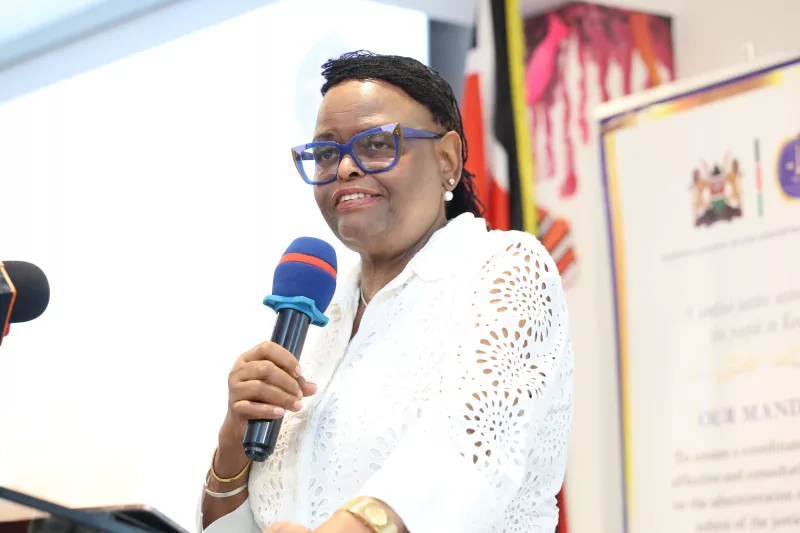
 Chief Justice Martha Koome speaking on July 27, 2026 / HANDOUT
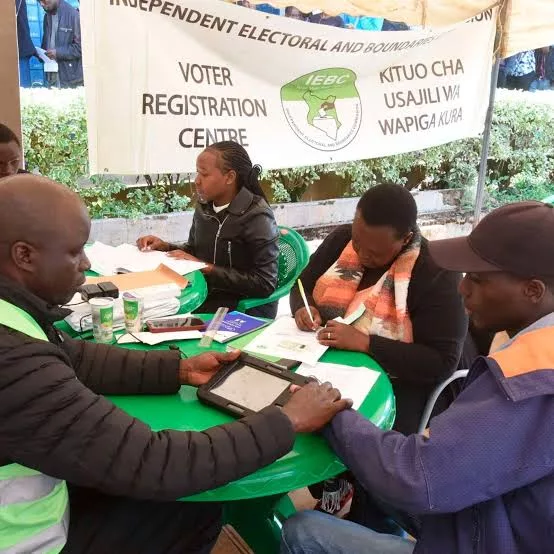
The National Council on the Administration of Justice (NCAJ) has intensified collaboration among justice sector institutions as it begins preparations for the 2027 General Election while rolling out a raft of reforms aimed at improving access to justice and service delivery.
Speaking during the 38th NCAJ meeting in Mombasa on Monday, Chief Justice Martha Koome said election preparedness goes beyond the management of the electoral process and requires the entire justice sector to be ready to safeguard constitutionalism, protect rights and efficiently resolve disputes.
"As we look ahead to the 2027 General Election, the Council must continue preparing early. I encourage the NCAJ Election Preparedness Committee to continue providing leadership in facilitating coordinated planning among all justice sector institutions," Koome said.
She said strengthening the committee's role would enhance coordination across justice institutions and improve preparedness to uphold the rule of law during the election period.
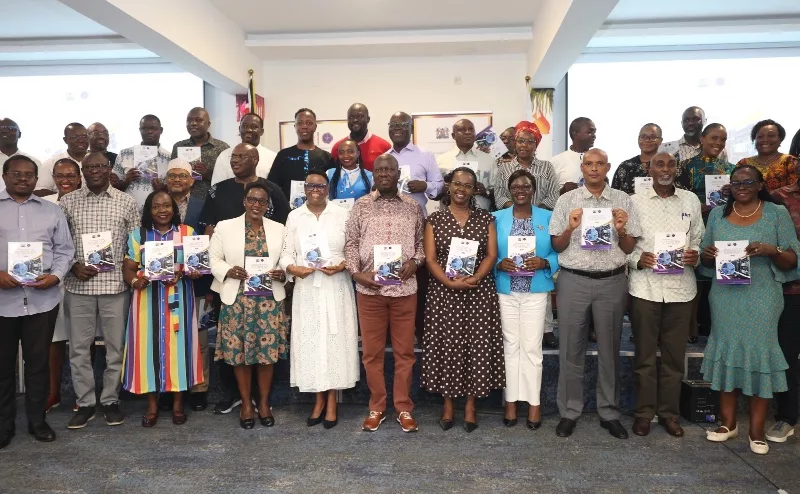 NCAJ Chairperson Chief Justice Martha Koome is joined by Council members during the launch of the Justice Sector ICT Policy and Action Plan at the 38th Council Meeting in Mombasa on July 27, 2026 /. HANDOUT
The Council is also considering several reforms, including the adoption of an Open Prison Model to complement the existing correctional system by enhancing offender rehabilitation while maintaining lawful custody and public safety.
Koome said the proposed model would provide an opportunity to explore innovative rehabilitation approaches that better prepare offenders for successful reintegration into society.
The NCAJ is also reviewing a proposal to establish Recovery Treatment Courts that would adopt a problem-solving approach for offenders whose criminal conduct is linked to substance use disorders.
"If carefully designed and piloted, the courts could reduce recidivism, improve rehabilitation outcomes and strengthen collaboration among justice, health, probation, correctional and community institutions," she said.
Other reforms under consideration include the Draft Sexual Offences Amendment Bill, which seeks to strengthen the justice sector's response to sexual and gender-based violence, including the growing concern over femicide.
The Council is also reviewing a proposed Instant Traffic Fines framework aimed at improving enforcement of traffic laws while ensuring fairness, consistency and due process.
According to Koome, the reforms could improve compliance, reduce unnecessary litigation and contribute to safer roads.
Additional proposals focus on strengthening wildlife justice, improving identification parade procedures to protect victims, witnesses and suspects, and developing child-friendly interview guidelines to safeguard children's best interests during legal proceedings.
"Taken together, these reforms demonstrate a justice sector that is willing to innovate, embrace evidence-based approaches and continuously improve the quality of justice delivered to the people of Kenya," Koome said.
She urged justice sector institutions to continue working together, saying collaboration strengthens rather than weakens institutional independence.
"The success of our work will not be measured by the number of policies we approve or meetings we convene, but by the tangible improvements experienced by those who depend on our justice system every day," she said.
During the meeting, the Council launched the Justice Sector ICT Policy and Action Plan to guide digital transformation across justice institutions.
It also unveiled Standard Operating Procedures on Sexual and Gender-Based Violence to strengthen institutional coordination, clarify roles and ensure survivors receive timely, dignified and trauma-informed services.