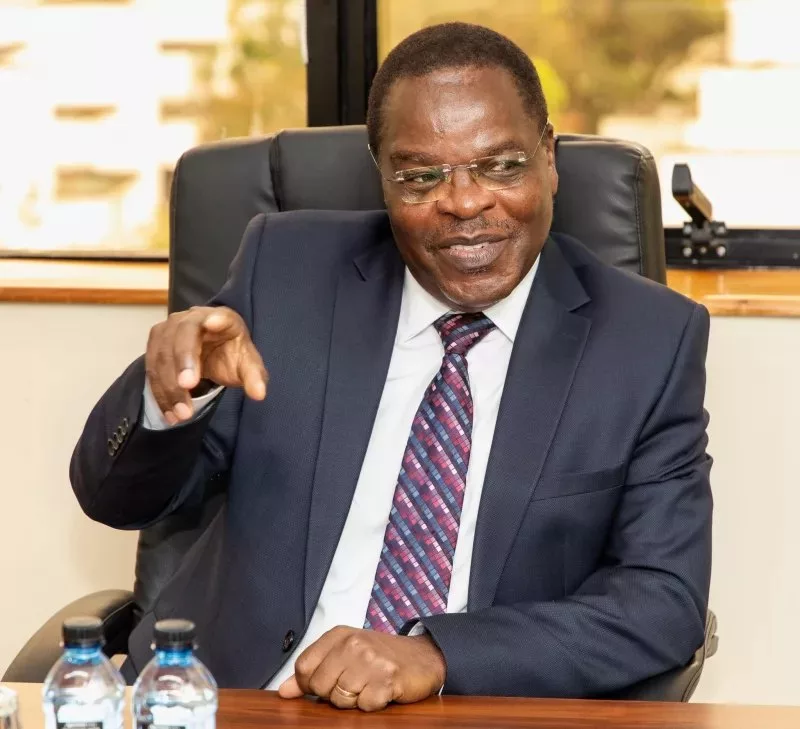
The Chairperson of the Ethics and Anti-Corruption Commission (EACC) Bishop David Oginde has lauded the media for its critical role in exposing corruption and promoting accountability.
Oginde said journalists have become indispensable partners in Kenya's fight against graft.
Oginde said citizen participation and investigative journalism have emerged as some of the strongest pillars in holding public officials accountable and ensuring transparency in governance.
He was speaking during the commemoration of African Anti-Corruption Day.
His remarks come at a time when Kenya continues to intensify efforts to combat corruption, with increased public demand for accountability in the management of public resources and the conduct of state and public officers.
He noted that the fight against corruption cannot be won by law enforcement agencies alone, emphasising that ordinary citizens and the media have an equally important responsibility in exposing wrongdoing and demanding integrity from those entrusted with public office.
According to the EACC Chairperson, active public engagement has transformed the country's accountability landscape by empowering citizens to report corruption and by encouraging institutions to respond to public concerns.
"Citizen engagement has emerged as one of the strongest drivers of accountability," Oginde said.
He commended journalists for consistently investigating and highlighting corruption cases, noting that media reports have played a significant role in bringing alleged corruption scandals to the attention of the public and relevant authorities.
"I appreciate the media for the work you are doing in exposing corrupt practices," he said.
Oginde further observed that sustained media coverage has created a platform where corruption is subjected to public scrutiny, increasing pressure on institutions to investigate allegations and take appropriate action against those found culpable.
"You have prosecuted this in the public court, and I believe you are making a significant contribution," he added.
His comments recognise the growing influence of investigative journalism in uncovering misuse of public funds, abuse of office and unethical conduct, while also reinforcing the media's constitutional role as a watchdog that informs citizens and promotes transparency.
The EACC Chairperson urged Kenyans to continue supporting anti-corruption efforts by reporting suspected cases of graft and collaborating with institutions mandated to investigate and prosecute economic crimes.
He said meaningful progress in the fight against corruption depends on collective action involving government agencies, the private sector, civil society, the media and the public.
The Anti-Corruption Day is an annual observance that raises awareness on the dangers of corruption and promotes stronger partnerships in preventing and combating the vice across Africa.
Oginde maintained that sustained citizen engagement and a vibrant, independent media are essential to strengthening accountability and safeguarding public resources.
He expressed confidence that continued collaboration between anti-corruption agencies, journalists and the public will enhance transparency and help build a more accountable and corruption-free society.