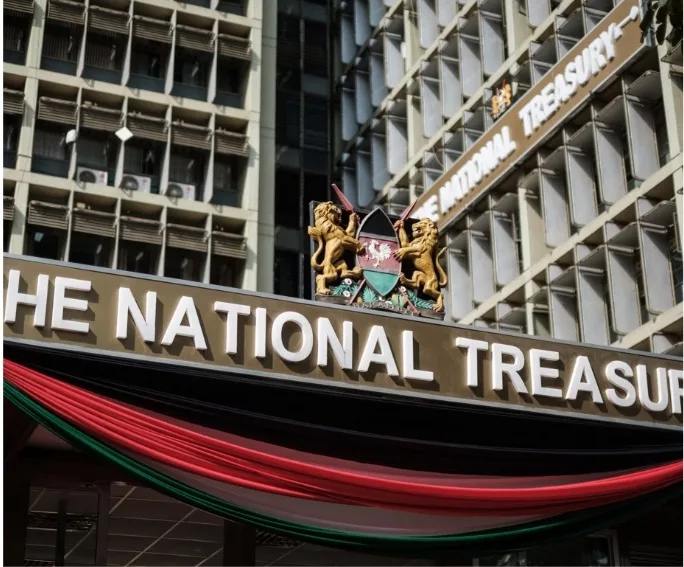
 The National Treasury building in Nairobi
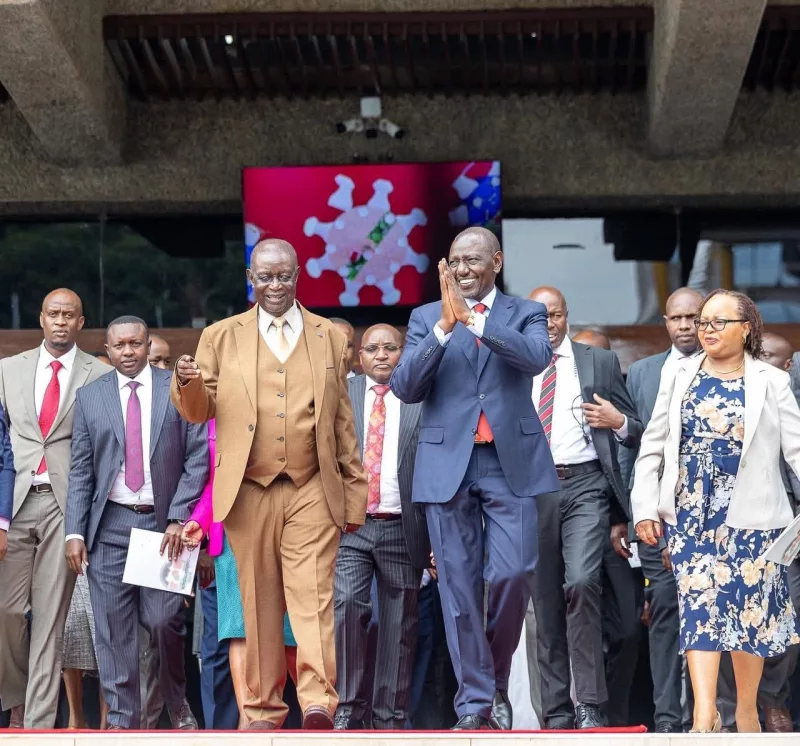
This part of President William Ruto's administration diversifies external borrowing to finance its ambitious Sh4.8 trillion budget while reducing reliance on expensive commercial loans.
The planned borrowing, disclosed by the National Treasury, follows Kenya's successful debut in the Japanese capital market in 2025/26, marking a growing shift towards alternative funding sources offering lower interest rates and a broader investor base.
Treasury Cabinet Secretary John Mbadi has described access to the Japanese market as a key pillar of Kenya's new borrowing strategy, saying the government is seeking cheaper and more sustainable financing options as it narrows its fiscal deficit.
"This is in line with our strategy. We are exploring alternative concessional funding models given our fiscal situation,"Mbadi said.
"These are sources of funding that are much cheaper than commercial borrowing," Mbadi said while discussing Kenya's entry into the Samurai bond market."
He said that tapping the Japanese market would also reduce Kenya's dependence on dollar-denominated debt, helping cushion the country against foreign exchange volatility.
"It also protects us from foreign exchange risks associated with overreliance on one currency," Mbadi said.
Samurai bonds are yen-denominated debt securities issued in Japan by foreign governments or corporations.
They typically attract lower borrowing costs than commercial Eurobonds because Japan has maintained relatively low interest rates for years.
According to Mbadi, Samurai financing can carry interest rates of between 0.5 per cent and 3 per cent, depending on the borrower's credit profile, making it significantly cheaper than many international commercial loans.
The planned issuance comes as Kenya seeks to bridge a sizeable financing gap in the Sh4.8 trillion budget for 2026/27 without imposing major new taxes.
The government plans to finance part of the deficit through a mix of domestic borrowing and external concessional financing, while continuing efforts to improve revenue collection and contain debt-servicing costs.
Treasury has increasingly moved away from exclusive reliance on Eurobonds after years of elevated global interest rates made international commercial borrowing prohibitively expensive.
Instead, it has pursued multilateral funding from institutions such as the World Bank and the African Development Bank, sustainability-linked financing and now Japanese capital markets.
Kenya's inaugural Samurai financing also signalled stronger economic ties with Japan.
The first facility supported investments in the automotive industry, energy efficiency and broader economic reforms, with President William Ruto describing it as a landmark step in diversifying the country's sovereign funding sources.