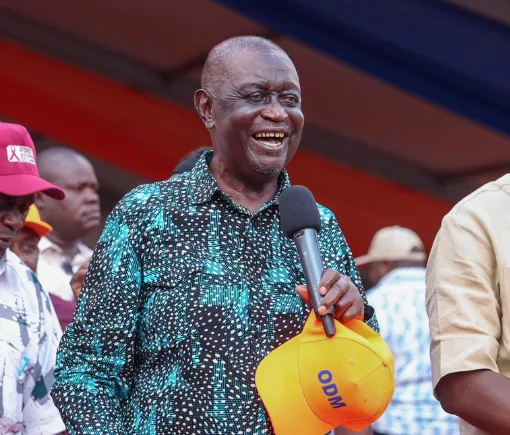
Orange Democratic Movement (ODM) leader Oburu Odinga has defended his controversial call for President William Ruto to embrace "benevolent dictatorship," insisting his remarks were taken out of context and deliberately misinterpreted by critics.
Speaking in Yala, Gem Constituency, Siaya County, Oburu said he was not advocating authoritarian rule but rather urging the President to exercise firm and selfless leadership when implementing reforms that would benefit the country.
He maintained that the word "benevolent" was the key part of his statement, accusing critics of ignoring its meaning.
"If those people don't understand English, I will teach them," Oburu said.
He explained that his comments were intended to encourage Ruto to remain focused on implementing transformative government programmes despite political resistance.
"I encouraged the President to occasionally employ a level of 'benevolent dictatorship' to stand firm, cut through the political noise, and make the hard, bold decisions necessary to achieve the absolute best for all Kenyans," he said.
Oburu said benevolent leadership means putting the interests of citizens ahead of personal or political gain.
"Benevolent means as a president who is selfless, serving his people and has vision which will benefit the people. But with some people dragging you, you implement them first," he said.
He pointed to Singapore's rapid economic transformation as an example of how decisive leadership can drive national development.
"Let us follow what Singapore did. Their leader used benevolent dictatorship in order to push Singapore to the First World," Oburu said.
"At independence, Singapore and Kenya were at the same level of development. Right now they are 40 times the economy of Kenya and this is because of a little bit of push."
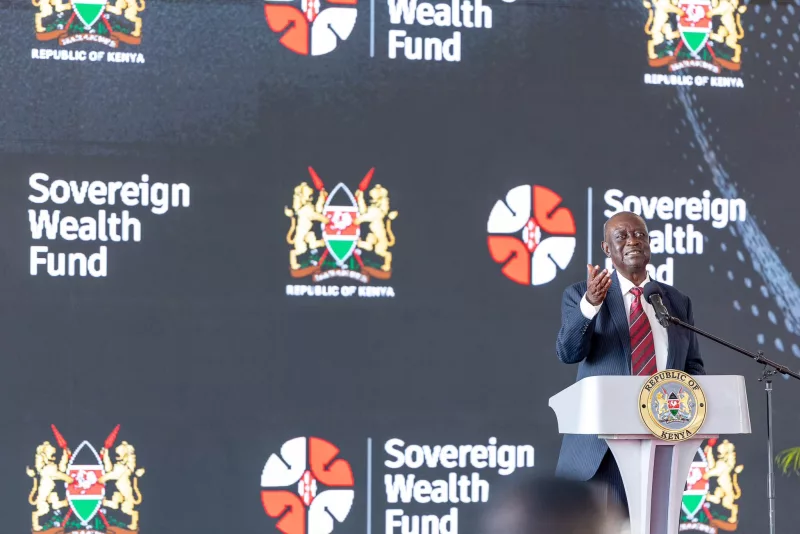
Oburu first made the remarks earlier this week during the signing into law of the Sovereign Wealth Fund Bill, 2026, at State House, Nairobi.
While addressing the gathering, he argued that governments often struggle to implement major reforms because of pressure from vested interests seeking to benefit from short-term projects instead of long-term national development.
"We have been in government, and I was an Assistant
Minister of Finance. We tried to move, but the private interests around who
want to benefit from small infrastructure, which does not take the country
anywhere, always come in to put pressure on the government, making it not to
progress," he said during the event.
"Sometimes there is too much democracy; there should be a little benevolent dictatorship so that some things can move. Mr President, I don't want to say that you should be a dictator; I am not saying that."
The remarks sparked widespread debate, with critics accusing the ODM leader of endorsing authoritarianism, while supporters argued that he was simply calling for decisive leadership in implementing reforms.
Oburu has now dismissed those interpretations, insisting that his comments were never meant to advocate dictatorship in the conventional sense, but rather strong, visionary and selfless leadership capable of overcoming political resistance in pursuit of national development.