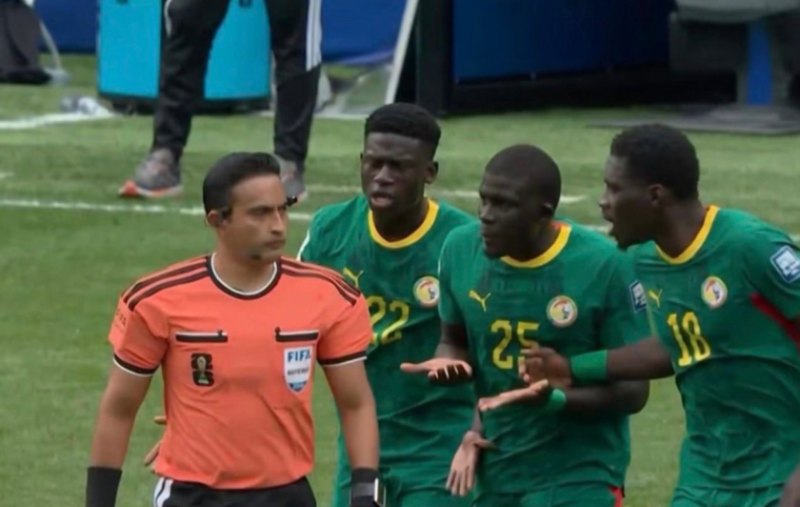

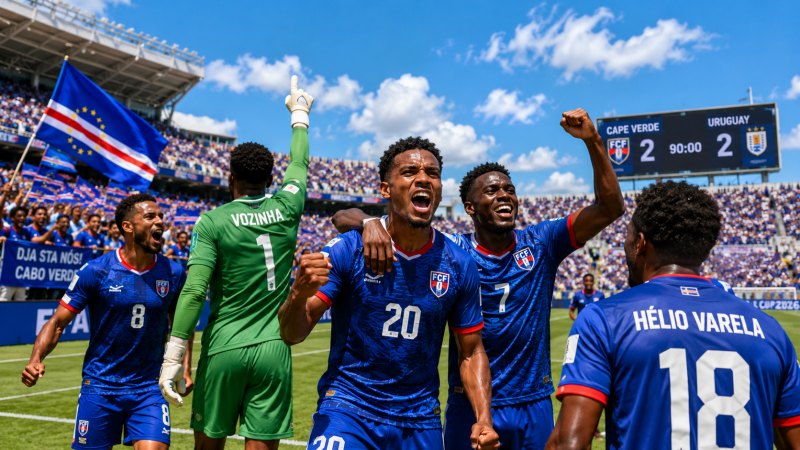
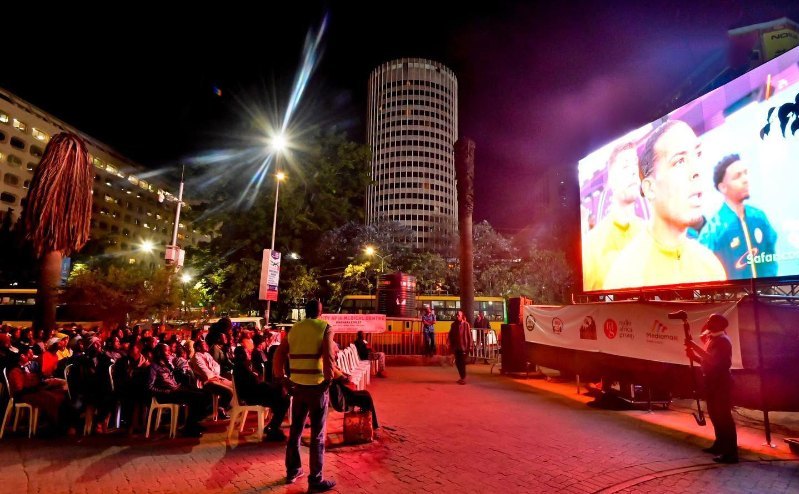
Night has taken on a new rhythm in Kenya during the ongoing 2026 FIFA World Cup, as millions of fans remain awake deep into the night to follow matches being played thousands of kilometres away in North America.
The once-in-four-years football tournament is being hosted by Canada, USA and Mexico. The difference in time zones has seen games played at odd hours in Kenyan time, with most games between 11pm and 4am.
Midnight, once associated with silence and rest, has thus been recast as an active national viewing hour. Across Nairobi’s estates, Mombasa’s coastal neighbourhoods and Kisumu’s lakeside settlements, homes and clubs remain lit long past midnight as television screens anchor attention and reshape sleep patterns around an unfamiliar but widely embraced match schedule.
In many households, the night now moves strictly in line with the football calendar, with fans relying on free-to-air broadcasts on KBC and pay-TV coverage through SuperSport on DStv and GOtv. What was once casual viewing has evolved into a disciplined overnight routine shared across social classes and professions.
For some Kenyans, the late-night fixtures have been fully absorbed into daily life, with work, family responsibilities and football now existing in a delicate balance.
“When I return home from work at around 5pm, I usually settle down for the early matches, then I wake up later after asking my wife and children to wake me up so I can catch the late-night games,” said Yusuf Rajab, a driver.
He said the routine has become part of his household rhythm during the tournament.
“I even go to the extent of preparing coffee to keep myself awake through the night matches,” he added.
CHANGING ROUTINES
In the transport sector, drivers say the tournament has quietly merged with night duty schedules, especially during long shifts and intermittent movement between assignments.
Across Nairobi’s night transport network, football now fits into the brief pauses between trips, with drivers often using gaps in movement to follow live action.
“Most of the time I’m transporting staff at night, so when there is no movement, I follow the match while waiting for the next trip,” said Protus Mukabwa, a company driver.
Mukabwa said those pauses often determine how much of a match he manages to see.
“Sometimes I get long gaps between trips, and that is when I manage to watch part of the game,” he said.
He added that even when he is back on the road, the match remains part of his attention.
“If I cannot watch, I rely on radio commentary or live updates until I get a stop,” he said.
Mukabwa said finishing early sometimes completely changes his night.
“When I finish work early, I go home and watch the second half even if it means sleeping very late,” he said.
For journalists, the tournament has altered newsroom routines, personal schedules and the way matches are followed between assignments.
“Since I leave the office very late, at around 10pm, I usually follow the tournament on my phone through live updates and apps,” said Felix Chepkemoi, a digital reporter.
He said late reporting hours often limit full match viewing.
“Once I get home, I usually watch part of the match, but most of the time I only manage the first half because I am already very tired,” he added.
Chepkemoi said the schedule often forces him to split attention between rest and football.
“You end up watching in fragments rather than full matches, depending on how your day has gone,” he said.
In media circles, colleagues say the World Cup has blurred the line between professional duty and personal viewing, with updates at work following them home.
“Even after work, you are still tracking results because everything is happening while you are trying to rest,” Chepkemoi added.
BOOMING BUSINESS
In Westlands, hospitality workers say the World Cup has significantly boosted business, especially during late-night fixtures that now draw consistent crowds long after midnight.
“Business has gone up significantly during the World Cup. From around midnight, customers start streaming in and by 2am, the place is usually full,” said David, a waiter at Bavaria in Westlands.
“People are not just coming to eat or drink; they stay throughout the entire match, and every goal triggers a wave of orders.”
He said match nights have transformed ordinary weekdays into peak business periods.
“Some nights are even busier than weekends because everyone is focused on the game at the same time,” he said.
In entertainment spaces, DJs say football has become the main driver of crowd energy and overall atmosphere, often determining the direction of the night.
“The crowd now follows the match more than anything else. When big games are on, football becomes the centre of attention, and everything else adjusts around it,” DJ Dicky Pacheko said.
He said music programming now depends heavily on match developments.
“You cannot ignore what is happening on the screen because it controls the mood in the room,” he added.
In radio studios, presenters say audience demand has intensified, with listeners expecting constant updates throughout the night.
“Listeners stay tuned throughout the night. They want constant updates — every chance, every goal, every key moment as it happens,” said Daniel Mwangi, aka Mbusii, a radio presenter.
He said audience engagement remains high throughout matches.
“Even during long matches,
people keep calling and reacting until the final whistle,” he added.
In production teams, the intensity of coverage has increased, with updates flowing continuously during live broadcasts.
“During big matches, everything becomes fast-paced. Information keeps coming in non-stop,” said Ian Thuku, a radio producer.
He said coordination between teams has become more demanding than usual.
“Everyone has to respond quickly because listeners expect immediate updates without delay,” he added.
Thuku said the intensity often extends beyond working hours.
“By the end of the shift, you feel like you have lived the entire match yourself,” he said.
HUSTLERS BENEFIT
In the informal economy, traders say sales have increased significantly, especially for refreshments consumed during matches.
“Night sales have increased, especially tea and snacks. People stay out longer because of the matches,” said Rachel Wangari, a tea vendor.
She said peak business hours have shifted deeper into the night.
“Most of my busiest hours are now after midnight, when matches are ongoing,” she added.
In households, many fans say balancing football with family responsibilities remains a challenge, especially for parents with young children and early morning obligations.
“I love football, but it is difficult to follow the World Cup properly because around 10pm, I am still busy with housework,” said Caroline Kweyu, a passionate football fan.
She said family responsibilities often take priority over late-night viewing.
“I cannot stay awake late into the night because I have to prepare my children for school so they can wake up early in the morning,” she added.
Kweyu said she often relies on alternative ways to follow matches.
“I usually catch small glimpses when I am free or watch recorded highlights when I have time,” she said.
As the tournament continues, the late kick-offs are expected to further reshape sleep cycles, workplace routines and social behaviour across the country.
Despite the disruption,
interest in the World Cup remains high, with fans continuing to prioritise live
viewing over rest as the competition moves into its decisive stages.
In Kenya, midnight is no longer the end of the day. It has become the beginning of a new phase.