 Senegal lost 3-2 in extra-time to Belgium after surrendering a 2-0 lead they had held until the 85th minute.
The inclusion of 10 African teams in the expanded 48-team World Cup had raised hopes that the continent stood a better chance of reaching unprecedented milestones and bettering Morocco's semi-final feat at the Qatar tournament in 2022.
Africa proved that the presence of 10 teams at the global showpiece was no fluke when nine of the 10 teams, save for Tunisia, progressed past the group stage.
South Africa, Morocco, Ivory Coast, the Democratic Republic of Congo and Senegal, which have so far played their knockout matches, proved their mettle by displaying exceptional skill, resilience and discipline to the admiration of many football fans and commentators.
But save for Morocco, all the other four teams failed to advance to the Round of 16 despite outplaying their opponents for much of their matches.
South Africa's Bafana Bafana crashed out of the tournament on June 28 despite holding co-hosts Canada until stoppage time.
The match appeared destined for extra time until Stephen Eustáquio scored the decisive goal in the 92nd minute.
They enjoyed better ball possession, completed more passes, recorded superior pass accuracy and committed fewer fouls, but it all counted for nothing in the end.
On June 30, Ivory Coast were sent packing after narrowly losing to Norway in the dying minutes of the match.
Norway took the lead in the 39th minute through Antonio Nusa, but a 74th-minute strike by Amad Diallo drew the Elephants level after a display of individual brilliance by the winger.
It looked like the match would go into extra time, but a defensive lapse allowed Erling Haaland to score a late winner in the 86th minute to eliminate the African side.
Statistically, the Ivorians created more goal-scoring opportunities (14) than Norway's nine, with five shots on target compared to their opponents' three.
They also enjoyed 52 per cent possession, committed fewer fouls and won 14 corners compared to Norway's three.
On Wednesday, DRC crashed out of the 2026 FIFA World Cup after suffering a heartbreaking 2-1 defeat to England in the Round of 32.
Despite taking an early lead through a seventh-minute goal by Brian Cipenga, the Leopards failed to capitalise on their advantage and conceded two late goals to Harry Kane in the 75th and 86th minutes.
DRC outplayed England in almost every department. They had 16 shots to England's seven (eight on target compared to two), enjoyed 60 per cent possession, completed 493 passes against England's 346, registered 92 per cent pass accuracy against 84 per cent, committed 10 fouls to the Three Lions' 12 and won five corners against England's three.
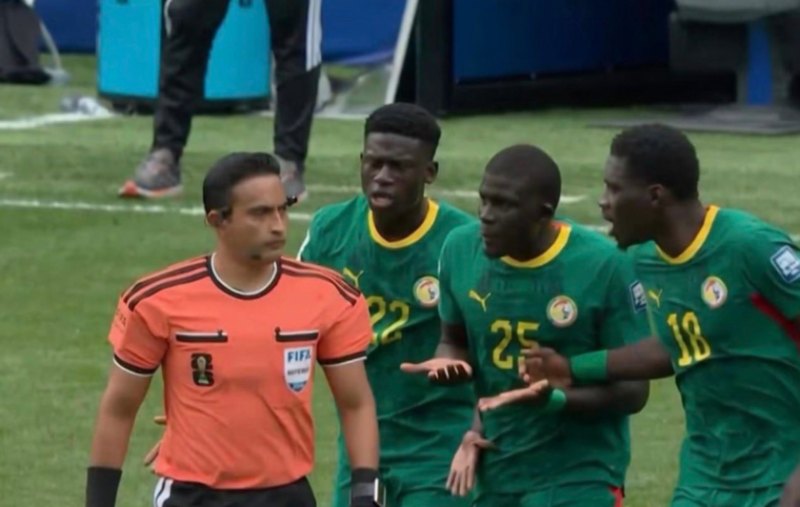
But perhaps the most devastating result for the African continent was Senegal's 3-2 extra-time defeat to Belgium after surrendering a 2-0 lead they had held until the 85th minute.
Senegal completely outplayed Belgium in every aspect—possession, transitions and chance creation. The game looked all but over, with the Lions of Teranga seemingly set to book their place in the Round of 16 before events took a dramatic turn.
Romelu Lukaku scored in the 86th minute before Youri Tielemans drew Belgium level in the 89th minute following a goalmouth scramble from a high ball.
There were appeals for a VAR review after one of the Senegalese defenders appeared to have been shoved in the back by Tielemans before he headed the ball into the net.
The match went into extra time and, in a further twist, Belgium were awarded a controversial penalty in the 120th minute.
Tielemans stepped up and converted the decisive spot-kick, completing a comeback that felt like something out of a science-fiction script.
The moment reignited memories of 2002, when the Lions of Teranga were eliminated in the World Cup quarter-finals by Turkey after İlhan Mansız scored a golden goal in extra time.
Claims of poor refereeing have been cited by some fans and pundits as one of the reasons behind Africa's string of last-minute eliminations at the 2026 World Cup.
However, lapses in concentration and shortcomings in late-game management have also emerged as recurring weaknesses that African teams need to address.
"Incredible to get robbed like that! He never whistles a penalty against a big team," one fan said regarding the Senegal match.
"No need to blame the ref. They were leading 2-0 for 85 minutes and let it slip. Only themselves to blame," added another.
"It's done. Senegal eliminated after extra time. Bravo to the video refereeing and to the blind person who was in charge of it," came another sarcastic comment.
"Senegal was better throughout the entire match. But those last five minutes, it's like they stopped defending. I don't know, I'm confused. I was rooting for them," another fan said.
Another added: "The Senegal team would have left the pitch to protest against the refereeing; they have the experience," in reference to their AFCON final against Morocco.
While questions over refereeing will continue to be debated, Africa's repeated inability to close out matches after dominating large spells of play has emerged as an equally costly problem.
With just six spots left to fill in the round of 16, the pattern has become difficult to ignore and the problem appears to be tactical deficiency rather than lack of talent.
If the continent's remaining representatives are to progress deeper into the tournament, improving concentration, game management and defensive discipline in the closing stages may prove just as important as the quality that Africa has already put on display.