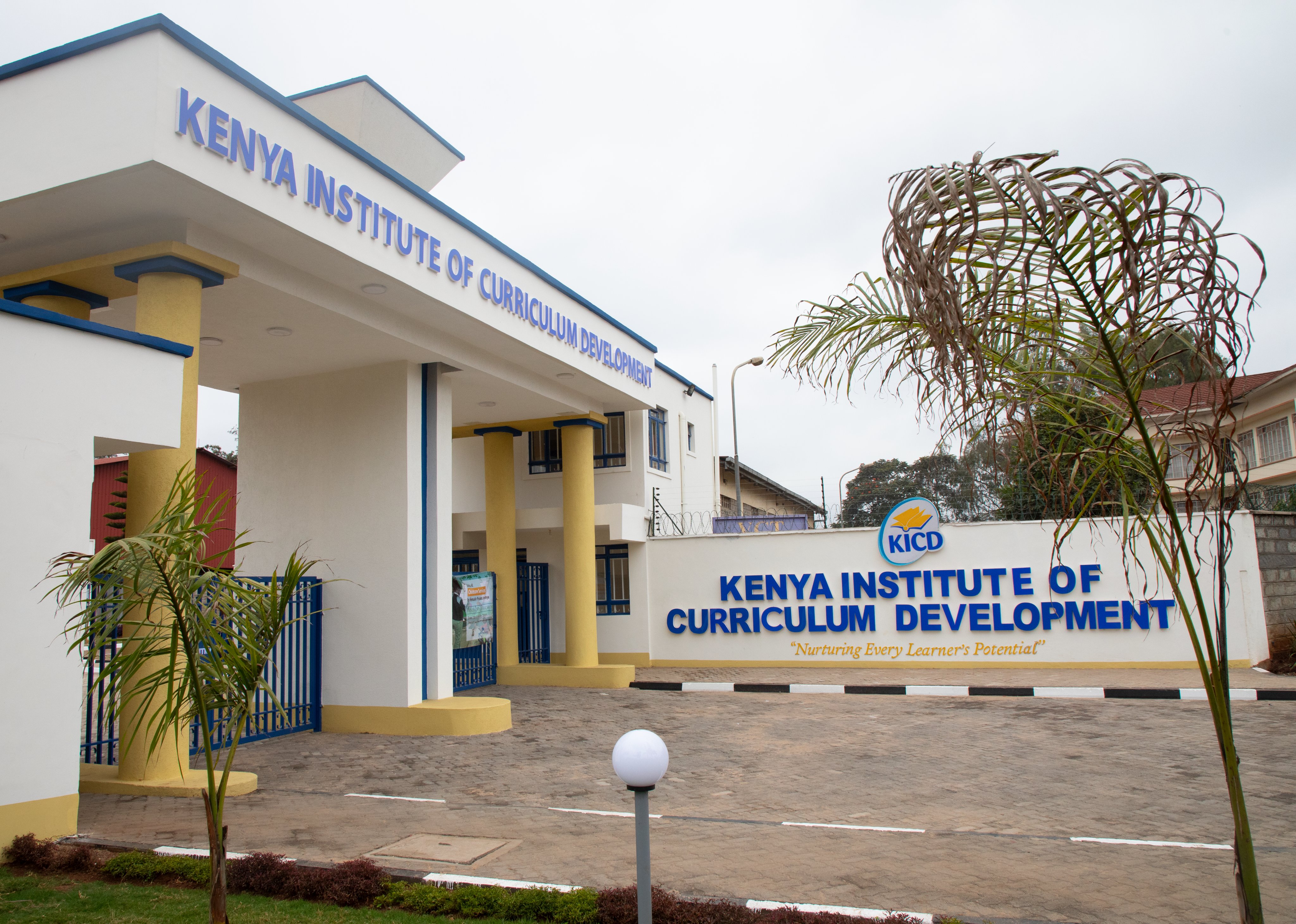
 The Kenya Institute of Curriculum Development. /KICD
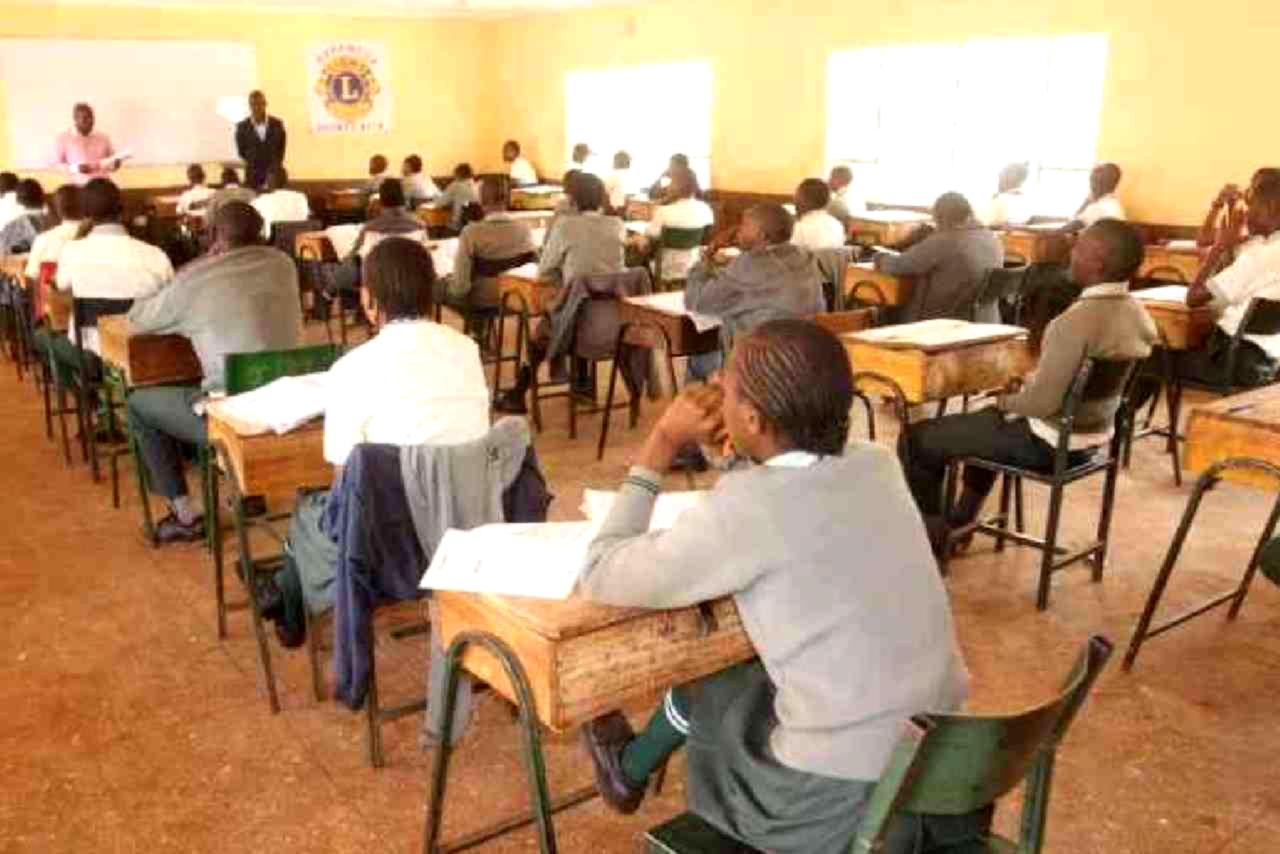
School principals and officials from the Teachers Service Commission have been directed to report vendors selling unapproved curriculum support materials, as the government moves to curb the spread of substandard learning resources in schools.
Kenya Institute of Curriculum Development (KICD) chief executive officer Charles Ong’ondo warned that schools risk wasting scarce resources on materials that mislead both learners and teachers while undermining the implementation of the Competency-Based Education (CBE) curriculum.
He said parents and schools could be spending millions of shillings on textbooks, revision guides and assessment materials that do not meet the required quality standards.
Speaking during the 49th Kenya Secondary School Heads Association (KESSHA) annual conference in Mombasa, Ong’ondo reminded school heads that learner assessment under CBE is the constitutional mandate of the Kenya National Examinations Council (KNEC).
He cautioned schools against administering commercially developed assessment materials, urging them to rely only on curriculum support resources that have been vetted and approved by KICD.
“You are wasting your resources, you are wasting your energy and you are courting a problem because we have already provided school-based continuous assessment. These materials they’re selling, is there any peer reviewer, let alone KICD or any renowned publisher? Is there any editor who has looked at them? So beware,”
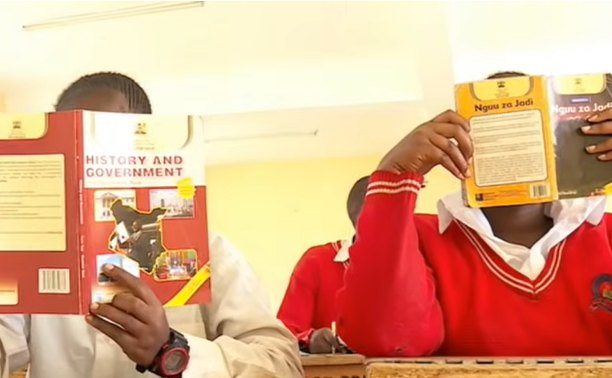
Under the texbook supply policy, the government supplies approved textbooks to all public schools on a one-to-one ratio, ensuring every learner receives one textbook per subject under the 8-4-4 system and one textbook per core learning area under CBE.
While parents are free to purchase supplementary aids such as revision books, Ong’ondo stressed that they must verify the books are officially approved based on the official catalog often referred to as the "Orange Book" to ensure the materials meet set standards.
He said unscrupulous traders are exploiting the open market by selling virtually any publication under the guise of CBE assessment support materials.
Ong’ondo explained that developing curriculum support materials is a rigorous process that takes into account Kenya’s religious and cultural diversity, gender considerations and regional differences, among other quality assurance requirements.
“Some of those materials are very offensive to some sections of Kenya, including content that is not acceptable in Kenya,” he said.
“It pains me when I see people marketing everything in the name of CBE,” he added, urging school administrators to scrutinise vendors exhibiting learning materials during education conferences and other school events.
“Some of those materials are even being marketed here at this conference, yet they have never been approved by KICD.”
Ong'ondo said that many of the unauthorised materials focus narrowly on testing learners, contrary to the broader philosophy of CBE of instilling skills and nurturing talent.
According to Ong’ondo, competency-based education places equal emphasis on assessment for learning, rather than simply assessment of learning, making the use of properly developed and approved curriculum support materials critical to effective teaching and learning.

![[PHOTOS] The new Ngong –Naivasha Road viaduct](https://cdn.radioafrica.digital/image/2026/06/64d4f771-4432-4aee-ba3c-2f304c4436ec.jpg)