Nairobi to get lion’s share of counties Sh428 billion allocation for revenues
Other big winners include Nakuru (Sh14.9bn), Turkana (Sh14.2bn), Kakamega (Sh14.1bn) and Kiambu
by JULIUS OTIENO
Audio By Vocalize
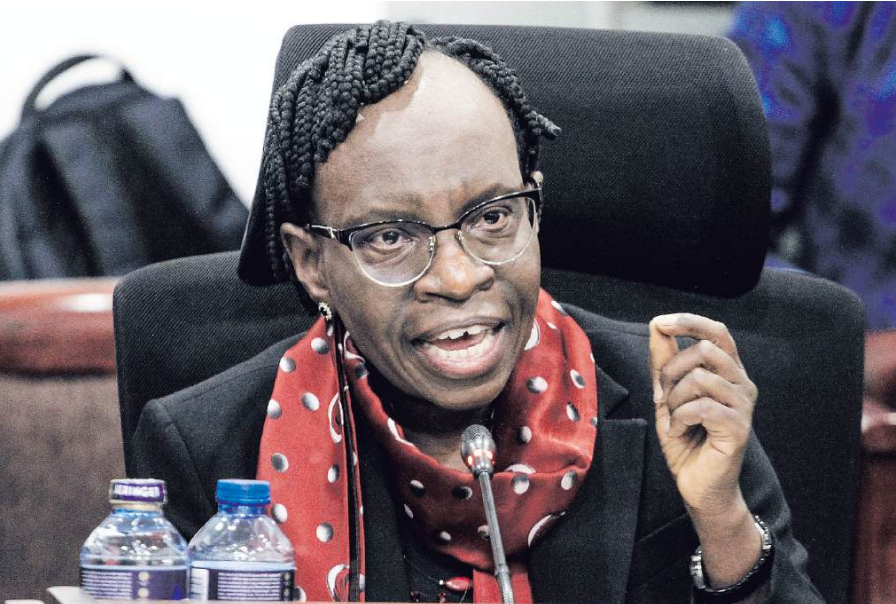
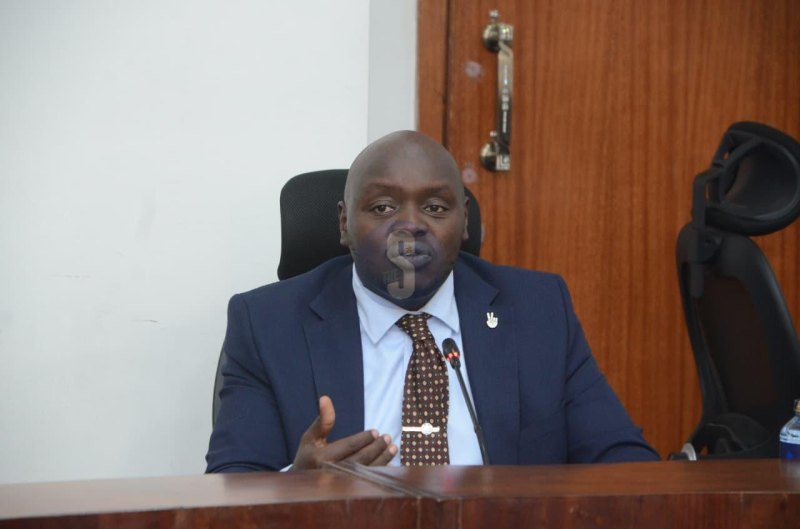
Nairobi Governor Johnson Sakaja before the Senate Committee on Finance and Budget at Parliament Buildings on Thursday /DOUGLAS OKIDDY
Details have emerged of how the 47 counties will share the
Sh428 billion negotiated by the National Assembly and the Senate for the next
financial year.
The revelations are contained in the County Allocation of
Revenue Bill, 2026, currently being considered by Parliament.
Under the proposal, Nairobi county remains the biggest
beneficiary, with its allocation rising from Sh21.42 billion in the current
financial year to Sh22.11 billion in 2026-27, an increase of about Sh697
million.
Nakuru will receive Sh14.90 billion, up from Sh14.46
billion, while Turkana's allocation rises from Sh13.89 billion to Sh14.27
billion.
Other counties receiving substantial allocations include
Kakamega, whose share increases from Sh13.67 billion to Sh14.07 billion,
Kiambu, which moves from Sh13.07 billion to Sh13.51 billion, and Kilifi, whose
allocation rises from Sh12.81 billion to Sh13.18 billion.
Mandera will receive Sh12.59 billion, compared to Sh12.27
billion in the current financial year, while Bungoma's allocation increases
from Sh11.84 billion to Sh12.21 billion. Kitui will receive Sh11.85 billion, up
from Sh11.50 billion.
Several counties will now receive more than Sh10 billion,
reflecting modest increases under the new formula.
Meru's allocation rises from Sh10.55 billion to Sh10.90
billion, Wajir moves from Sh10.51 billion to Sh10.85 billion, Machakos
increases from Sh10.18 billion to Sh10.51 billion, Kisii grows from Sh9.82
billion to Sh10.11 billion, while Narok crosses the Sh10 billion mark after its
allocation rises from Sh9.77 billion to Sh10.07 billion.
The proposal also provides increased allocations for other
major counties. Kisumu will receive Sh9.18 billion, up from Sh8.90 billion,
while Uasin Gishu's allocation rises from Sh8.98 billion to Sh9.26 billion.
Migori will receive Sh9.16 billion, an increase from Sh8.88
billion, Kwale rises from Sh9.08 billion to Sh9.33 billion, while Makueni's
allocation increases from Sh8.98 billion to Sh9.25 billion.
Homa Bay will receive Sh8.91 billion, up from Sh8.65
billion, and Garissa's allocation rises from Sh8.88 billion to Sh9.21 billion.
The coastal counties also register gains, with Mombasa
receiving Sh8.66 billion, up from Sh8.38 billion, while Tana River's allocation
increases from Sh7.22 billion to Sh7.45 billion.
Busia will receive Sh8.20 billion, compared to Sh7.96
billion previously, Murang'a rises from Sh7.97 billion to Sh8.23 billion, Trans
Nzoia moves from Sh7.99 billion to Sh8.24 billion, while Siaya's allocation
grows from Sh7.75 billion to Sh8.01 billion.
Although every county records an increase, Lamu remains the
least-funded county, with its allocation rising from Sh3.86 billion to Sh3.99
billion.
Tharaka-Nithi will receive Sh5.22 billion, compared to
Sh5.06 billion this year, while Elgeyo Marakwet's allocation increases from
Sh5.52 billion to Sh5.69 billion.
Isiolo rises from Sh5.63 billion to Sh5.82 billion, and
Taita Taveta's allocation increases from Sh5.76 billion to Sh5.94 billion.
According to the Senate Finance and Budget Committee, the
allocations are based on the approved Fourth Basis for sharing revenue among
counties. The basis distributes funds using a formula that assigns 45 per cent to
population, 35 per cent to equal share, 12 per cent to poverty levels and eight
per cent to geographical size.
The committee, chaired by Mandera Senator Ali Roba, said the
formula ensures that no county loses money while also addressing disparities
that disadvantage some counties under the ordinary allocation criteria.
"The baseline allocation protects every county from
losing resources, while the affirmative action allocation ensures counties that
are disadvantaged by the formula receive additional support.”
The remaining increase has been shared using the approved
Fourth Basis for revenue allocation, the committee said in its report.
Last week, President William Ruto signed into law, the
amended version of the Division of Revenue Bill following intense negotiation
between the senators and the members of the National Assembly.
The Division of Revenue Bill splits between the national and
county governments revenues generated nationally.
The negotiations saw the allocations to counties rise from
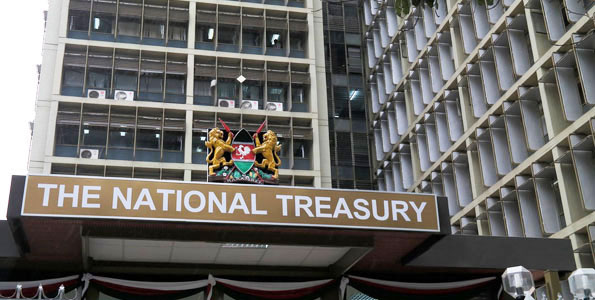
Sh420 billion initially proposed by the National Treasury and approved by the
national assembly, to Sh428 billion.
The Senate had initially proposed an allocation of Sh454
billion to the devolved units, but climbed down following the negotiations.
The new allocation represents an increase of Sh13 billion
from the Sh415 billion allocated to counties in the current financial year.
The additional funding is expected to strengthen service
delivery in key devolved sectors, including healthcare, agriculture, water,
county roads and early childhood education.
The proposal retains a baseline allocation of Sh387.43
billion, which is based on counties' previous allocations, while Sh4.46 billion
has been ring-fenced for an affirmative action programme targeting 12 counties
considered disadvantaged by the formula.
Each of the beneficiary counties—Elgeyo Marakwet, Embu,
Isiolo, Kirinyaga, Laikipia, Lamu, Nyamira, Nyandarua, Samburu, Taita Taveta,
Tharaka-Nithi and Vihiga—will receive an additional Sh371.7 million.
The remaining Sh36.12 billion above the baseline allocation
has been distributed using the Fourth Basis formula, allowing counties with
larger populations and greater development needs to receive proportionately
larger increases.
Once approved by Parliament and assented to by the
President, the allocations will enable county governments to implement their
2026/27 budgets from July 1.
The additional funding is expected to ease pressure on
county finances, improve delivery of devolved services and provide resources
for development projects, even as governors continue to push for a larger share
of nationally raised revenue in future financial years.
This is premium content
Subscribe to Continue Reading
Help us continue bringing you unbiased news, in-depth investigations, and diverse perspectives. Your subscription keeps our mission alive and empowers us to provide high-quality, trustworthy journalism. Join us today to make a difference!