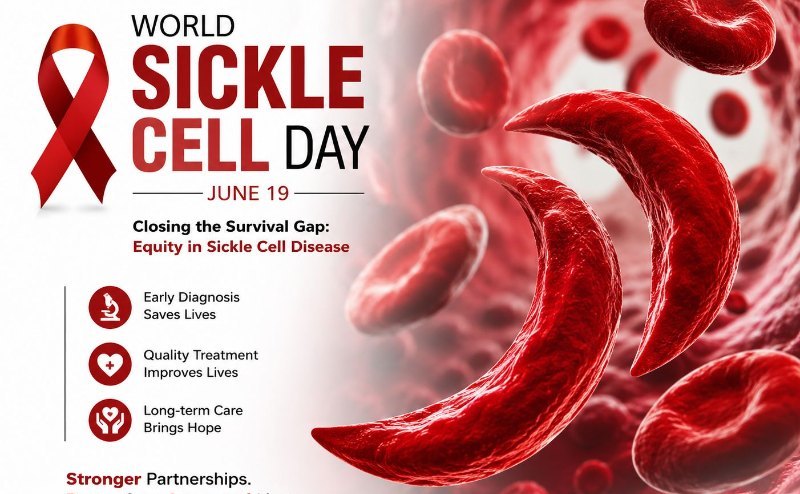
Kenya is seeking to strengthen its response to sickle cell disease through integrated and sustainable health system interventions, as the country joined the rest of the world in marking World Sickle Cell Day on June 19.
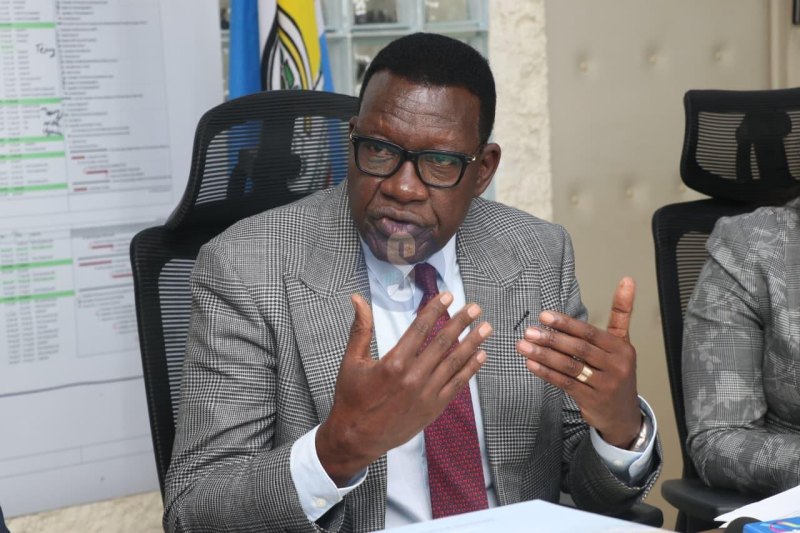
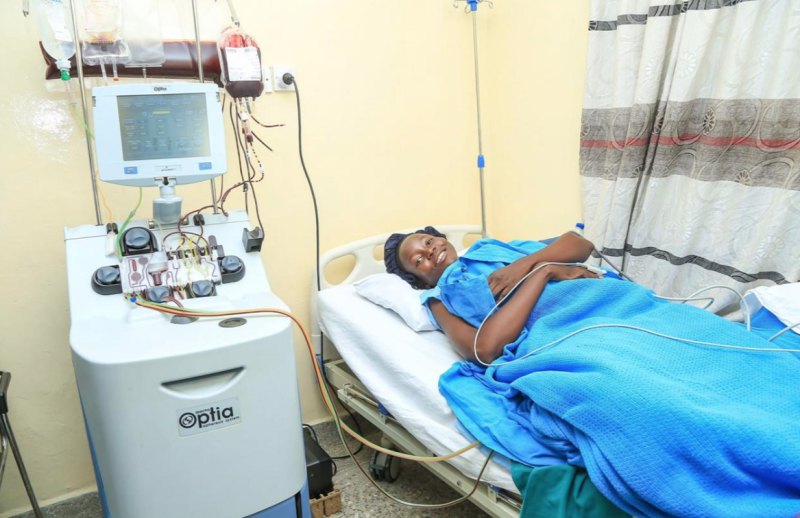
The renewed focus follows discussions between Secretary to the Cabinet Mercy Wanjau and a delegation led by Dr Sylvain Lacomble, Vice President of Terumo Blood and Cell Technologies (Terumo BCT), and Leah Kilenga, a sickle cell warrior and Board Member of the World Coalition on Sickle Cell Disease.
World Sickle Cell Day 2026 is being marked under the theme, “Closing the Survival Gap: Equity in Sickle Cell Disease,” highlighting global efforts to improve equity in access to care, early diagnosis and treatment for affected patients.
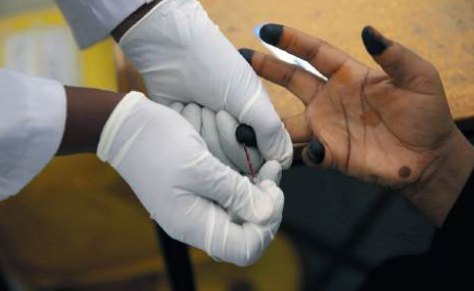
The meeting focused on improving early diagnosis, expanding access to quality treatment and strengthening long-term care systems for people living with sickle cell disease, through coordinated action between government and health stakeholders.
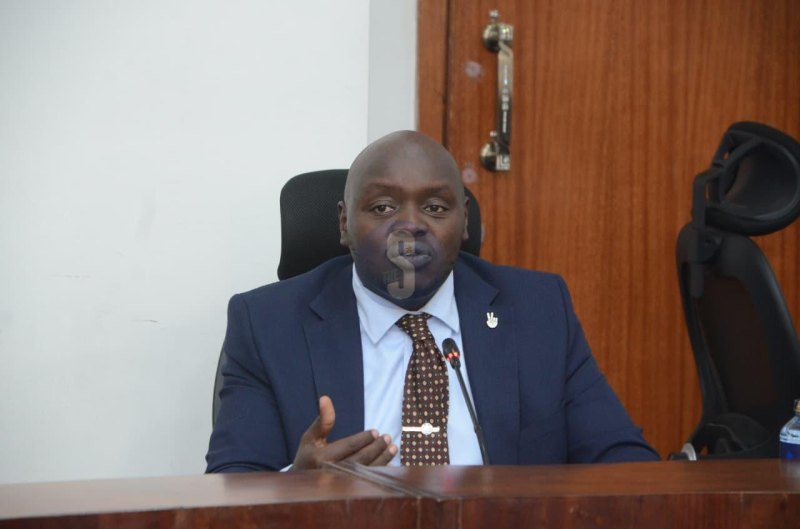
“Our engagement focused on the importance of coordinated action to improve early diagnosis, access to quality treatment and long-term care for people living with Sickle Cell Disease,” Wanjau said.
She noted that the efforts align with the government’s commitment to Universal Health Coverage (UHC), ensuring that all Kenyans have access to quality healthcare services without financial hardship.
“These efforts are aligned with the Government’s commitment to Universal Health Coverage, ensuring that all Kenyans have access to quality healthcare services without financial hardship,” she said.
Wanjau said addressing sickle cell disease requires stronger partnerships, integrated service delivery and sustained investment in health systems to build a more equitable and resilient healthcare system.
The discussions also highlighted the IMARA Framework, which seeks to strengthen screening, diagnosis, treatment and continuity of care by leveraging existing health infrastructure across the region.
According to Wanjau, the framework supports efforts aimed at improving access to services for people living with sickle cell disease while promoting continuity of care within existing healthcare systems.
The engagement brought together government and health stakeholders as part of ongoing efforts to strengthen the response to sickle cell disease through coordinated interventions and partnerships aimed at improving care and health outcomes for people living with the condition.