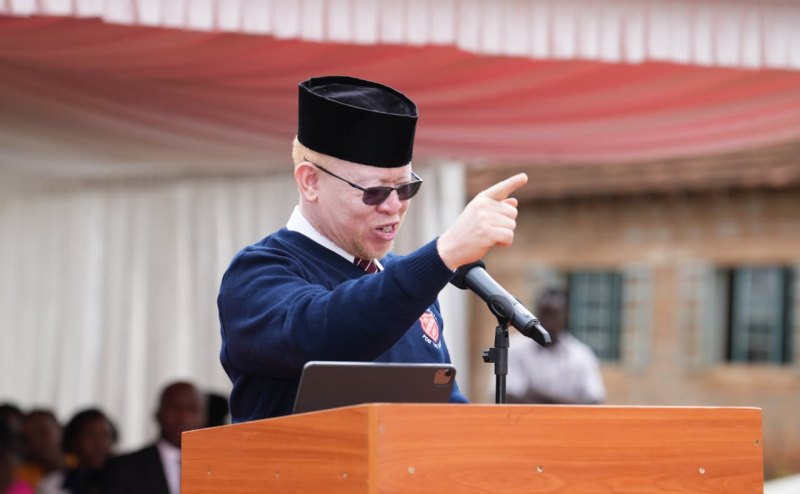
 Government Spokesman Isaac Mwaura / HANDOUT
Government Spokesperson Isaac Mwaura has called for greater inclusion, protection and empowerment of persons with albinism, as Kenya marked three major milestones in education, disability rights advocacy and global awareness.
Mwaura said the country was celebrating remarkable milestones in the national journey towards inclusion, equality and human dignity.
The event marked the 80th anniversary of Thika School for the Visually Impaired, the 20th anniversary of ASK, and the 11th International Albinism Awareness Day, observed under the theme “Proudly in My Skin: Celebrating All Skin Tones.”
Mwaura described Thika School for the Visually Impaired as a historic institution that has shaped generations of learners since its establishment in the 1940s, noting that it was the first of its kind in East and Central Africa.
He praised ASK for transforming the national conversation on albinism over the past two decades, noting that when the organisation was founded in 2006, persons with albinism faced widespread discrimination, exclusion and harmful myths.
“For 80 years, it has nurtured generations of learners who have gone on to become teachers, professionals, leaders, entrepreneurs, advocates and productive citizens. Many families lacked accurate information. Myths and misconceptions were widespread. Children with albinism were bullied, excluded and denied opportunities,” he said.
Mwaura said ASK had played a critical role in advancing advocacy, legal recognition and policy reforms, including a 2009 petition to Parliament seeking representation, access to sunscreen and formal recognition of persons with albinism.
He noted that Kenya has since made significant progress, including the establishment of the National Albinism Sunscreen and Support Programme under the National Council for Persons with Disabilities in 2013, which he described as a global best-practice model.
“For 13 consecutive years, the government of Kenya has invested approximately Sh100 million annually in this programme, amounting to nearly Sh1.3 billion,” he said.
The spokesperson also highlighted ASK’s role in saving lives during a period when persons with albinism faced ritual attacks driven by dangerous myths and superstitions in parts of East Africa.
He cited advocacy efforts that led to international policy frameworks, including the African Union Plan of Action on Albinism and the establishment of the African Union Special Envoy on Albinism.
Mwaura, who was born with albinism, recounted rejection and stigma during childhood but noted that he overcame societal limitations to rise to national leadership.
“I was born with albinism in a society that did not fully understand what albinism was. Many people formed opinions about me before they knew me,” he said.
He added that misconceptions even led to his early rejection within his own family but said such experiences strengthened his resolve to succeed.
Mwaura said that inclusion is not charity but a development imperative, warning that exclusion deprives the country of talent, productivity and innovation.
“When a child is denied education because of discrimination, Kenya loses talent. When a qualified individual is denied employment because of prejudice, Kenya loses productivity,” he said.
He called on parents, teachers, employers, religious leaders and the media to play an active role in dismantling stigma and promoting dignity for persons with albinism.
Mwaura also highlighted the life-saving importance of sunscreen for persons with albinism, saying it should not be treated as a luxury or cosmetic product but as essential medical support.
“Many families continue to struggle to access sunscreen, eye care services and dermatological support. For a person with albinism, sunscreen is the difference between good health and skin cancer,” he said.
He urged young persons with albinism to pursue education and excellence without fear, saying Kenya must become a society where every citizen can belong, participate and thrive.
As the country marked the three milestones, Mwaura reaffirmed the government's commitment to strengthening legal protections and advancing disability inclusion across all sectors.
He called for a united national effort to build a Kenya where persons with albinism are safe, respected and fully included in national life.
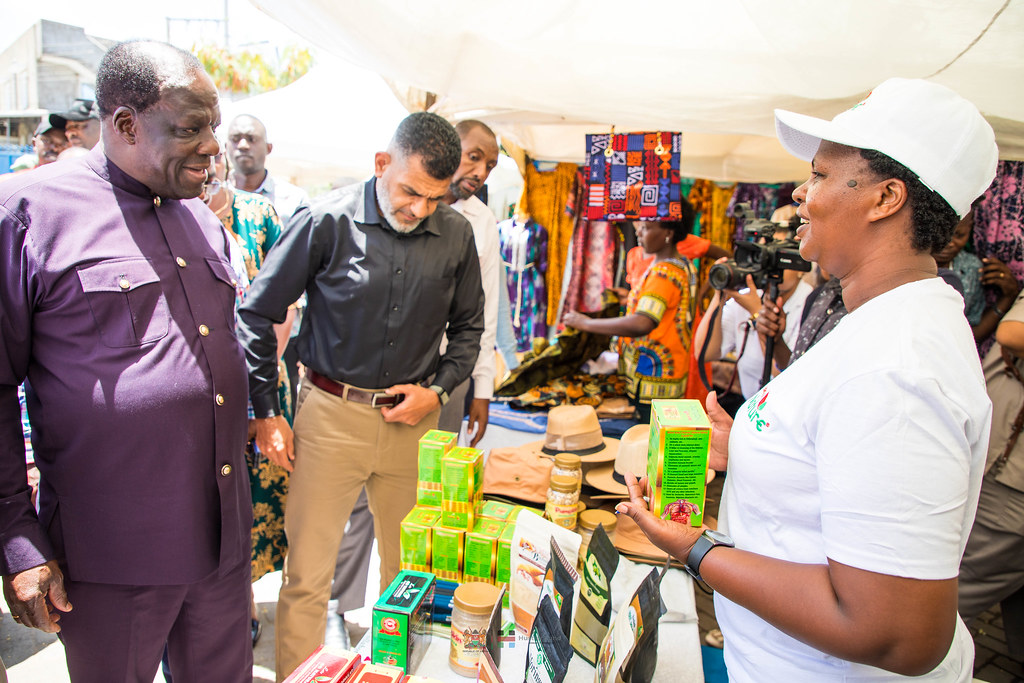
Mwaura spoke during a commemoration attended by cabinet secretaries, principal secretaries, development partners, leaders of the Albinism Society of Kenya (ASK), organisations of persons with disabilities, teachers and learners.
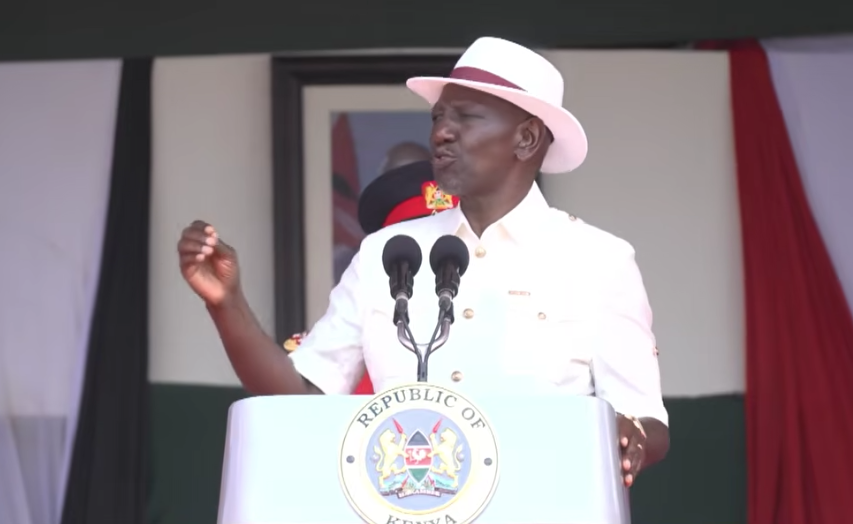
President William Ruto officially declared the institution a Centre of Excellence for Special Needs Education.
The declaration was made through a speech delivered by Education Cabinet Secretary Julius Ogamba during the International Albinism Awareness Day celebrations and the school’s 80th anniversary.
In the address, Ruto praised the institution for its eight decades of service in transforming the lives of learners with visual impairments and advancing inclusive education in Kenya.
He said the designation recognises the school’s rich history, outstanding achievements and enduring legacy in special needs education, noting that it has consistently demonstrated resilience and innovation in delivering quality learning to learners with disabilities.