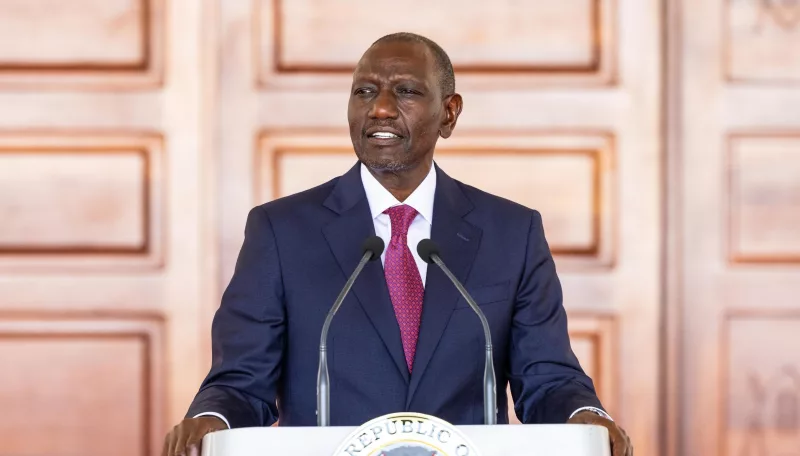
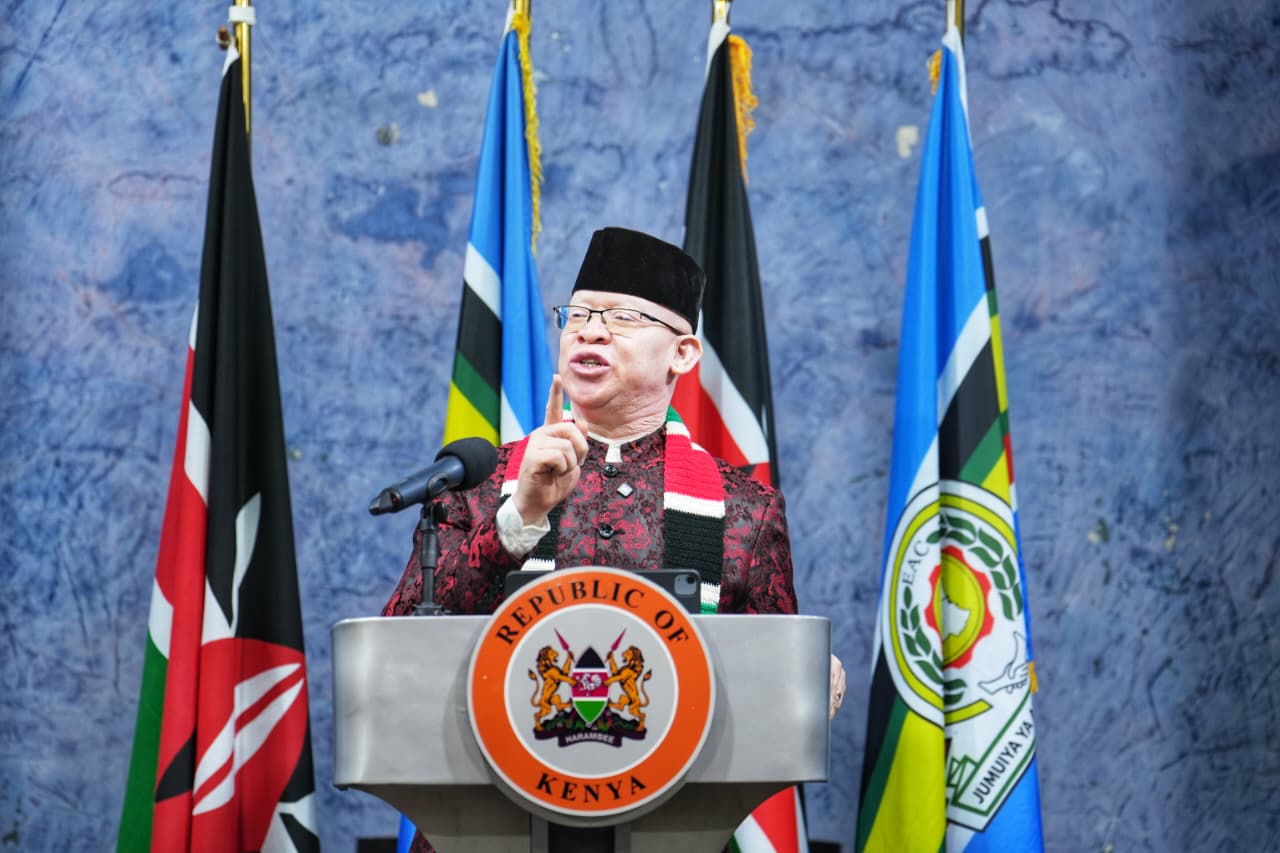
 Energy CS Opiyo Wandayi/X
Energy Cabinet Secretary Opiyo Wandayi has defended the government’s fuel pricing and importation framework, saying Kenyans would currently be paying significantly higher prices at the pump without State intervention.
Speaking during an interview on Radio Jambo, Wandayi said global oil markets remain volatile due to geopolitical tensions, including ongoing conflicts that have pushed up the cost of crude oil and related logistics.
He noted that fuel imported through the Mombasa Port is priced based on a combination of factors, including the purchase price on international markets, freight charges, insurance costs, and trader margins, commonly referred to as premiums.
“When oil costs dock at Mombasa Port, it comprises many things,” he said, explaining that the final cost structure is determined by multiple components beyond the basic purchase price.
Wandayi said the first major component is the international purchase price, which fluctuates depending on global market forces such as supply disruptions, demand levels, and geopolitical developments.
He said current prices remain elevated due to ongoing global instability, particularly driven by the US-Iran conflict.
“The first one is the purchase price from abroad, which depends on market factors. Right now, it is high due to the war,” he said.
He added that additional costs, such as freight and premiums, significantly influence the final landed cost of fuel.
According to him, these costs have also risen in recent months, further increasing pressure on fuel prices in importing countries like Kenya.
Wandayi further explained that under the Government-to-Government (G2G) fuel import framework, some cost components remain fixed, helping to stabilise prices for consumers.
He cited freight and premium charges as examples of elements that do not fluctuate under the arrangement.
“On framework, ya G to G, component of freight and premium is fixed. It does not move,” he said.
The CS provided indicative figures, noting that freight and premium charges are set at approximately USD 78 (Sh10,000) per tonne for diesel, USD 84 (Sh10,800) per tonne for petrol, and USD 97 (Sh12,500) per tonne for jet fuel.
He said these rates have remained unchanged even amid global disruptions, including the recent surge in oil prices.
“That has not changed even before the war and even when it ends, as we hope the situation improves soon,” he said.
Wandayi warned that without such arrangements, Kenya would be fully exposed to global market volatility, resulting in significantly higher fuel prices and increased cost of living.
He argued that the government’s fuel subsidy programme, combined with the G2G import model, has played a key role in cushioning consumers from extreme price shocks.
“If we were not in G2G, we would be talking about a different story,” he said.
The Energy CS maintained that the interventions are necessary to protect households and businesses from inflationary pressure driven by fuel costs, which directly affect transport, food prices, and overall economic stability.
He said the government remains committed to ensuring stable and predictable fuel prices, even as global uncertainties continue to affect energy markets.