



Global ocean conservation organisation Oceana has called on governments to place coastal communities and small-scale fishers at the centre of ocean policy decisions as Kenya prepares to host the 11th Our Ocean Conference later this month.
The conference, scheduled for June 16-18 in Mombasa, will be the first time the global event is held on the African continent.
Since its launch in 2014, the conference has generated more than 2,900 commitments valued at over $169 billion to support ocean conservation and sustainable use of marine resources.
Ahead of the meeting, Oceana said governments should strengthen protections for critical marine habitats, improve transparency in global fisheries, and ensure coastal communities have a stronger voice in decisions affecting oceans and fisheries.
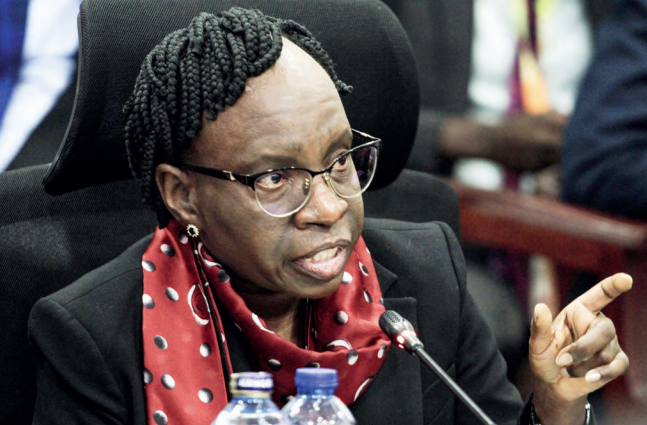
Kenya's Principal Secretary in the State Department for the Blue Economy and Fisheries, Betsy Njagi, said the conference presents an important opportunity for Africa to advance ocean governance and conservation efforts.
“For millions across Africa, the ocean is essential to food security, livelihoods, economic opportunity, and climate resilience. Yet marine ecosystems face growing threats. As the conference convenes in Africa for the first time, it marks an important milestone for ocean governance, marine conservation, and the sustainable blue economy. It is also an opportunity to strengthen international cooperation and accelerate action to protect the ocean for future generations,” said Njagi.
The conference comes at a time when concerns are growing over the health of marine ecosystems across Africa. Ocean resources support millions of people through food production, employment and trade, but conservation groups warn that overfishing, pollution and climate change are putting increasing pressure on coastal environments.
As part of the conference activities, internationally acclaimed actress and ocean advocate Kate Walsh will join Oceana's team in Mombasa.
She is expected to meet local fishers and community leaders to discuss the role of healthy oceans and sustainable fisheries in supporting livelihoods and food security.
“I’m honoured to meet with local fishers here in Kenya and hear directly from the people whose lives and livelihoods depend on healthy oceans,” said Walsh.
“Their voices must be included as leaders make decisions that will shape the future of our oceans.”
Oceana said the involvement of local fishing communities is critical in shaping policies that affect coastal livelihoods. The organisation argues that people who depend directly on marine resources should have a meaningful role in discussions on conservation and fisheries management.
Dr Christina Chemtai Hicks, a Kenyan-British Professor at Lancaster University, Pew Marine Fellow and Oceana Board Member, said coastal communities across Africa are increasingly facing economic and environmental challenges linked to declining fish stocks and climate change.
“On research trips over the years, I see the same patterns repeated from one coastline to another: marine ecosystems are facing greater pressures, fishing is becoming more dangerous, and fish are scarcer and more expensive,” said Hicks.
“Across Africa’s coastlines and around the world, fishing communities are exposed to declining fish populations, rising costs, and climate impacts. This conference is an opportunity for leaders to advance ocean policies that protect food security, livelihoods, and marine ecosystems together.”
The organisation also raised concerns about industrial fishing activities in African waters, including operations by foreign-owned fleets. According to Oceana, questions remain about transparency, accountability and equitable access to marine resources.
It noted that a significant portion of fish caught in African waters is exported to wealthier nations, reducing the amount available to local communities that depend on seafood for nutrition and income.
Oceana is advocating for stronger monitoring of fishing activities, greater transparency in vessel ownership, public access to fisheries information and stricter enforcement of existing regulations. The organisation says such measures can help combat illegal and destructive fishing practices while supporting efforts to rebuild fish populations.
The conference comes as Oceana expands its presence on the continent. Earlier this year, the organisation opened a new office in Ghana, a move it says will strengthen efforts to protect marine ecosystems, restore local fisheries and support coastal communities across Africa.
Sonia Kwami, Oceana’s Vice President in Ghana, said African countries have an opportunity to pursue practical solutions that balance conservation with economic needs.
“Oceans are a vital source of food, jobs, and economic security for millions of people across Africa,” said Kwami.
“As leaders gather in Kenya, there is a real opportunity to advance practical solutions that protect marine ecosystems, rebuild fish populations, and ensure coastal communities and small-scale fishers can continue to thrive. After all, small-scale fishers should have priority access to fish in their own waters.”
The upcoming conference is expected to focus on key issues, including ocean conservation, sustainable fisheries, climate resilience and the growth of the blue economy.
For Africa, hosting the event for the first time is being viewed as a significant milestone that could help elevate the continent’s voice in global discussions on the future of the world’s oceans and the communities that depend on them.







![[PHOTOS] Red carpet in Pretoria as Ruto begins South Africa visit](https://cdn.radioafrica.digital/image/2026/06/abe3e750-6e5a-4394-a45c-899768be6240.jpeg)