The ‘Global Status Report for Buildings and Construction
2025–2026’ by the
UN Environment Programme cites Kenya among countries developing climate
roadmaps for the construction sector.
The report
also mentions Kenya among states developing decarbonisation roadmaps for the sector.
This means Kenya is being recognised internationally as one of the African
states beginning to integrate climate thinking into urban policy.
It argues that
governments must integrate affordable housing, energy efficiency and climate
resilience as cities expand.
The study
effectively places Kenya at the centre of a wider global challenge on providing
affordable housing to a rapidly growing urban population, while avoiding the
high-emission development models followed by many industrialised nations.
The report
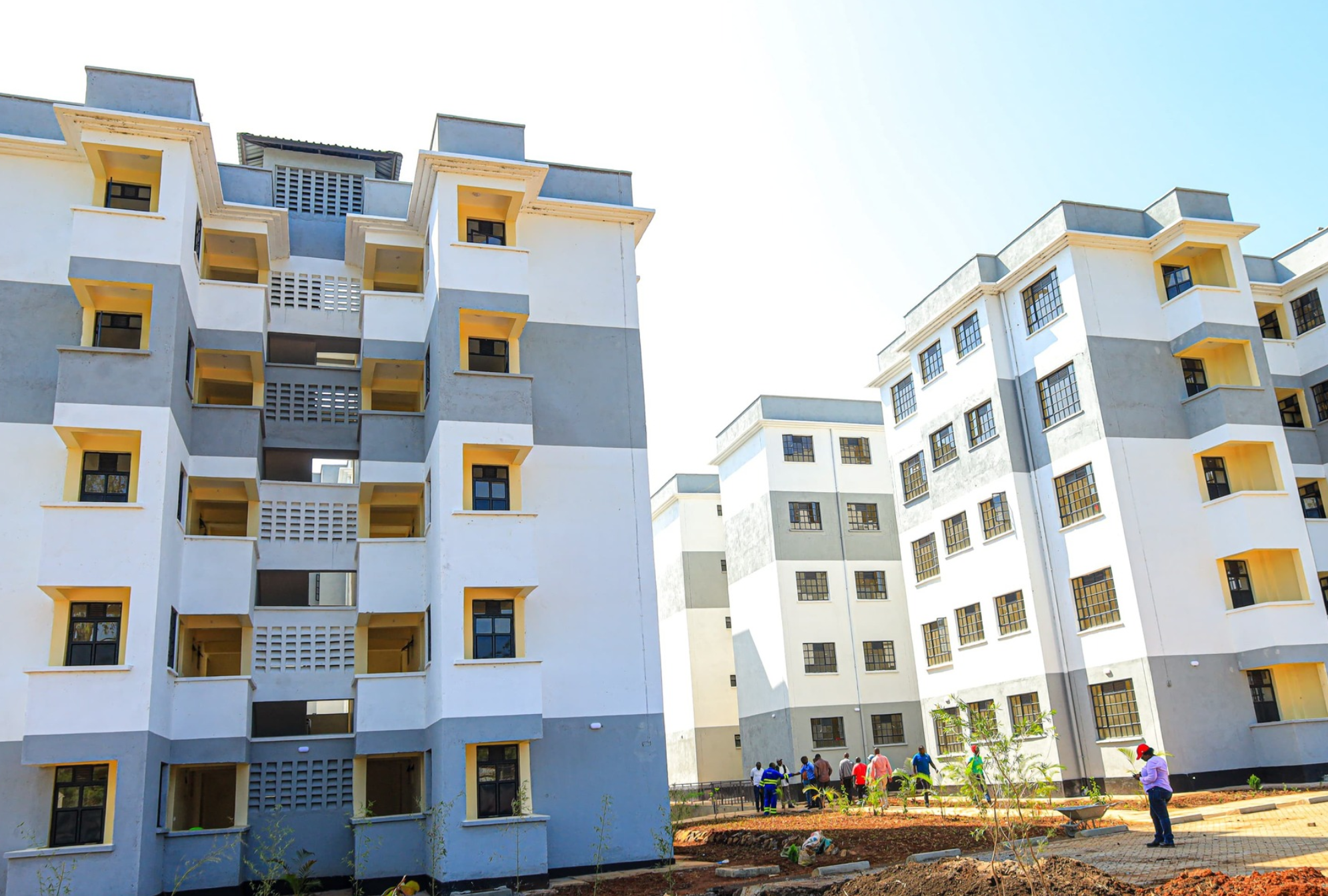
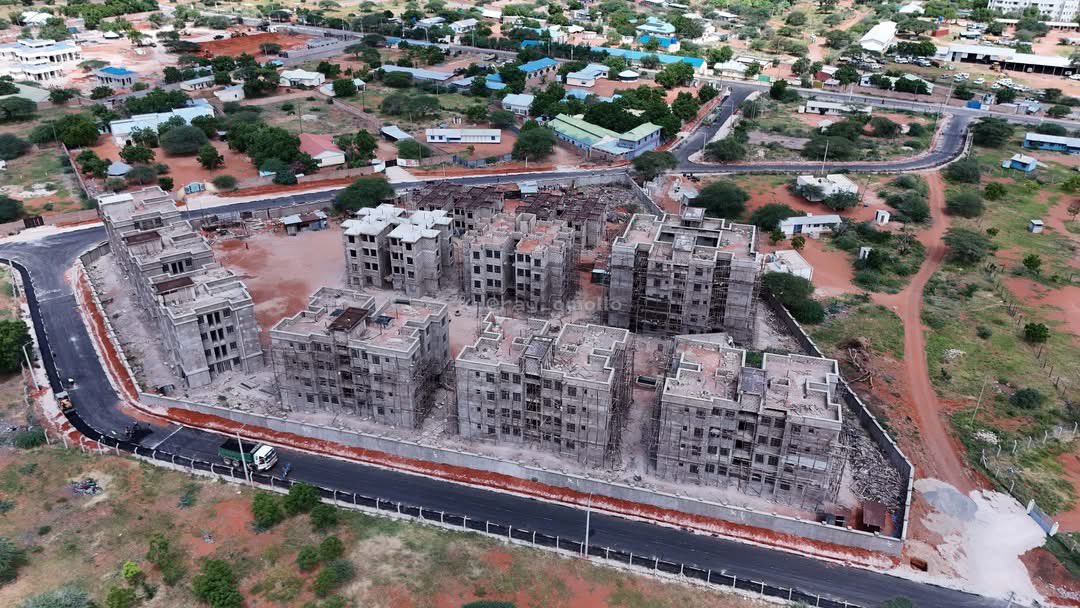
also comes as the Ruto administration pushes ahead with its flagship affordable housing programme, which has been presented as a social and
economic pillar of the Kenya Kwanza agenda.
Unep, however,
warns that nearly half of the world’s 2050 building stock has not yet been
constructed, meaning countries now urbanising rapidly still have an opportunity
to avoid locking themselves into high-carbon and inefficient infrastructure.
“The buildings
and construction sector is central to these challenges,” the report states,
noting that buildings shape how societies live, work and consume energy.
Land and
Housing Cabinet Secretary Alice
Wahome is featured in the report.
Wahome positions Kenya as pursuing “resilient and
inclusive urban development” through climate-responsive housing and green
construction standards.
“As outlined
in Kenya’s Decarbonisation Roadmap
and forthcoming Green Building Standards, climate-responsive planning combined
with evidence-based decision-making is essential to safeguarding vulnerable
communities from escalating risks such as heatwaves, flooding, and other
climate-related hazards,” the CS said.
She added that the report supports this effort by providing the
data and insights countries need to evaluate progress.
The study also identifies gaps and advances the
development of a sustainable, resilient and inclusive building and construction
sector, ensuring access to affordable housing for all.
The report
says viewing the housing affordability crisis together with the climate crisis
offers governments an opportunity to address both challenges simultaneously.
It identifies
Kenya among countries that have recently developed decarbonisation roadmaps for
the buildings and construction sector, alongside Bangladesh, Jordan and Ghana.
Additionally,
it cites Kenya’s National Building Code 2024, which came into force in March last year, as introducing standards on safety,
sustainability and energy efficiency across residential, commercial and public
buildings.
The code
mandates passive cooling strategies such as shading, natural ventilation,
insulation, evaporative cooling and reflective coatings to reduce reliance on
air conditioners and other energy-intensive cooling systems.
Unep says Kenya’s
endorsement of the Declaration de Chaillot and its role in the
Intergovernmental Council for Buildings and Climate position the country as “a
regional example” for embedding climate-responsive design into national
regulations.
The report
also highlights ongoing work by the Global Buildings Performance Network with
the State Department for Public Works to develop a national decarbonisation
roadmap for the buildings sector between 2026-40.
The roadmap
refers to a climate action plan designed to transition high-emitting sectors —
buildings, construction and industry — toward net-zero greenhouse gas emissions
by 2050. This is in alignment with the Paris Agreement and Kenya's Nationally
Determined Contribution.
According to
Unep, the roadmap seeks to strengthen green building standards, promote
low-carbon construction materials, improve energy efficiency and support
affordable housing through inclusive implementation measures.
The report,
however, also raises difficult questions for governments pursuing mass housing
projects.
It warns that
the global buildings sector remains far off track in meeting net-zero emissions
goals. Operational emissions from buildings have rose by 6.5 per cent since
2015 instead of falling sharply as required under global climate targets.
It adds that
affordable housing can rely on nature-based solutions, traditional and
low-carbon construction materials, circular economy practices and conversion of
existing buildings to reduce exposure to economic shocks and supply chain
disruptions.
The findings
are likely to strengthen the government’s argument that affordable housing is
not only a social programme but also part of climate adaptation and urban
resilience.
This is even as rapid urbanisation continues to
pile pressure on housing demand in cities such as Nairobi, Mombasa and Kisumu.
Globally,
residential buildings account for more than 77 per cent of total building floor
space and about 70 per cent of buildings’ energy demand, making housing central
to global climate efforts.
The report
further notes that around one billion people worldwide continue to live in
informal settlements, exposing millions to climate risks such as flooding,
heatwaves and poor infrastructure.
Unep says
Africa is among the regions where governments urgently need stronger building
codes and zero-emission standards as urban growth accelerates.
“At least all
G20 countries and 75 other countries should have zero-emissions aligned
building codes by 2030,” the report says, adding that such efforts are
especially urgent “in high-growth areas such as Africa.”








![[PHOTOS] The new Ngong –Naivasha Road viaduct](https://cdn.radioafrica.digital/image/2026/06/64d4f771-4432-4aee-ba3c-2f304c4436ec.jpg)