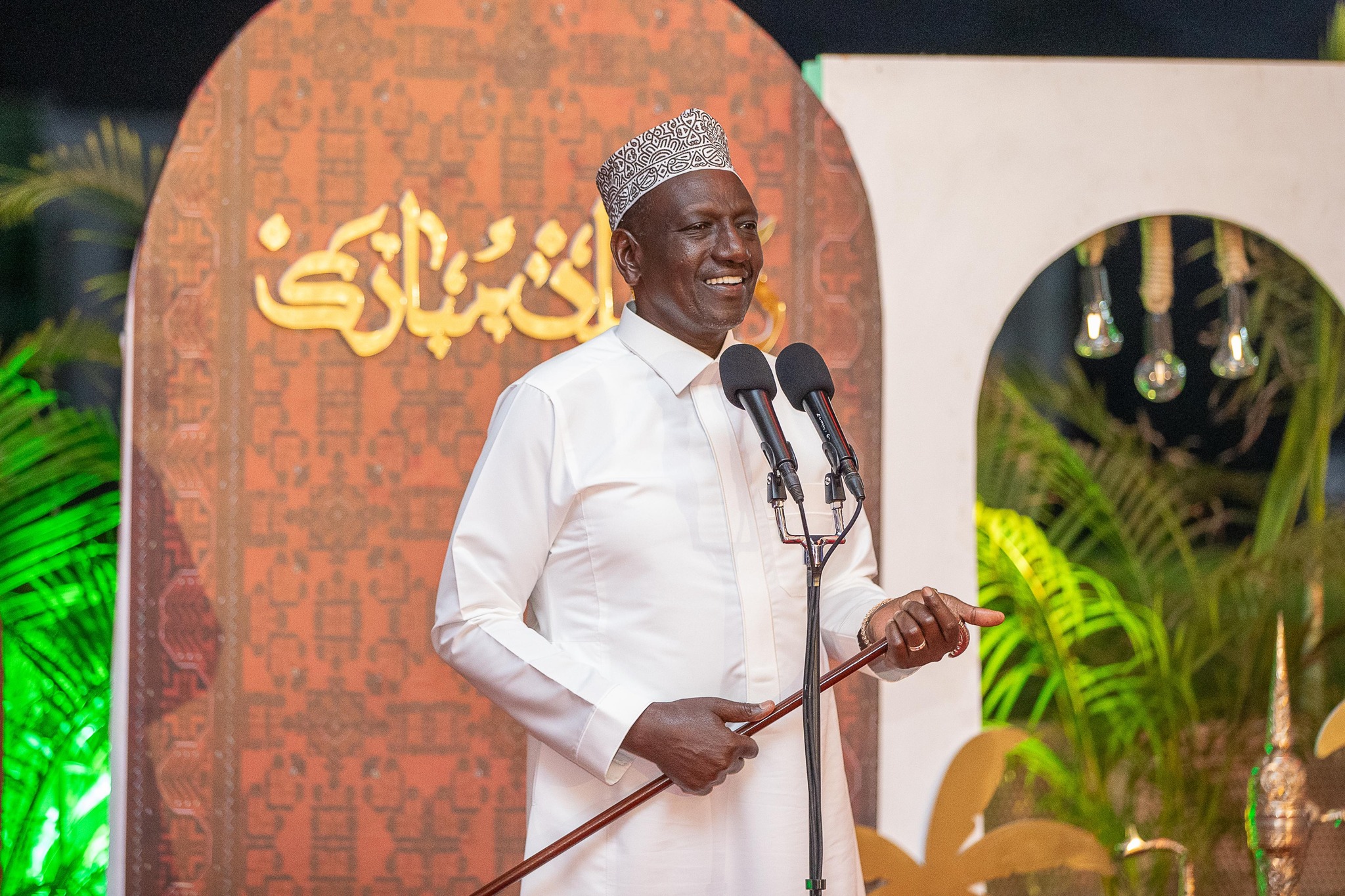
President William Ruto has extended his Eid-ul-Adha greetings to Muslim faithful in Kenya and around the world, marking the end of the Day of Arafat and the beginning of the Islamic celebration observed during the Hajj pilgrimage season.
In a message posted on X, the President wished Muslims a peaceful and joyous celebration, highlighting the spiritual significance of the occasion.
"As Muslim faithful across our country and around the world mark the end of the Day of Arafat and the beginning of Eid-ul-Adha, I extend my warmest wishes for a peaceful and joyous celebration," he said.
He noted that Eid-ul-Adha, which is observed during the sacred Hajj pilgrimage and is one of the pillars of Islam, embodies values of faith, obedience and sacrifice.
“Eid-ul-Adha, celebrated during this sacred season of the Hajj pilgrimage, one of the pillars of Islam, reflects the values of faith, obedience, and sacrifice exemplified by Prophet Ibrahim, and continues to inspire compassion, humility, and service to others.”
The President also called for reflection on social cohesion and support for vulnerable members of society, urging unity and peaceful coexistence.
“The occasion also calls upon us to remember the less fortunate, strengthen the bonds of unity and coexistence, and reaffirm our shared commitment to peace and harmony as one nation.”
He concluded his message with goodwill wishes to Muslim faithful and their families during the holy period.
“To all Muslim faithful, I wish you and your families joy, good health, and abundant blessings during this holy celebration. Eid Mubarak.”
Eid-ul-Adha, also known as the Festival of Sacrifice, is one of the most significant religious celebrations in the Islamic calendar. The day honours the willingness of Prophet Abraham (Ibrahim) to sacrifice his son in obedience to God, a story that symbolises deep faith, trust, and submission.
The holiday is observed on the 10th day of Dhu al-Hijjah, the final month of the Islamic lunar calendar, and is often marked over a period of up to three days in many countries around the world.
Eid-ul-Adha coincides with the annual Hajj pilgrimage in Mecca, Saudi Arabia, one of the five pillars of Islam. During this sacred period, millions of Muslims gather in Mecca for pilgrimage, while others across the world mark the occasion in their own communities.
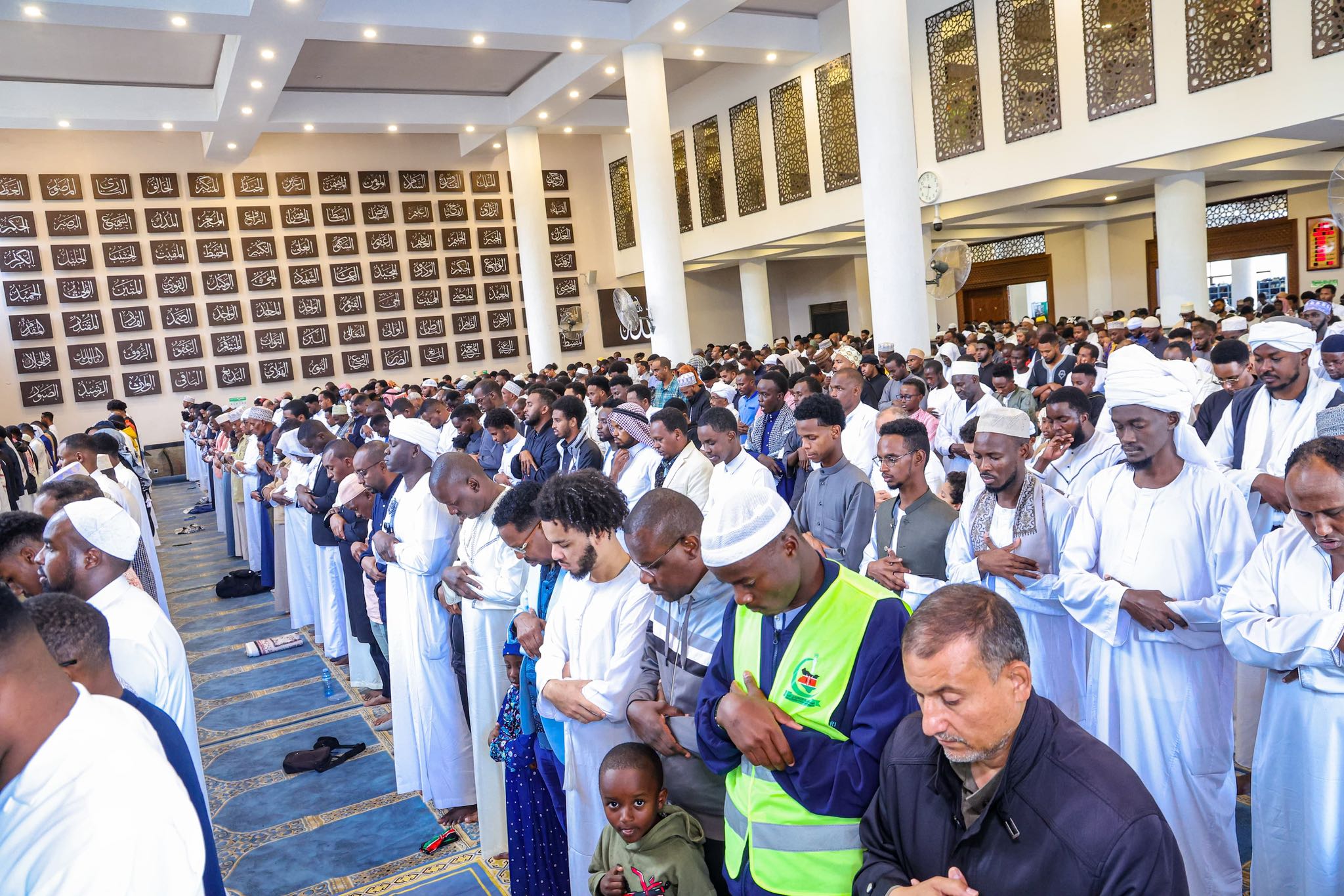
On the day of Eid, Muslims perform special prayers, usually held in mosques or large open grounds. The prayers are followed by the ritual sacrifice of an animal, commonly a goat, sheep, cow, or camel, depending on cultural and regional practices.
The holiday places strong emphasis on faith, obedience to God, charity, and community solidarity. In a key practice of the celebration, the meat from the sacrificed animal is divided into three parts: one portion for the family, another for relatives and friends, and the third for the poor and needy, reinforcing the spirit of sharing and compassion.


![[PHOTOS] The new Ngong –Naivasha Road viaduct](https://cdn.radioafrica.digital/image/2026/06/64d4f771-4432-4aee-ba3c-2f304c4436ec.jpg)