It proposes that vehicles be held for up to 48 hours
following arrest over a traffic offence, and 14 days for a criminal offence.
The bill sponsored by Yatta MP Robert Basil says that a
photograph or assessment report would suffice as evidence.
“The vehicle or motorcycle may be detained for use as
evidence in the trial of the offence committed, or for investigation of the offence
committed.”
“A vehicle or motorcycle detained…shall not be detained
for a period not exceeding 48 hours from the time of detention, where a
photograph or assessment report is sufficient,” the bill reads.
“…for a period not exceeding 14 days from the date of detention,
for purposes of investigations….”
The proposed law puts a legal obligation on
officers in charge of police stations mandating
them to ensure ‘reasonable care’ for the vehicles detained.
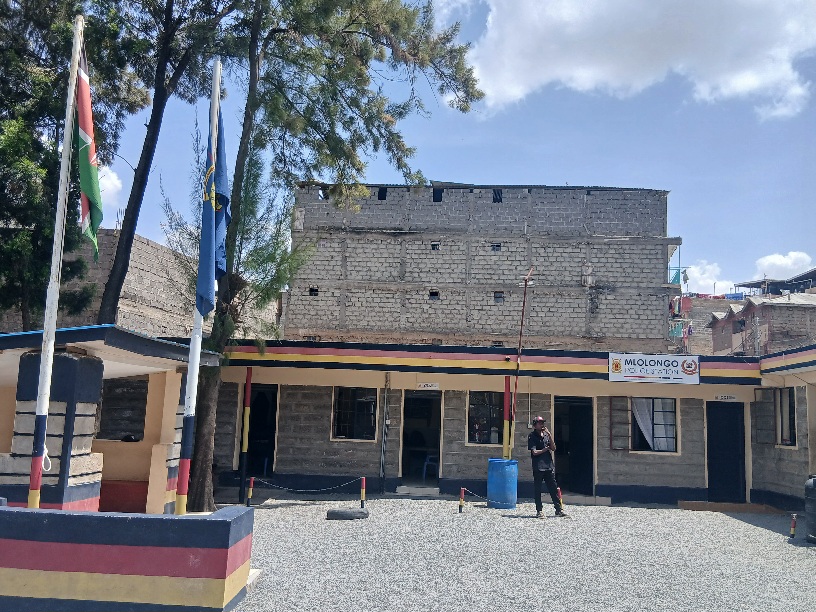
For years, motorists have complained of vehicles being
held for weeks or even months at police stations over minor traffic
infractions.
The lengthy detentions have seen the affected, despite
the loss of business, pay hefty storage fees, subjecting them to lots of
frustration.
Basil said the bill aims to “ensure owners of vehicles
and motorcycles are not unreasonably deprived of their property where their
vehicles are detained to enforce provisions of the Traffic Act.”
The Bill does not, however, override the powers of a
court.
Under Section 107A (4), nothing in the new provision
affects a court's ability to make an order under Section 121 of the Criminal
Procedure Code.
This means that a magistrate could still order longer
detention if circumstances require.
If enacted, the bill would provide clear legal recourse
for motorists whose vehicles are held for long over traffic offences.
Currently, no such statutory timelines exist under the
Traffic Act, leaving detention periods largely to the discretion of the police.
There have been numerous accounts of vehicle owners
facing mounting challenges to secure the release of their detained cars.
The 48-hour rule could come in handy for boda boda
riders, taxi drivers, and small business owners who rely on their vehicles for
daily income.
A two-day hold is far less damaging than an infinite
seizure over a dispute that could be resolved with a photograph of the alleged
offence.




![[PHOTOS] The new Ngong –Naivasha Road viaduct](https://cdn.radioafrica.digital/image/2026/06/64d4f771-4432-4aee-ba3c-2f304c4436ec.jpg)