It all begins with a burger here, a soda there and less
walking, and before they know it, many migrants become part of statistics that
show over half (54 per cent) of African immigrants in the US are obese.
Researchers interviewed African immigrants in the US, including Kenyans, Nigerians and Ghanaians.
They were asked about their weight before and after moving
to the US. At least eight in 10 gained about 11 kilogrammes in the first few years, with most of the increase linked to increased fast-food consumption, reduced
physical activity, and longer hours spent sitting at work.
The findings, published last month in the Journal of Racial and Ethnic Health Disparities, warn that health risks can quickly rise when more sedentary, high-calorie environments replace traditional lifestyles.
“The majority of participants said their diets had changed
since migration to the US, specifically, consuming more fast food and sweets
and less fruit and vegetables,” said the researchers, who include Jane Kimani
of UHAI for Health Inc, an NGO she founded to empower African immigrants with
strong ties to Kenya.
“The most common
barriers to a healthy diet reported were fruit and vegetables not tasting as good
as they did in their home African country, fruit and vegetables spoiling
quickly and difficulty in finding traditional African fruit and vegetables.”
The paper is titled, 'An Examination of African Immigrants With Overweight or Obesity:
Weight, Lifestyle Behaviours, and Body Image Following Immigration'.
The United States Census Bureau's American Community Survey (ACS), which collects data on ancestry, in 2022 said there were about 122,131 people who identified their ancestry as Kenyan in the US.
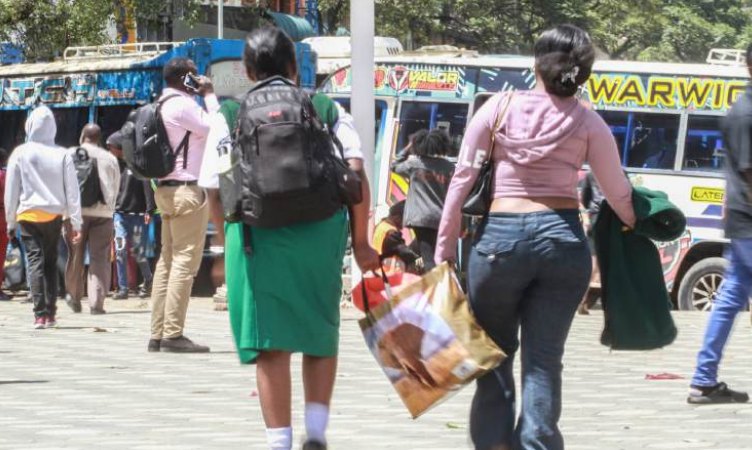
Physical activity also drops sharply, and many migrants no
longer ‘hustle’ on foot as they did back in Kenya.
They reported that their jobs in the US involved sitting for
long hours, compared to more physically active routines in Kenya. Only about
four in 10 met the recommended levels of exercise.
“About 38.10 per cent of participants met the Physical Activity
Guidelines, and the most common barriers to physical activity were feeling too
tired and being too busy. Most (87 per cent) participants desired leaner body
types,” the researchers said.
The findings mirror a broader trend seen among immigrant
populations globally, where moving into high-income countries often brings
access to more food, but also more processed, calorie-dense diets and less
daily movement.
But for Kenya, the study’s implications go far beyond
migration.
Health experts said the same conditions driving weight gain
abroad are now emerging locally, especially in urban areas like Nairobi, Mombasa
and Kisumu, where fast food chains are expanding rapidly, processed foods are
becoming cheaper and more available, and lifestyles are increasingly sedentary.
Traditional Kenyan diets are rich in whole grains,
vegetables and home-cooked meals.
Physical activity is also built into daily
life through walking, farming and manual work. But that is changing fast,
especially among younger, urban populations.
“Results also found that more recent African immigrants were
more likely to have unhealthy BMI after migration than those who migrated
earlier,” Kimani’s team said.
"This may be partly explained by the recent infiltration of Western
diets and sedentary lifestyles in Africa, particularly in urban areas.”
“Future research is needed to investigate how diet and physical
activity have changed in Africa in recent years.”
The researchers noted one limitation is that they required
their participants to have lived in the US for at least three years, but they could not be
sure that three years is enough time for immigrants to adopt American diet and
physical activity habits.



 The Statue of Liberty in New York. Kenyans reported that their jobs in the US involved sitting for long hours, compared to more physically active routines back home.


![[PHOTOS] The new Ngong –Naivasha Road viaduct](https://cdn.radioafrica.digital/image/2026/06/64d4f771-4432-4aee-ba3c-2f304c4436ec.jpg)