 Traffic officers at work/FILE.
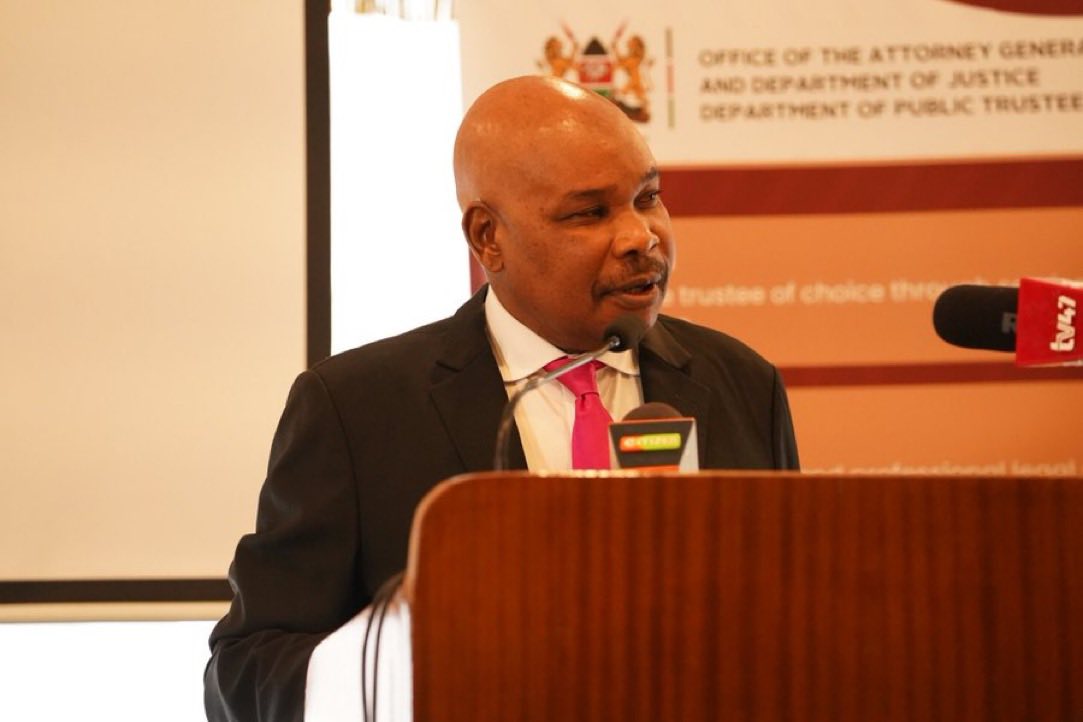
The Ethics and Anti-Corruption Commission (EACC) Chief Executive Officer Abdi Mohamud has criticised a series of court petitions that have stalled the rollout of a proposed digital traffic fines system, saying the legal challenges are frustrating key anti-corruption reforms.
The proposed National Transport and Safety Authority (NTSA) initiative, which sought to introduce instant digital fines for minor traffic offences, has been halted after multiple court cases challenged its legality and implementation process.
The reform, which was backed by the EACC, aimed to decriminalise minor traffic offences by replacing court processes with instant mobile payments.
Under the system, offenders would receive fines directly on their phones and pay through digital platforms, eliminating physical interaction with traffic officers—an approach designed to reduce bribery on Kenyan roads.
The plan also included the rollout of CCTV surveillance systems in major urban centres to improve enforcement and strengthen accountability.
Speaking during an EACC workshop with media practitioners on Tuesday, April 14, Mohamud said the initiative was part of broader efforts to seal corruption loopholes, particularly those linked to cash-based transactions at the roadside.
However, he noted that soon after the proposal was introduced, several petitions were filed in court challenging both its legal basis and procedural rollout, effectively halting implementation despite earlier government timelines.
“These people move to courts. They are filling petitions, all manner of petitions. Whether they want to extort or what they want to do, we have no idea,” Mohamud said.
The CEO said the legal actions have slowed down reforms that were expected to be implemented within two to three months under government directives, warning that the delays are undermining efforts to modernise traffic enforcement.
Officials have also raised concerns over what they term a growing trend of litigation being used to block policy changes, including reforms aimed at improving governance and reducing corruption.
Stakeholders are now questioning whether such court challenges serve the public interest or are being used to frustrate reform processes.
The delay has also affected broader efforts to streamline traffic offence management and reduce corruption opportunities on Kenyan roads.
Meanwhile, concerns have emerged over public attitudes toward corruption, with surveys indicating that a notable number of young people could engage in corrupt practices if given the opportunity.
The EACC has now called on media practitioners and the public to better understand anti-corruption initiatives, improve communication around reforms, and support accountability efforts across all sectors in order to strengthen long-term governance reforms.



![[PHOTOS] The new Ngong –Naivasha Road viaduct](https://cdn.radioafrica.digital/image/2026/06/64d4f771-4432-4aee-ba3c-2f304c4436ec.jpg)