Bhang remains the most seized illicit drug in Kenya,
with new security data showing that the bulk of confiscations continue to come
from Nairobi and the Central region.
This even as police admit the country still remains
both destination and transit point for narcotics.
“Kenya continues to serve as both destination and
transit point for narcotics destined for Southern and Western Africa, Asia, Europe,
the Middle East and the Americans,” a police document tabled in Parliament on Thursday shows.
The data indicates trends that reflect both high demand
and well-established distribution networks in the two regions, which have
increasingly become focal points for the country’s drug trade.
Nairobi, in
particular, stands out as a major consumption and redistribution hub, with law
enforcement officers reporting frequent recoveries in estates and along key
transport routes within the city.
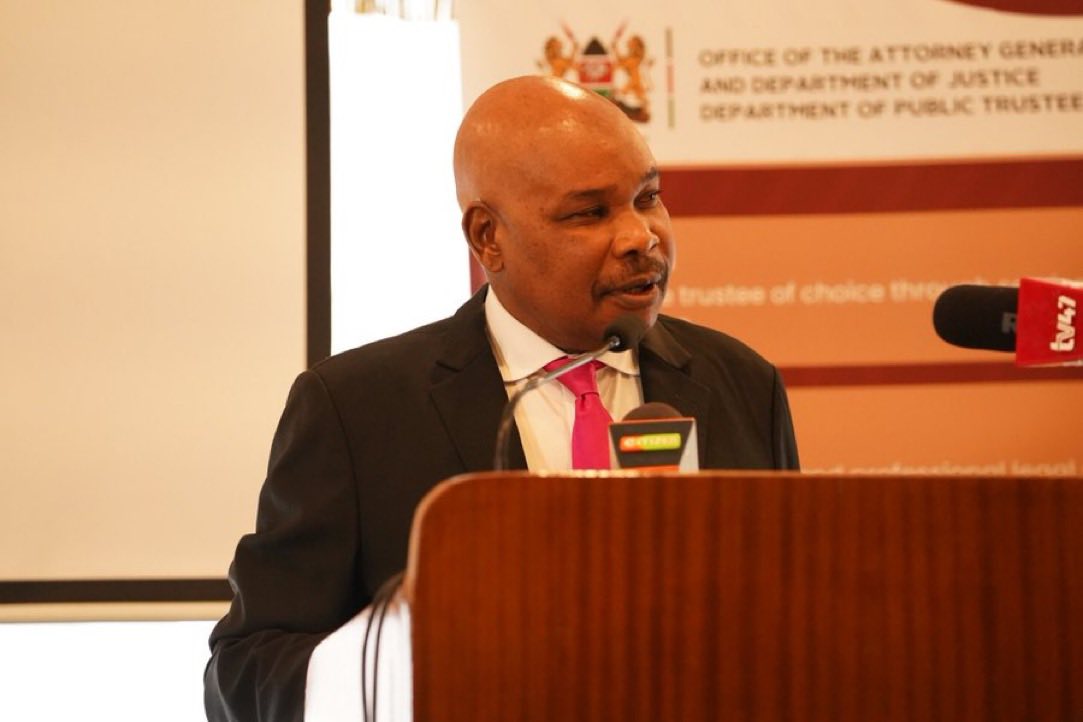
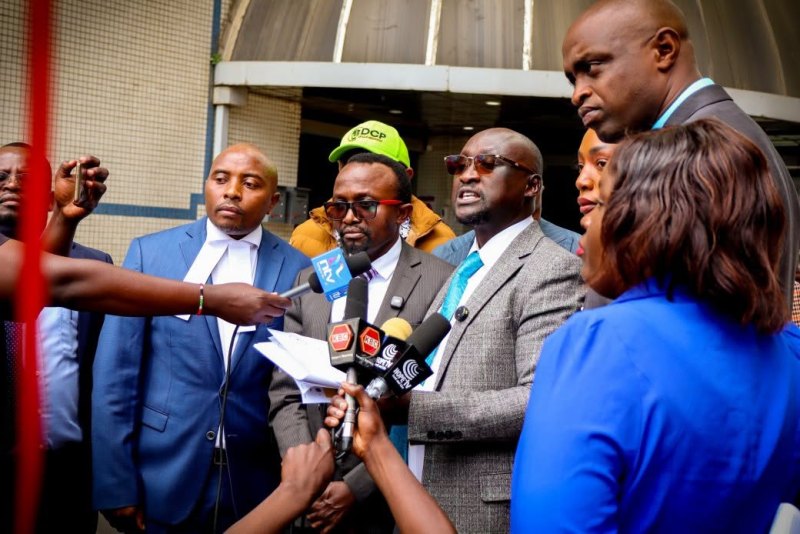
The revelations emerged on Thursday during a session
between MPs and DCI boss Mohamed Amin.
Amin was appearing before the National Assembly’s
National Administration Committee to appraise the team on the status of implementation
of the Presidential directive on combatting illicit alcohol, drug trafficking and
substance abuse.
“Bhang accounts for over 98 per cent of all drug
seizures, indicating it remains the dominant narcotic,” the spy chief told MPs.
According to police data, a record 5100 kilogrammes of
bhang and Cocaine (485.36 gms) were impounded
between January and March 2026.
Police also impounded 1.845 kilogrammes of heroin and a
further 20 tablets of Cozepam.
Central region has also recorded significant volumes,
with officers linking the trend to its strategic position along major highways
feeding into the capital.
“Central and Nairobi regions recorded the highest
arrest volumes, indicating urban distribution hubs," Amin said.
Security agencies note that traffickers often
consolidate shipments in the region before dispatching them to urban markets.
At the same time, Rift Valley and Coast regions have
registered notable bulk seizures, raising concerns among investigators that the
two areas are being used as transit corridors for large consignments.
In the Coast, officials point to the use of road
networks connected to port entry points, while in Rift Valley, the expansive
highway system is said to be facilitating movement of the drug across counties.
“The minimal foreign involvement suggests
predominantly local networks with limited but notable international links,” the
DCI boss explained.
“These operations demonstrate sustained disruption of
both supply chains and distribution networks.”
Between the months of January and March this year, a
total of 1690 persons have been arrested with 1,371 found in possession of drugs and 41 were cultivating the illicit
drugs.
The police has also arrested 278 people over drug
trafficking this year.
The narcotics trade, according to police, is concentrated
in at least nine counties. They are Mombasa, Migori, Kwale, Kilifi, Lamu,
Nairobi, Kisii, Marsabit and Garissa.
“Drug traffickers have adopted sophisticated methods,
including the use of ungazetted entry points along Kenya’s borders with
Ethiopia, Tanzania and Uganda to facilitate cross-border movement of
narcotics."
From the police documents, 463 traffickers have been arrested from Central, Eastern (202), Rift valley (161), Nairobi (133), Coast (76), Western (74), Nyanza (72) and North Eastern (5).
Amin cautioned that the proliferation of drugs has led to drug-related crimes, public health challenges and social instability within communities.
"The economic burden on the health sector remains significant, with substantial public resources being spent annually on treatment and rehabilitation of drug users," he said.
"In recognition of the threat posed by drug trafficking and substance abuse, the President declared the vice a serious threat to national stability and directed nationwide crackdown."
Police have vowed to intensify crackdowns,
particularly along identified transit routes and urban distribution points, as
part of broader efforts to dismantle trafficking networks.
“The revamping and expansion of the Anti-Narcotics
Unit is a critical strategic intervention in addressing the growing threat of
illicit alcohol and drug trafficking in the country,” police said.
“With adequate resounding, enhanced capacity and sustained
multi-agency collaboration, the National Police Service will significantly
disrupt illicit alcohol syndicates, drug trafficking networks and reduce
drug abuse in the country.”



![[PHOTOS] The new Ngong –Naivasha Road viaduct](https://cdn.radioafrica.digital/image/2026/06/64d4f771-4432-4aee-ba3c-2f304c4436ec.jpg)