Thousands of inmates across Kenya are
living in squalid, life-threatening conditions, exposed to raw sewage,
rodent-infested food stores, collapsing ceilings and carcinogenic asbestos
roofing.
A damning audit has laid bare the
shocking state of correctional facilities, exposing a system marked by
crumbling infrastructure, severe congestion, health hazards and glaring
security risks.
In a report, Auditor General Nancy
Gathungu paints a grim picture of neglect across dozens of prisons, with a
correctional service struggling to function.
Auditors found that inmates and staff
are forced to live and work in conditions that breach the law and undermine
basic human dignity.
The crisis ranges from leaking roofs
and broken sewer systems to rodent-infested food stores and the absence of
perimeter walls.
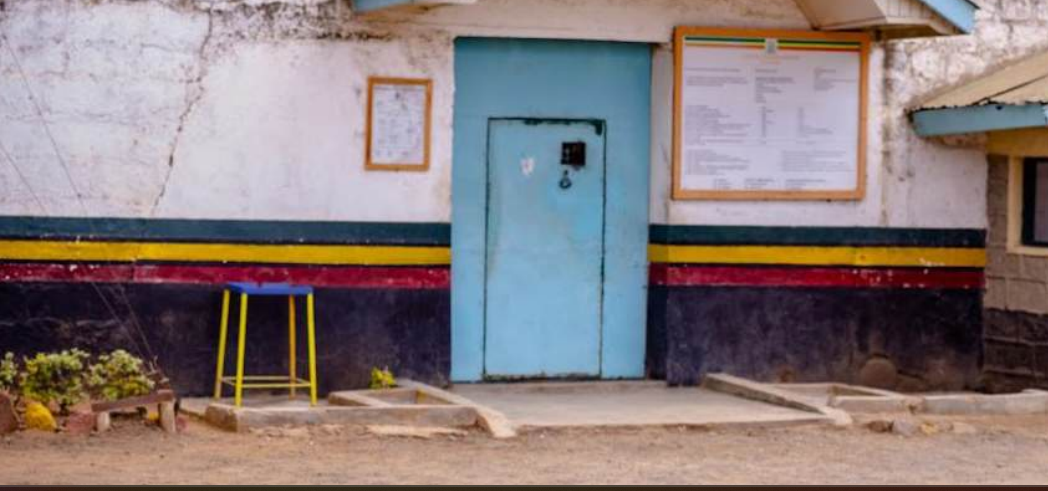
At Nairobi Medium Prison, inmates are
housed in wards with cracked floors riddled with potholes, leaking roofs and
stained walls.
The facility lacks a backup generator
and has no CCTV surveillance, leaving authorities blind during blackouts.
Even more alarming is the state of the
kitchen, where meals are prepared in a dilapidated structure with poor drainage
and stagnant water.
“The floor has potholes, which makes it
impossible to clean thoroughly, and this might expose inmates to health hazards
and outbreaks of diseases,” the report states.
Similar conditions were reported across
23 prison facilities audited for the period ending June 30, 2025, putting the
Correctional Services department on the spot.
According to Gathungu, the situation
violates Section 6(1) of the Occupational Safety and Health Act, which requires
employers to ensure the safety, health and welfare of all persons at the
workplace.
“Management is in breach of the law,”
the report warns, adding that service delivery may be severely impaired by the
deteriorating infrastructure.
At Nanyuki Main Prison, capital wards
have no ceilings, posing serious safety and security risks.
Floors are broken, toilets are in
disrepair and kitchens require urgent roofing works.
Staff houses, some roofed with
asbestos, are also dilapidated.
In Meru Main Prison, at least 10 wards
require new roofing and structural repairs, while nearly 100 staff houses need
refurbishment. Key administrative offices, including the armoury, are also in
poor condition.
The rot extends to food storage.
At Nairobi West Prison, auditors found
a makeshift food store built from old iron sheets and raised on timber poles,
allowing rats to access supplies.
Some food items were found scattered
beneath the structure, while rainwater leaks further increased the risk of
contamination.
“The strength of the poles is doubtful…
and the store is not well ventilated,” the report notes.
The situation is compounded by failing
infrastructure.
A key water pump at Nairobi West broke
down in 2023 and has not been replaced, disrupting the water supply.
Elsewhere, sewer systems are
overwhelmed, frequently stalling during rains and exposing inmates to waste.
At Lang'ata Women's Prison, staff housing
blocks show structural weakness due to water seepage, while overloaded
electrical systems pose fire risks. Inmates’ wards require urgent repairs,
including roofing, flooring and plumbing.
Congestion is another recurring crisis
in facilities holding about 60,000 inmates.
At Nanyuki Women's Prison and Meru Women's Prison, wards are severely overcrowded, with no dedicated spaces for children
living with incarcerated mothers.
In some cases, remand prisoners and
convicts share wards due to a lack of space.
At Kwale Women's Prison, only two
functional wards exist, making it impossible to separate inmates by category,
undermining both security and rehabilitation.
According to the report tabled in
Parliament recently, security gaps are widespread.
Facilities such as Mwingi Main Prison
and Kaloleni Prison lack perimeter walls and modern watchtowers.
Others, including Nyeri Maximum
Security Prison, operate without adequate CCTV despite recommendations from
security agencies.
In Embu, inmates are held behind a
“live fence”, which is essentially a hedge, raising serious concerns about
containment.
The audit also highlights widespread
use of asbestos roofing in staff houses and prison structures, exposing
occupants to long-term health risks.
In some facilities, condemned staff
houses remain occupied due to a lack of alternatives.
At Kitui Main Prison, 17 housing units
deemed uninhabitable are still in use, while dozens more require overhaul.
Similar conditions were reported in Kilifi and Malindi.
The sanitation crisis is equally dire.
At Malindi Main Prison, an overflowing
septic tank discharges raw sewage into nearby areas, posing a public health
risk.
A planned upgrade costing nearly Sh10
million has stalled due to a lack of funding.
Elsewhere, outdated or non-existent
sewer systems leave prisons reliant on failing septic tanks that frequently
overflow.
The audit also flags stalled or
unfunded projects, including modern kitchens, health facilities and perimeter
fencing, despite bills of quantities running into millions of shillings.
In Mwingi, proposed improvements worth more than Sh18 million remain unimplemented years after costing.
Across the country, staff housing has
also been neglected, with officers forced to live in condemned or substandard
units.
In Kilifi, dozens of housing units have
been condemned but remain occupied, while in Nairobi Remand Prison, hundreds of
mabati structures described as shanties require upgrading.
The audit further documents stalled
projects worth millions.
In Meru, construction of accommodation
wards and an administration block stalled at 45 per cent, while a staff housing
project halted at 20 per cent.
At Nairobi Remand Prison, a Sh7.6
million biodigester project has seen no progress since 2013.
At Kamiti, a generator has not been in
use since 2015 due to a lack of spare parts.
Poor workmanship was flagged at the Machakos
Women's Prison perimeter wall, while Meru Women's Prison has accommodation wards
stalled at first floor.
The wall had physical cracks, and some
parts were not as straight as required. At Kaloleni prison, a mixed block
started in 2015 has stalled at the slab level.
“In the circumstances, value for money
for the expenditure incurred on the stalled projects could not be confirmed,”
Gathungu said.
The findings raise fresh questions
about the government’s commitment to prison reforms and the welfare of inmates
and staff.
Human rights groups have long decried
overcrowding, poor sanitation and inadequate healthcare in prisons.
The latest audit reinforces those
concerns with detailed, facility-level evidence of systemic failure.
For inmates, the consequences include exposure
to disease, unsafe living conditions and limited access to basic services.
For prison officers, the risks include
unsafe housing, poor working conditions and heightened security threats.
The audit concludes that management is
in breach of the law, laying bare a correctional system in crisis.
It also speaks to failure by concerned authorities
to guarantee safe, humane and lawful conditions for those in state custody.




![[PHOTOS] The new Ngong –Naivasha Road viaduct](https://cdn.radioafrica.digital/image/2026/06/64d4f771-4432-4aee-ba3c-2f304c4436ec.jpg)