
The Russian embassy in Nairobi on Thursday dismissed
“dangerous and misleading” allegations it was facilitating recruitment of
Kenyans to fight in Ukraine.
This came after a National Intelligence Service report
tabled in the National Assembly linked some of its staff in the collusion.
Presenting the report to MPs, National Assembly Majority
leader Kimani Ichung'wah explained how recruitment agencies have allegedly been
colluding with rogue officers from Kenya Airports Authority, Immigration, DCI
and National Employment Authority to facilitate recruits' travel.
Ichung'wah (Kikuyu) said the officers from the
aforementioned agencies have also been colluding with staff at the Russian
embassy and the Kenyan embassy in Moscow to help recruits get Russian visas.
However, the embassy in the statement dismissed the
accusations as a “propaganda campaign”. It said Russian authorities have never
engaged in illegal recruitment of Kenyan citizens.
The embassy also said it had not issued visas to Kenyans who
sought to travel to Russia specifically to participate in what Moscow calls its
“Special Military Operation” in Ukraine.
At the same time, it clarified that Russian law allows
foreign nationals who are legally present in the country to voluntarily enlist
in the Russian military.
That clarification has kept the issue in the spotlight in
Kenya, where concerns have grown over the widespread recruitment of Kenyans
even without military experience into the war.
Some victims and returnees have also narrated how they were
duped by agents on the kind of work they were being hired for, with most saying
they were promised jobs as guards and drivers.
The recent statement, however, raises more questions than
answers.
While the statement denies embassy involvement, it does not
address whether private actors or intermediaries may be recruiting Kenyans.
With the NIS report indicating more than 1,000 Kenyans have
been recruited, their visas were processed by the embassy in Nairobi.
In September last year, police arrested Russian national
Mikhail Lyapin, whom they initially said was a staffer at the embassy.
The Russian embassy rejected claims Lyapin was a staff, and
the claim that he was arrested and deported in connection with alleged
recruitment activities.
At the time, the embassy said Lyapin had only been
questioned by officers from the DCI about his business activities before
leaving the country as previously planned.
Questions were raised why the Russian national wasn’t
prosecuted despite the DCI initially indicating Lyapin was being processed for
prosecution.
That incident marked one of the earliest public
controversies linked to claims that Kenyans were being recruited to fight in
Ukraine. Other African nationals have also been recruited in the Russian
military.
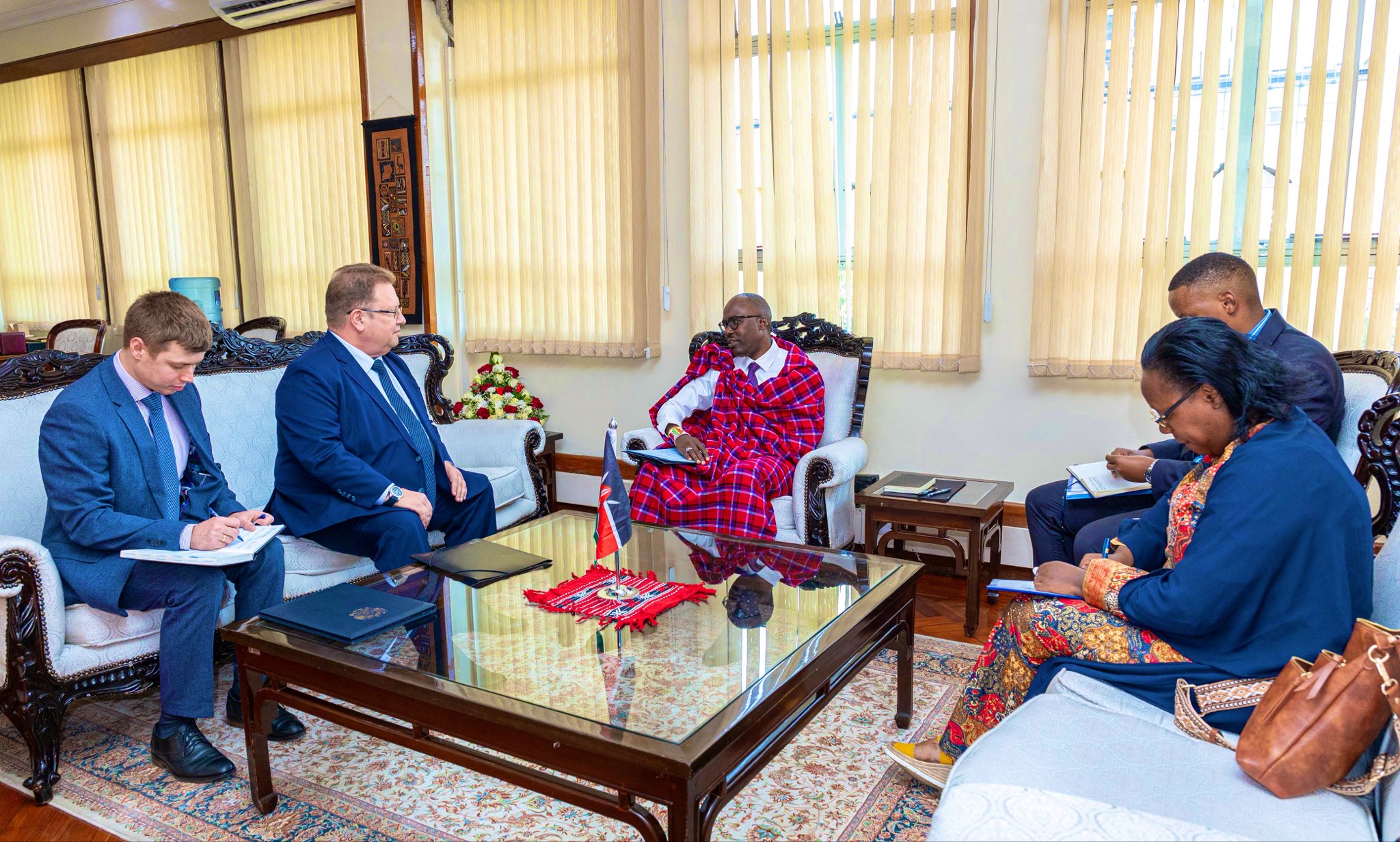
While the embassy said it has remained in close contact with
Kenyan government on the issue and expressed openness to dialogue, Foreign
Affairs CS Musalia Mudavadi has been compelled to travel to Moscow next month
to address the matter.
In a recent interview with the BBC, Mudavadi termed the
recruitment "unacceptable and clandestine", and that he would urge
Moscow to sign a deal banning the conscription of Kenyan soldiers.
A security and foreign affairs expert who sought anonymity
poked holes into the Russian statement, saying the embassy was being economical
with the truth.
“There's no way civilians from a foreign state can be
enlisted to, for example, our army without the Kenya Defence Forces knowing. If
Kenyans are ending up in the war, how are they reaching Russia and entering the
military system?” the analyst said.
“The statement denies recruitment but does not explain the
pathway that leads to enlistment. In essence, the embassy denies involvement
but does not address how Kenyans reportedly join the military once in Russia.”
While the embassy highlighted bilateral discussions on
labour migration, travel arrangements and coordination between national law
enforcement and security agencies, it did not address reports that Kenyans are
already participating in combat in Ukraine.
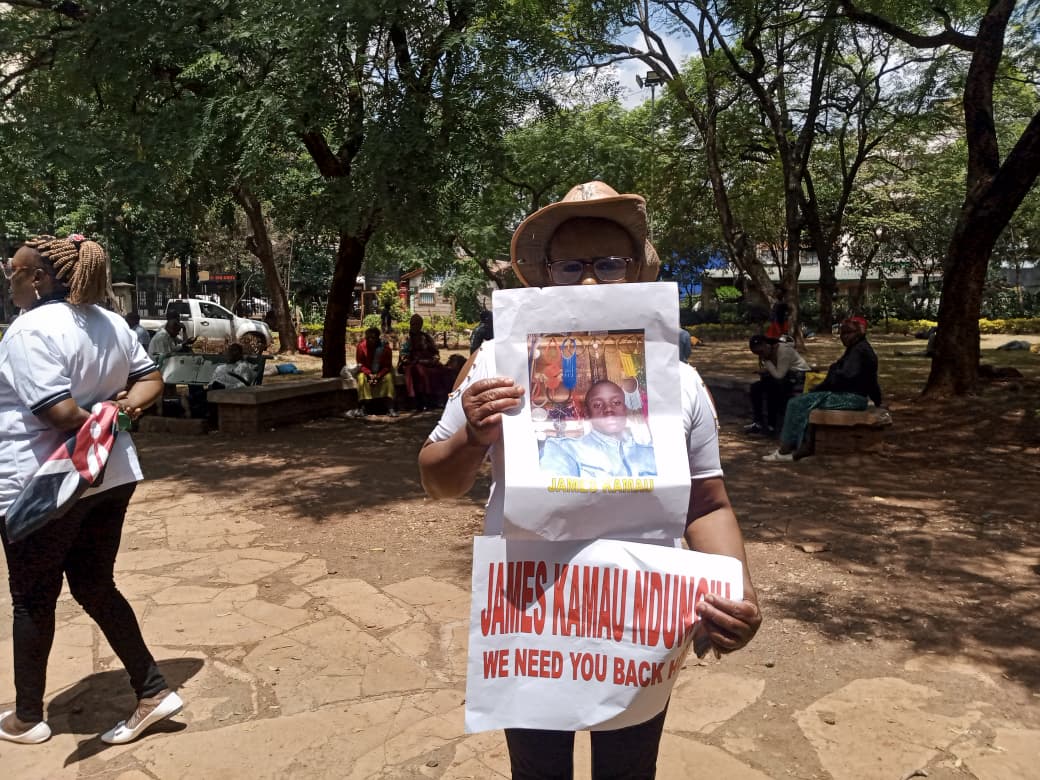
Despite several families speaking of their deceased, injured
or missing kin, another major omission is the status of Kenyans already there.
It failed to answer whether any Kenyans have died in the
conflict, reported missing and whether families have contacted the embassy.
The Star has learnt that the embassy has been directing
families of the victims to the Ministry of Foreign Affairs.