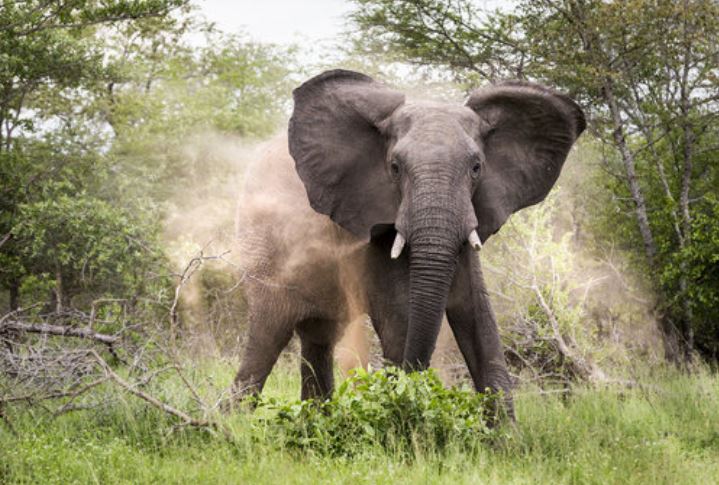
An elephant attacked and killed a
herdsman in an incident at a ranch in Mwatate, Taita Taveta County.
Police said the victim was identified
as Hassan Hoshow, 48, and was a herdsman in Mwananchi Ranch.
He was herding his cattle in the ranch
when he was confronted by an elephant and killed.
His body, with fractured legs and arms, was found on the ground. The wild animal had escaped by the time other herders
responded on Thursday, January 15, 2026.
The police and Kenya Wildlife Service
personnel visited the scene and announced they had opened an investigation into
the same.
The family was advised to file for
compensation for the death. This is the latest such incident of human-wildlife
conflict to be reported amid efforts to address the menace.
Officials said there has been a rise
in such incidents as the conflict keeps escalating in separate parts that are
near national parks.
Most of the animals at times stray
from the parks to nearby villages where they attack locals. Government agencies
are making efforts to address the menace amid scarce resources, officials
revealed.
In May 2025, Kenya introduced the third phase of its Human–Wildlife Conflict Compensation Programme, an initiative aimed at addressing these incidents and supporting affected families.
During its launch at Meru National Park, President William Ruto unveiled the innovative Wildlife Conservation Card, a new tool designed to help fund conservation efforts.
“Compensation is justice, but prevention is progress,” Ruto said, emphasising the need for long-term solutions that benefit both people and wildlife.
“Through the Conservation Card, fencing, and community‑led tourism, we are turning conflict into opportunity,” he added.
Developed in partnership with KCB Bank, the Wildlife Conservation Card is available in three tiers—Platinum (Elephant), Gold (Lion), and Silver (Cheetah).
A portion of every transaction made with the card (Sh10, Sh5, and Sh3, respectively) goes directly to the Wildlife Conservation Trust Fund.
The initiative aims to enable Kenyans and international supporters to contribute to wildlife conservation while fostering economic benefits for local communities.
With this new approach, Kenya hopes to build a future where humans and wildlife can coexist more safely and sustainably.