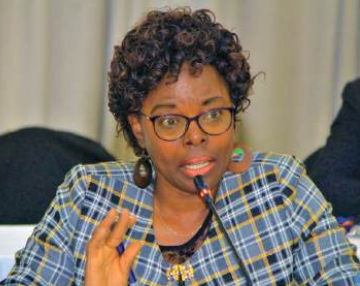
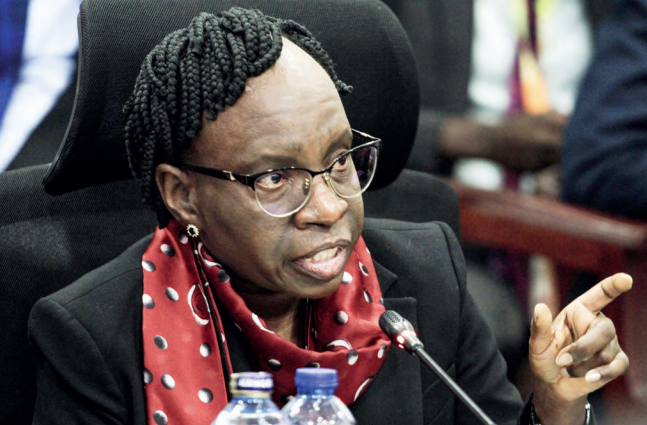
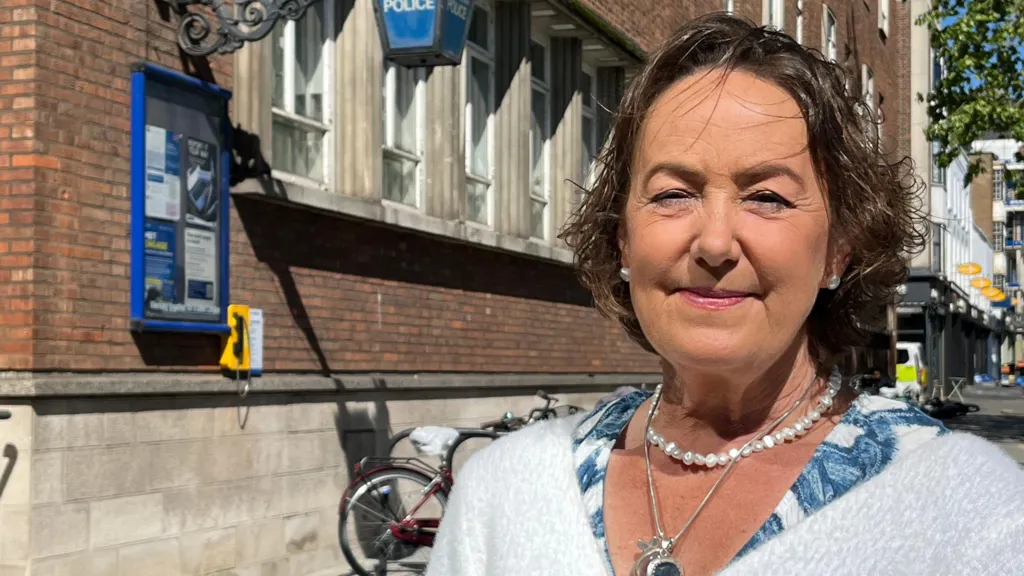
Controller of
Budget Margaret Nyakang’o has raised concerns over persistent delays in the
release of funds meant to spur development in marginalised counties.
In her latest
report on utilisation of Equalization Fund money, she warned that marginalised
counties are being starved of billions of shillings meant to finance critical
development projects.
The report
reveals that more than Sh10 billion budgeted by counties under the second
marginalisation policy remains undisbursed.
She said
the delays are threatening to stall projects aimed at improving
access to basic services in some of the country’s poorest regions.
The report
shows that 10 counties are the worst affected by the delays—Turkana, West
Pokot, Wajir, Narok, Samburu, Mandera, Kilifi, Garissa, Baringo and Marsabit.
This is
despite having set aside substantial budgets for projects under the programme.
The counties
also budgeted Sh24 million to support operations of the Equalisation Fund
secretariat.
According to
the breakdown, Turkana budgeted Sh1.14 billion, West Pokot Sh1 billion, Narok
Sh771.6 million, Wajir Sh730.16 million, Mandera Sh753.4 million, Samburu
Sh649.6 million, Garissa Sh630.9 million, Baringo Sh595 million, Kilifi Sh539.9
million, and Marsabit Sh469.6 million.
However, the fund’s account held only Sh338.3 million in cash
available for use by the 34 counties currently covered under the programme as
at September 30, 2025.
The amount
represents a balance brought forward from the financial year ended June 30,
2025, and was meant for the implementation of projects under the first
marginalisation policy.
The CoB report
shows that Nyakang’o approved the withdrawal of just Sh48 million for
development projects in Samburu county—only
about seven per cent of the Sh649.68 million the county had budgeted for.
The approval
formed part of three requests totalling Sh116.16 million sanctioned for
withdrawal from the fund.
The remaining
Sh68.15 million was approved to settle pending bills for development projects
implemented under the Ministry of Water and Sanitation during the first policy
phase.
The report
casts fresh light on long-standing disbursement challenges, noting that the
national government is yet to release at least Sh48 billion owed to the fund.
So far, only
Sh12.4 billion has been released under the first phase of the programme,
leaving many multi-billion-shilling projects in limbo.
The slow
release of funds has undermined the implementation of projects meant to uplift
historically marginalised areas, significantly hampering the attainment of the
Fund’s objectives.
Since its
inception in 2013, marginalised areas have been entitled to about Sh64 billion,
but only Sh13.6 billion has been disbursed by the Exchequer, according to the
CoB.
In 2024, National
Treasury Cabinet Secretary John Mbadi pledged to clear the arrears, but the
latest report shows the situation remains dire.
Elgeyo
Marakwet Senator William Kisang’ warned that Parliament would move to summon
the National Treasury and the Commission on Revenue Allocation over the delays.
“We will have
to summon both the Treasury and CRA over this issue. Otherwise, 20 years will
lapse and the beneficiary counties will have nothing to show and will continue
being marginalised,” Kisang’ said.
Council of
Governors chairperson Ahmed Abdullahi said several projects under the first
policy in 14 counties have either stalled or are yet to be handed over due to
massive pending bills.
The Wajir
governor said some contractors have withheld completion of projects after
failing to receive payments from the National Treasury.
In 2024, the
national government committed to releasing at least Sh40 billion owed to
marginalised counties under the Equalisation Fund following a resolution by the
Intergovernmental Budget and Economic Council.
The resolution
provided that the National Treasury would release the arrears in tranches of
Sh10 billion annually.
“IBEC resolves
that the National Treasury commits to disburse approximately Sh10 billion
annually of the arrears owed to counties in terms of the Equalisation Fund
beginning the financial year ending June 30, 2025,” the then Deputy President
Rigathi Gachagua said.