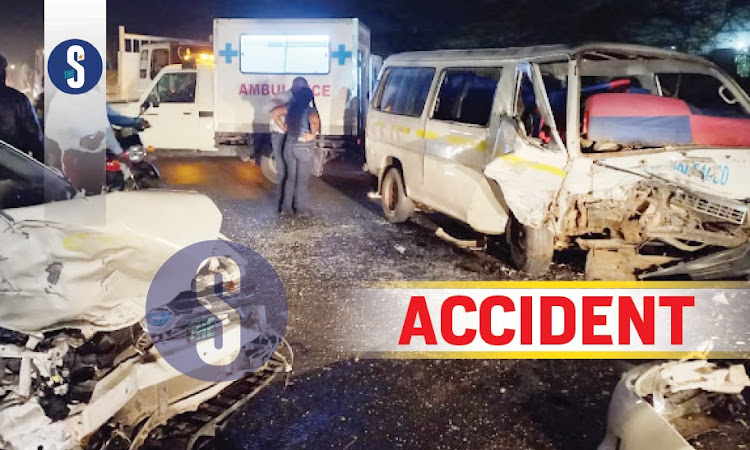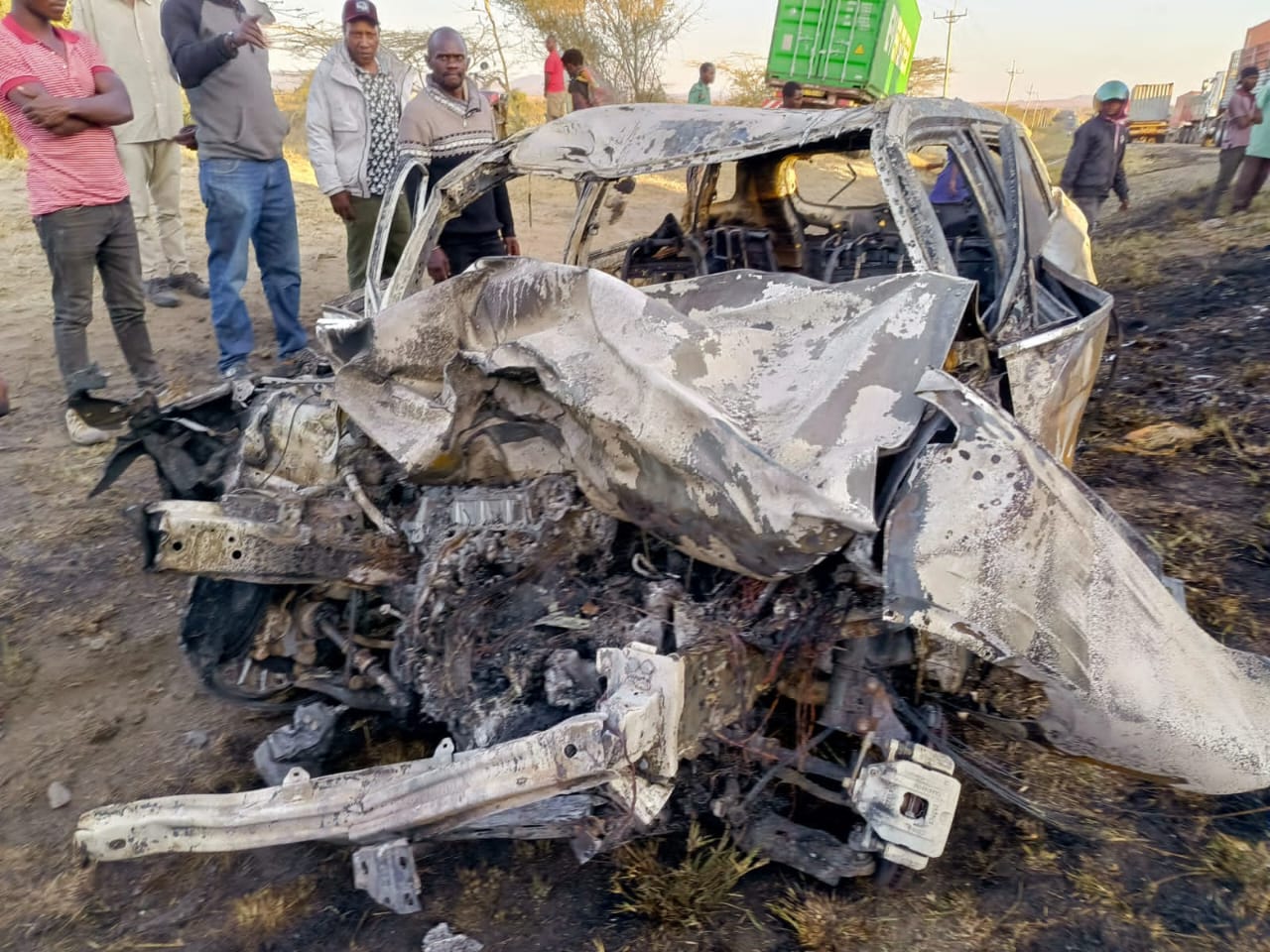
 An accident scene, the Star illustrations
This is including free wheeling which it said contributes
to loss of control and increased road risk.
The caution comes amid intensified
road safety crackdowns nationwide as authorities work to reduce the number of
crashes and fatalities.
What is
Free Wheeling?
Free wheeling, also known as
coasting, is a driving practice where a driver disengages the engine from the
wheels, typically by shifting to neutral
gear or depressing the clutch, so that the vehicle moves forward without
engine power or engine braking.
While some drivers believe this may
save fuel, driving authorities and safety experts say it can seriously
compromise vehicle control and increase the risk of accidents.
According to the Kenya Learner Driver Handbook, free
wheeling is risky because “the engine
is not engaged”, which reduces a driver’s ability to brake with engine
support and to accelerate quickly in an emergency.
The handbook notes that this
practice can also increase pressure on the brake system and does not
significantly save fuel.
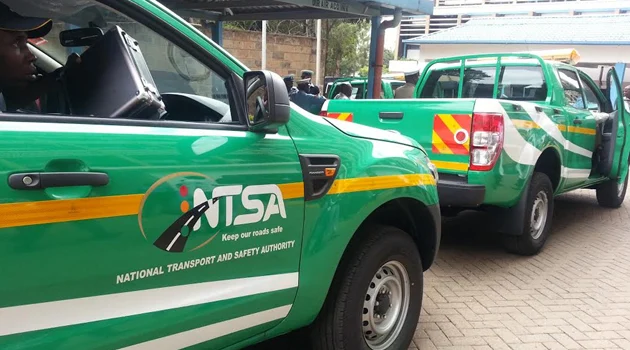
NTSA’s road
safety messaging
In a road safety campaign launch in
Nakuru County, NTSA officials highlighted free-wheeling as a dangerous driving
behaviour observed among some motorists, particularly on steep descents.
NTSA Nakuru Regional Manager John
Parteroi noted that drivers “often engage in speeding, reckless overtaking, or
free-wheeling, a dangerous practice where drivers disengage the gear to save
fuel while descending steep slopes.”
He added that such reckless
behaviour “endangers lives and would not be tolerated.”
He said the campaign aims to promote
safer driving and reduce accidents.
Police and transport safety agencies
have previously noted that engaging neutral gear on steep slopes can lead to
loss of vehicle control, and local investigators have in the past suggested
that free-wheeling may have been involved in certain crashes.
Why Free
Wheeling is dangerous
Experts highlight several key risks
associated with free wheeling:
• Loss of engine braking: With the engine disengaged, drivers lose
the natural slowing power of the engine that helps control vehicle speed on
hills and in heavy traffic.
• Reduced control and stability: Without gear engagement, vehicles
are harder to manage through corners, on uneven surfaces, and in emergencies,
which increases the likelihood of skidding or losing control.
• Delayed reaction in emergencies: Free wheeling prevents quick
acceleration when needed to avoid obstacles or hazards, potentially costing
valuable reaction time in critical moments.
• Brake strain: Because the engine does not assist in slowing the
car, brakes must work harder, increasing wear and the risk of brake failure,
especially on long descents.
NTSA’s
broader safety push
NTSA’s warning on free wheeling fits
into a wider safety campaign ahead of the busy festive and school reopening travel seasons.
In recent weeks, the authority has
intensified nationwide road checks and joint operations with the police to
enforce compliance with traffic laws, including sobriety tests, vehicle
inspections and speeding enforcement.
The government has rolled out a
nationwide traffic crackdown as part of enhanced security measures during the
festive season, aimed at reducing road accidents and curbing corruption on
major highways.
Earlier in the week, Interior
Cabinet Secretary Kipchumba Murkomen said NTSA, working with the Traffic Police
Department, has launched a coordinated operation targeting high-risk road
corridors and major urban routes.
The operation is being implemented
in line with resolutions of the National Council on the Administration of
Justice and includes the deployment of officers from the Ethics and Anti-Corruption
Commission to monitor enforcement and deter bribery.
Murkomen
said the measures will involve joint multi-agency enforcement, increased police
visibility and the use of both physical and electronic deterrence tools, with
mobile courts to be deployed where necessary to ensure instant prosecution of
offenders.
What
drivers should do
Safety authorities recommend that
motorists keep vehicles in gear, maintain proper speed, and avoid practices
like free wheeling that reduce control.
Progressive braking, using engine
braking in conjunction with foot braking, and staying in gear ensure better
stability and quicker acceleration options when needed.
As Kenya continues efforts to lower road accident figures, which have remained high in 2025, awareness and adherence to safe driving practices, including avoiding dangerous techniques like free wheeling, remain central to the NTSA’s message to all road users.