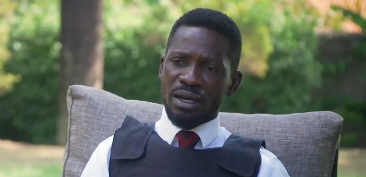
Ugandan opposition leader Bobi Wine has warned that the country’s forthcoming elections are likely to be violent, rather than a peaceful democratic contest, citing what he described as repeated targeting of him and his supporters by security agencies.
Speaking to CNN, the National Unity Platform (NUP) leader said several people had been killed or injured during his campaign activities, and claimed that he himself was a key target.
He attributed the alleged crackdown to what he characterised as growing fear within the government over declining public support.
“Some people have been shot dead at my rallies; they have me as the main target,” Bobi Wine claimed.
“It is fear that the government knows they have no support.”
He further alleged that campaigning had become dangerous, claiming that violence often accompanied his public appearances.
Bobi Wine also disputed the credibility of Uganda’s 2021 presidential election, stating that he did not believe the process met democratic standards.
“If 2021 was a free election, I would be President already,” he said, describing the electoral environment as hostile to opposition participation.
Journalists covering opposition rallies have also reported challenges, including incidents in which reporters were teargassed while on assignment.
Media freedom groups have previously raised concerns about the safety of journalists during political events in Uganda.
Previous elections in Uganda have been accompanied by allegations from opposition groups and civil society organisations of intimidation, arrests of opposition figures, and restrictions on political and media freedoms.
The government has repeatedly denied wrongdoing, maintaining that security measures are necessary to maintain public order.
In October, two Kenyan human rights activists went missing for several weeks after reportedly being abducted by armed men while attending a campaign-related event linked to Bobi Wine.
They were later released.
President Museveni later acknowledged that the two had been arrested, describing them as “experts in riots” and saying they had been detained for several days.
Ugandan security agencies have also faced long-standing allegations from rights organisations of detaining opposition supporters in plain clothes.
Some of those detained have later appeared in court facing criminal charges. Authorities have maintained that arrests are conducted lawfully.
Last year, opposition figure Kizza Besigye disappeared while in Nairobi before reappearing four days later in a Ugandan military court. He remains in custody facing treason charges, which he has denied.
The government has defended the legal process.
On December 4, United Nations High Commissioner for Human Rights Volker Türk expressed concern over what he described as an escalating crackdown on opposition groups and the media ahead of Uganda’s next general election.
Türk urged Ugandan authorities to uphold human rights before, during, and after the polls, pointing to what he called a troubling pattern of repression.
“It is deeply regrettable that election campaigns have once again been marked by widespread arbitrary arrests, detentions and the use of unnecessary or disproportionate force against the opposition, as well as undue restriction of press freedom,” Türk said.
He called on authorities to end such practices to allow Ugandans to “fully and peacefully exercise their right to participate in their country’s public affairs” during and after the election period.