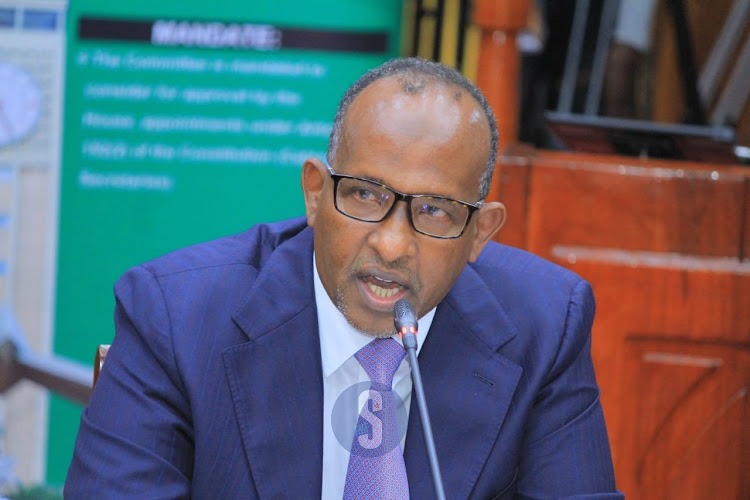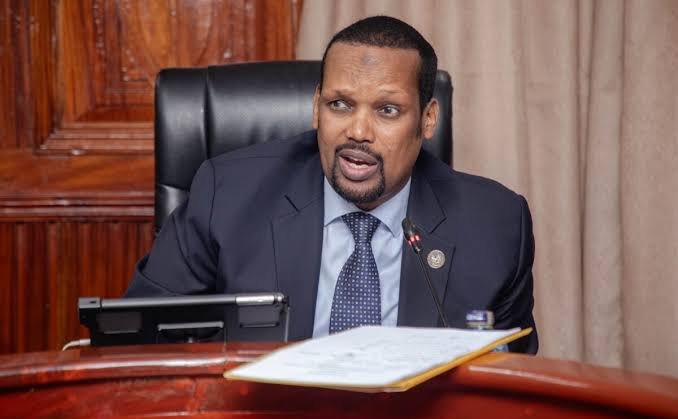
 Mombasa Governor Abdulswamad Shariff Nassir speaking during Jamhuri Day celebrations at Changamwe Grounds on Friday, December 12, 2025. /SCREENGRAB
Mombasa Governor Abdulswamad Shariff Nassir has strongly defended the Kenya–United States Health Cooperation Framework, warning that continued opposition and litigation risk undermining critical programmes that support millions of Kenyans and sustain thousands of health sector jobs.
Speaking during Jamhuri Day celebrations at Changamwe Grounds on Friday, the governor, who chairs the Council of Governors (CoG) Committee on Health, said structured and transparent international partnerships are central to strengthening Kenya’s health system, reinforcing disease surveillance, expanding the health workforce and accelerating progress toward Universal Health Coverage (UHC).
He said the Kenya–US Framework builds on long-standing cooperation that has supported priority health interventions across both national and county levels, particularly in areas such as HIV care, drug dependency programmes, communicable disease control and primary healthcare.
While explaining the rationale behind the pact, Governor Nassir issued a detailed defence of the agreement and its expected impact.
“We are still drafting this programme, but there are three main agendas. First, there was the USAID, which had ongoing programmes, and we don't want to stall and go back to square one. Things such as HIV, drug abuse and communicable diseases,” he said.
He noted that the cooperation carries major employment and financing implications.
“Secondly, this programme had already employed over 20,000 people. It will start officially in 2027 and run for five years. Now, some people have moved to court, yet it's not like the programme is utilising loans, it's free.”
Nassir criticised those who have challenged the Framework, arguing that such actions risk derailing a grant-based investment worth billions.
“I urge those people who pretend that they care for this country more than anyone else, not to take us back. It takes a lot for a country to be able to develop diplomatic relations with another country.
"It takes a lot for another country to be able to be entrusted to deliver, and the amount of money that we are talking about is in the region of $1.6 billion.”
The governor warned that persistent resistance could jeopardise frontline health services.
“I tell Kenyans, brace yourselves for tighter times because we are our own enemies. This notion of opposing everything that we do, how will you benefit if community health promoters are not paid?
"How will you benefit if the youth are not employed? How will you benefit if there is an increase in disease outbreaks in the country? There is no shilling spent that's coming from us, we will deal with you.”
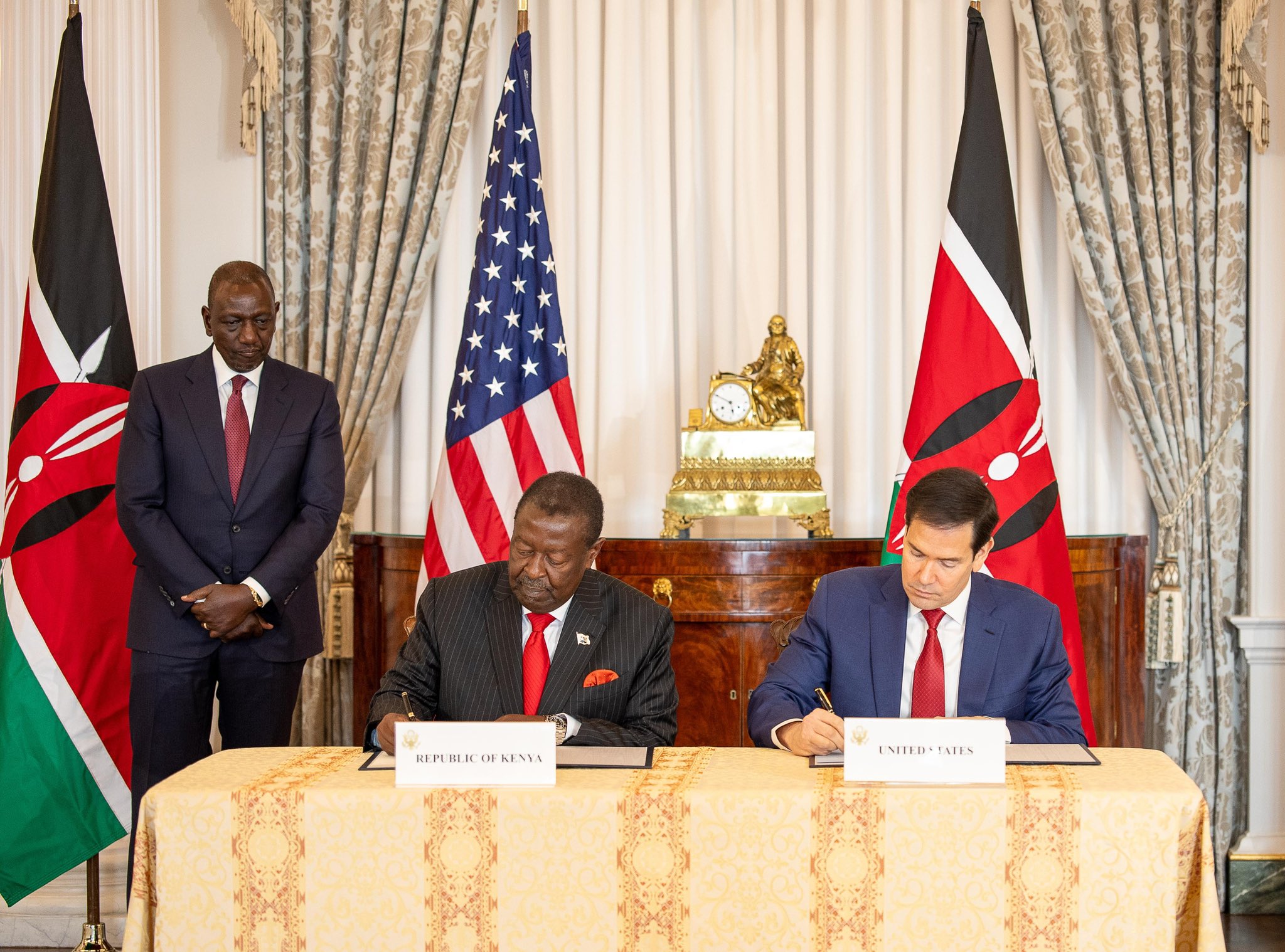
Kenya became the first country to enter such an arrangement following the December 4 signing.
The government has reassured Kenyans that the Health Cooperation Framework and Data Sharing Agreement will not compromise the country’s sovereignty or expose citizens’ personal information.
In a statement released on Friday, Health Cabinet Secretary Aden Duale said the partnership was crafted to “secure immense benefits for the Kenyan people”.
He added that the Framework was developed with “strict adherence to due process” and maintains full protection of Kenya’s data ownership and intellectual property, insisting that fears of mass data transfer to the US are misplaced.
“This is explicitly codified in Article 5(g) of the Data Sharing Agreement, which states that the framework does not constitute an international agreement under international law,” he said.
However, the High Court on Thursday issued conservatory orders suspending aspects of the agreement after the Consumer Federation of Kenya (Cofek) raised concerns about data privacy.
The interim orders issued by Justice Bahati Mwamuye specifically halted implementation of the component dealing with medical, epidemiological and sensitive personal health data, and barred Kenyan authorities from taking any steps to operationalise that part of the pact pending further directions.
Governor Nassir said county governments respect the ruling and support ongoing engagement to ensure all health cooperation complies with the Constitution and Kenya’s data protection laws, while preserving the benefits of international partnerships.