

The Independent Medico-Legal Unit (IMLU) has raised concerns over what it describes as an escalation of human rights violations in Kenya throughout 2025.
The warning coincides with International Human Rights Day, with IMLU providing a detailed review of state conduct, civic space, and accountability.
In a statement on Wednesday, the organisation said evidence gathered through medico-legal documentation, forensic investigations, survivor testimonies, and national monitoring indicates a deterioration in constitutional protections and civic freedoms.
IMLU said this trend contrasts with this year’s global theme, “Our Everyday Essentials,” which highlights dignity, equality, freedom, and justice.
"Kenya’s human rights landscape today contradicts the very essence of everyday essentials. On this International Human Rights Day, we reflect on these challenges while celebrating efforts to document and address them,” the statement read.
According to IMLU, documented cases in 2025 include 97 extrajudicial executions, 18 deaths in custody, 72 instances of torture or ill-treatment, 49 hospital-documented protest injuries, 16 arbitrary arrests, and five enforced disappearances.
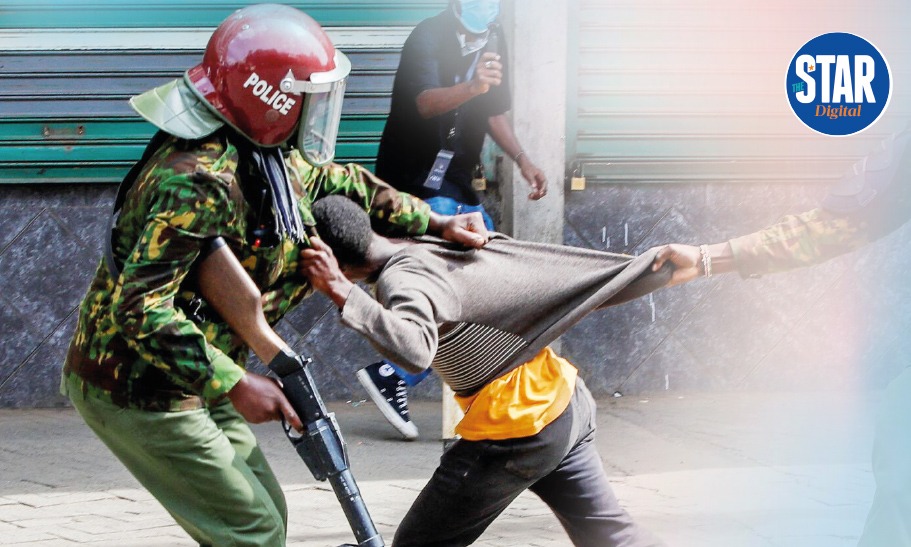
The organisation noted that forensic reports point to close-range shootings, injuries from behind, and other indicators of potentially unlawful policing practices.
IMLU highlighted the use of both lethal and non-lethal force during peaceful demonstrations on June 9, June 25, and Saba Saba, expressing concern about the criminalisation of protest.
It added that some youth were charged under anti-terror laws in ways the organisation believes may undermine constitutional rights.
The report also flagged concerns over transnational repression, citing cross-border abductions and forced deportations of activists.
Specific cases referenced include Tanzanian activist Maria Sarungi, Ugandan activist Martin Mavenjina, and Kenyan activists Bob Njagi, Boniface Mwangi, and Nicholas Oyoo.
Restrictions on media were also noted, including internet throttling, newsroom disruptions, and arrests of journalists.
IMLU acknowledged some positive developments, including a High Court ruling by Justice Edward Mureithi, which affirmed that the President lacks legal authority to appoint a panel of compensation experts.
The organisation said the judgment reinforces the independence of constitutional oversight bodies and commended civil society for its vigilance in safeguarding democratic norms.
The organisation issued a series of recommendations urging the government to strengthen the investigative powers of the Independent Policing Oversight Authority, safeguard constitutional rights, avoid misuse of anti-terror laws, prosecute perpetrators of human rights violations, protect the autonomy of the Kenya National Commission on Human Rights and IPOA, halt cross-border abductions, operationalise the National Coroners Service Act, criminalise enforced disappearances, and ratify the Optional Protocol to the Convention Against Torture.
“Kenya stands at a critical juncture. The documented violations indicate a concerning trend that requires attention. As the world marks International Human Rights Day, we reaffirm that human rights are central to dignity, accountability, and constitutionalism,” IMLU said.
The organisation also praised Kenyan youth for driving calls for accountability and lauded media, lawyers, medics, pathologists, psychologists, and monitors for their roles in preserving evidence and supporting survivors.